 I have a good lawn for deer and rabbits, full – if only accidentally – of diverse edible weeds. Looking out over it, especially when Charlie has just mowed, the lawn looks smooth and manicured. Appearances frequently deceive. For instance, this photo might look like a nuclear deer family, two fawns, a buck, and a doe. But four other the deer had already gone ahead into the woods before I got my camera out. The buck would have been bringing up the rear as usual, except that the fawns were lollygagging behind. But as soon as I made a tiny sound of satisfaction at getting this photo, their heads snapped up and the fawns leaped after the does, while Mr. Buck stood guard in case I made any moves. I didn’t. I was trying to see whether he was an eight point or a ten point, but he was gone before I could be sure.
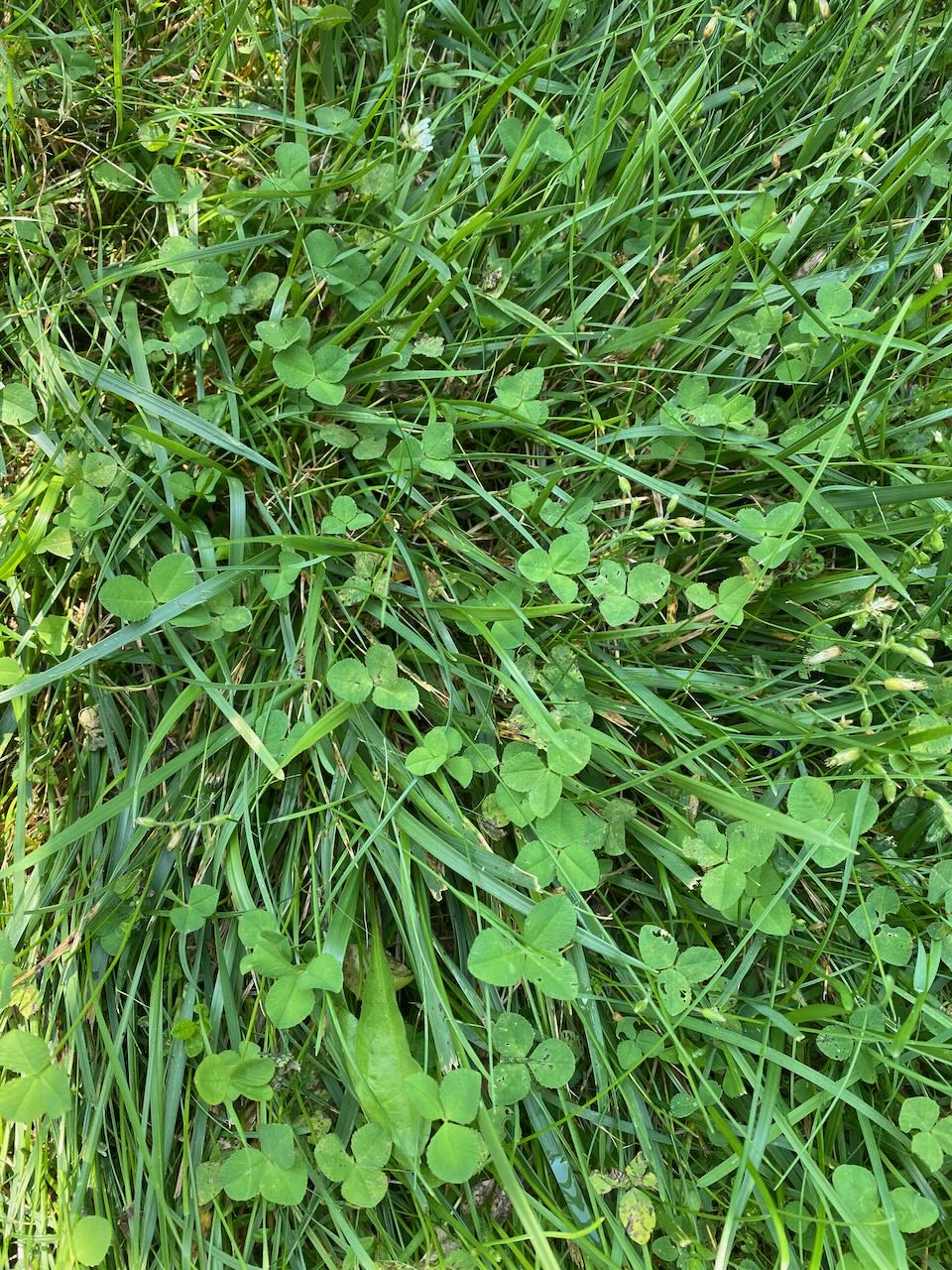 My lawn has a lot of white clover in it, which some consider a weed but I do not. In my suburban childhood it was common for lawns to be seeded with half grass and half clover. Clover is sturdy, holding up well to children and pets; clover fixes nitrogen so you don’t need fertilizer; and clover flowers attract bees, which will pollinate your garden plants and fruit trees. Charlie was late mowing this week, because we had two days of Hurricane Beryl’s leftovers drenching Michigan with rain. Amazing that a hurricane came all the way from Africa to crash into Texas and charge up the Mississippi and Ohio River valleys to the normally hurricane-free Michigan. Many were the frantic sump pumps in Ann Arbor, but the sandy soil of my yard was up to the task. When it was over, everything was safe and green, green, green.
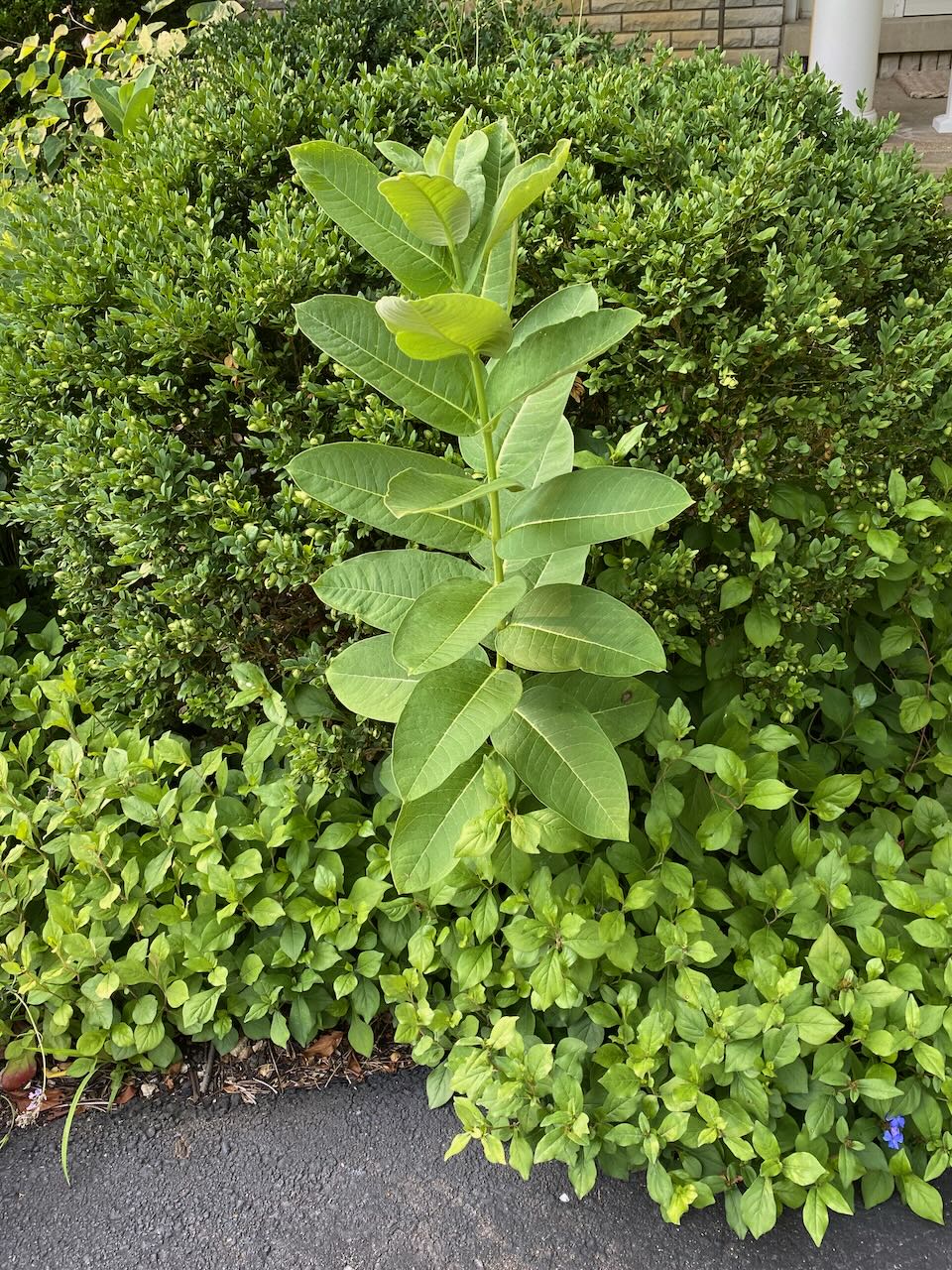 Besides the clover, there’s plantain in the lawn and purslane at the margins. Plantain, native to Europe, was called “white man’s footprint” by Native Americans: where the white man set his foot was where you found plantain. It’s not only edible to deer, it’s edible to us. Purslane is, too. My attempts to actually eat these plants have never worked out. Purslane leaves are small and have to be gathered in large quantities, and I found plantain, which grows flat against the ground, hard to clean. I magnanimously leave them for the deer, in spite of which they persist in eating things they really, really shouldn’t. For instance, milkweed. Milkweed is poisonous, but if you are a clueless fawn, well, just look at those big, juicy leaves. I assume it’s the fawns because I assume they don’t grow up if they eat the milkweed.
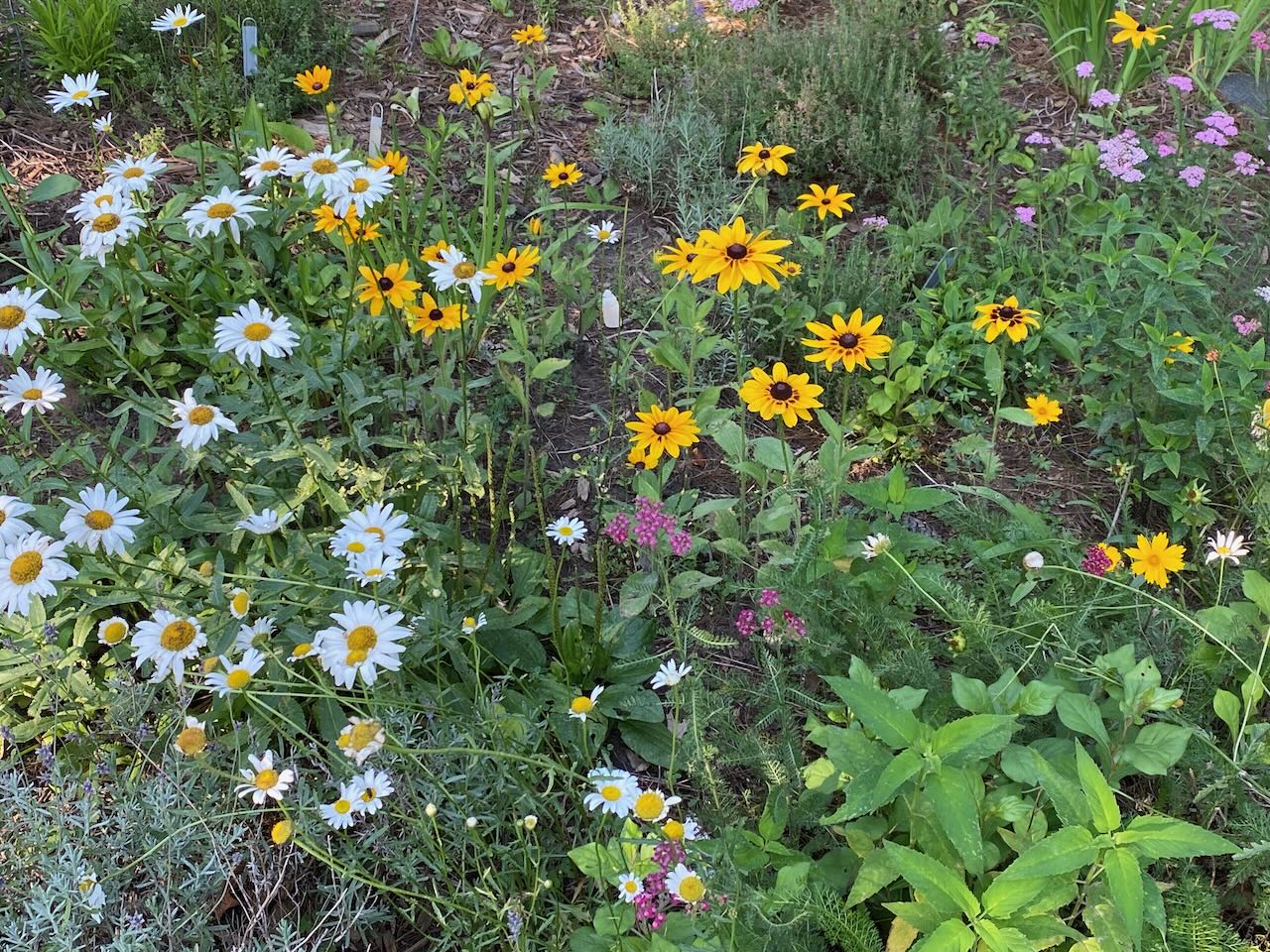 Deer sometimes also eat my rudbeckia, yarrow, and shasta daisies. Garden catalogs will tell you they shun these plants, but garden catalogs have never met my deer. Every evening or two, I walk through the yard with my trusty spray bottles of animal repellants, switching off now and then so the critters don’t get used to one of them. I almost dread to say so, for fear it will jinx their effectiveness.
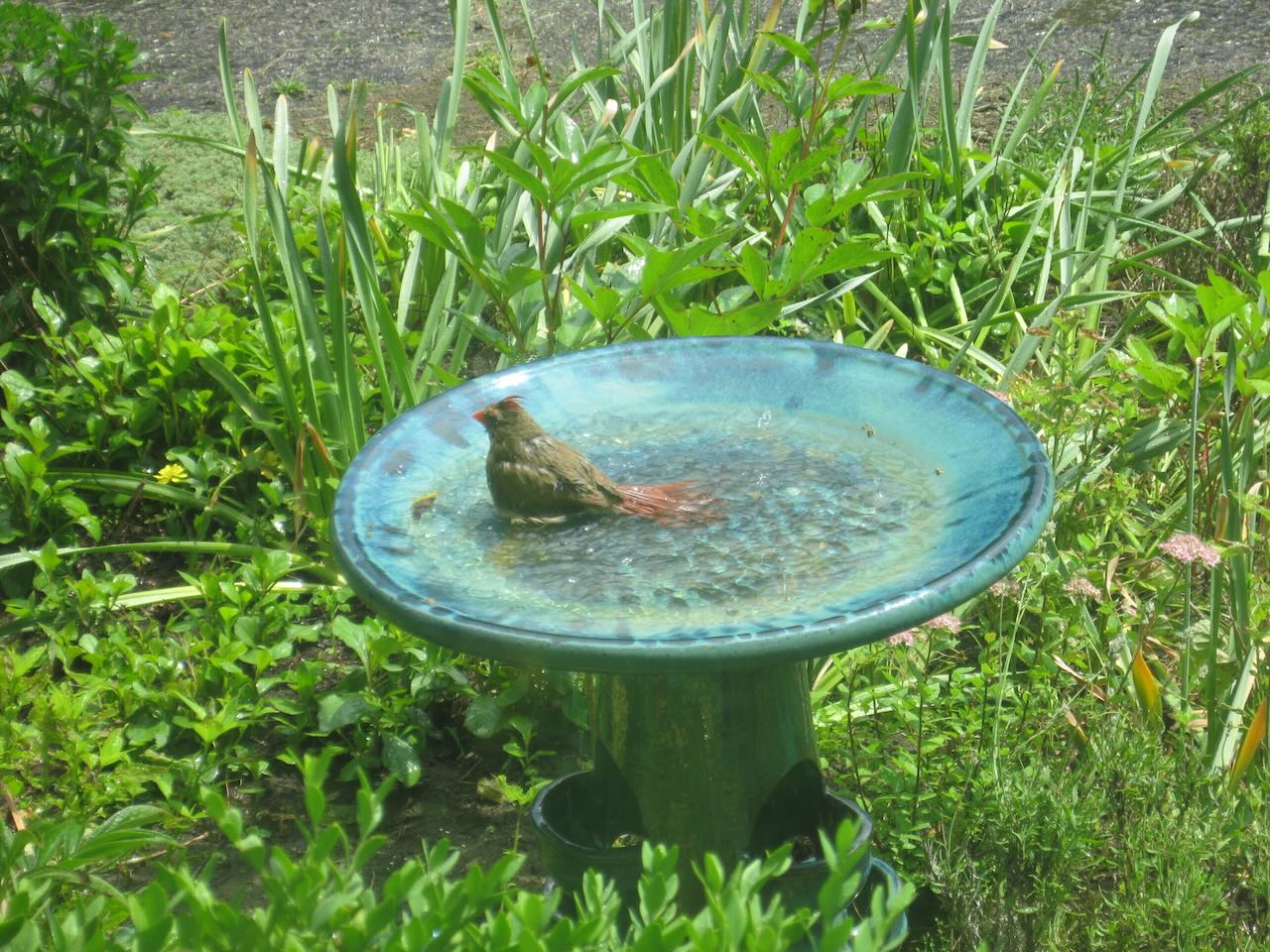 The amount of rain in that storm varied a lot from one part of town to the next. I don’t currently have a working rain gauge, but friends and neighbors have measured anywhere from five to seven inches over two days. One curious thing I’ve noticed is more birds using the birdbath after a rainstorm. This seems totally counter-intuitive to me. Didn’t they shower in the rain? Is it easier to bathe when they’re already wet? Or maybe newly-fallen rain is more attractive to them than water that’s been sitting around for a few days. Not being a bird, I will never know.
 Robin Richstone
I loved this month. You keep me
LikeLike