Weather and Heat

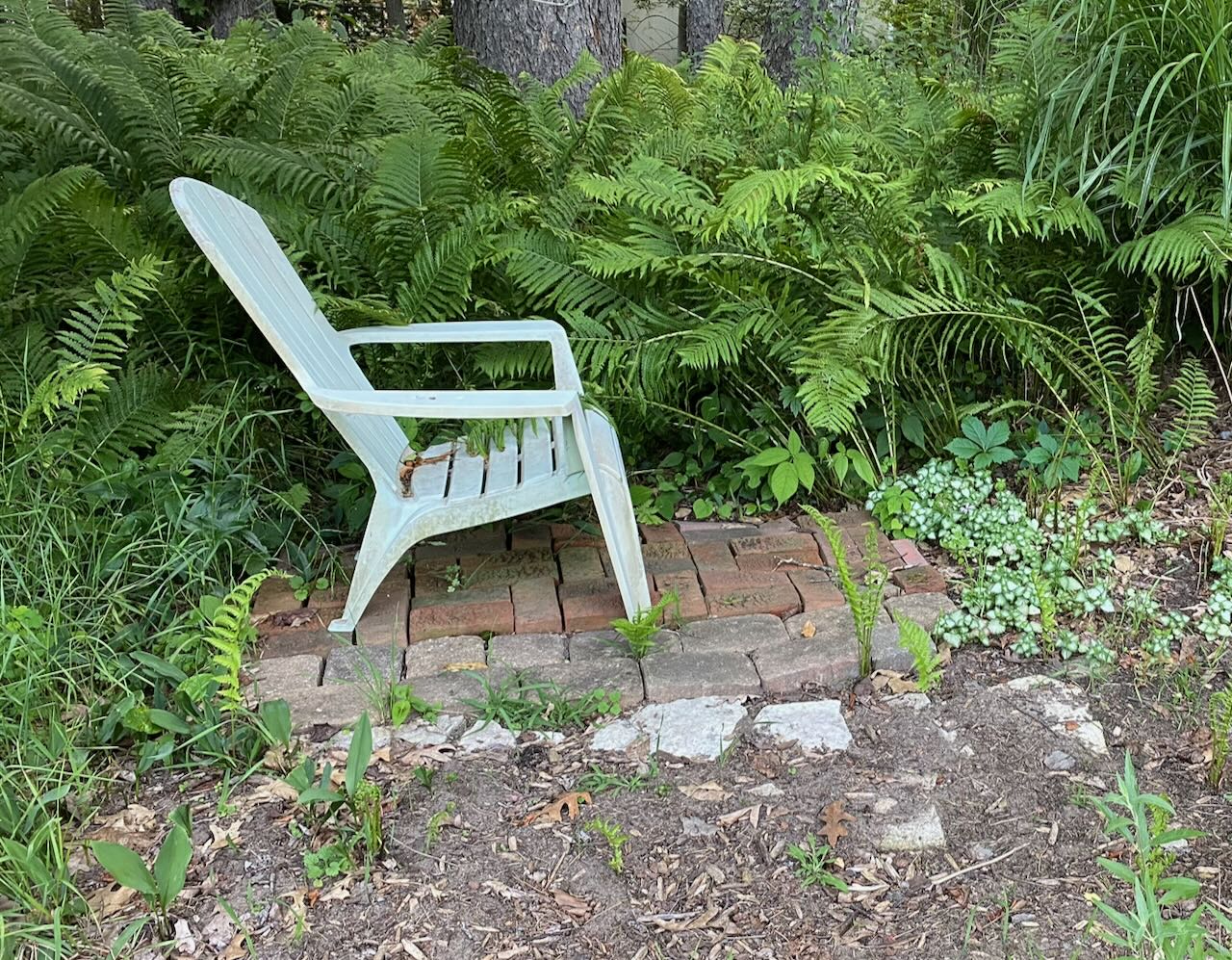
July weather has arrived, and Doug and I are having our usual disagreement about it. Eighty degrees is hot, he says, a typical Michigander view. Eighty degrees isn’t even warm enough for a sleeveless dress I say, a Southern Californian. Dry California heat is different from humid Michigan heat, he tells me. Yes, I say, but I’m sitting right next to you here in humid Michigan and I say it’s not hot. Then I go sit in a shady spot under a tree among the ferns, and he misses out, though he doesn’t consider that he’s missing anything. And I do worry that if I sit there too long the ferns will engulf me – look at them trying, inching up between the bricks, swamping even the lilies of the valley. 
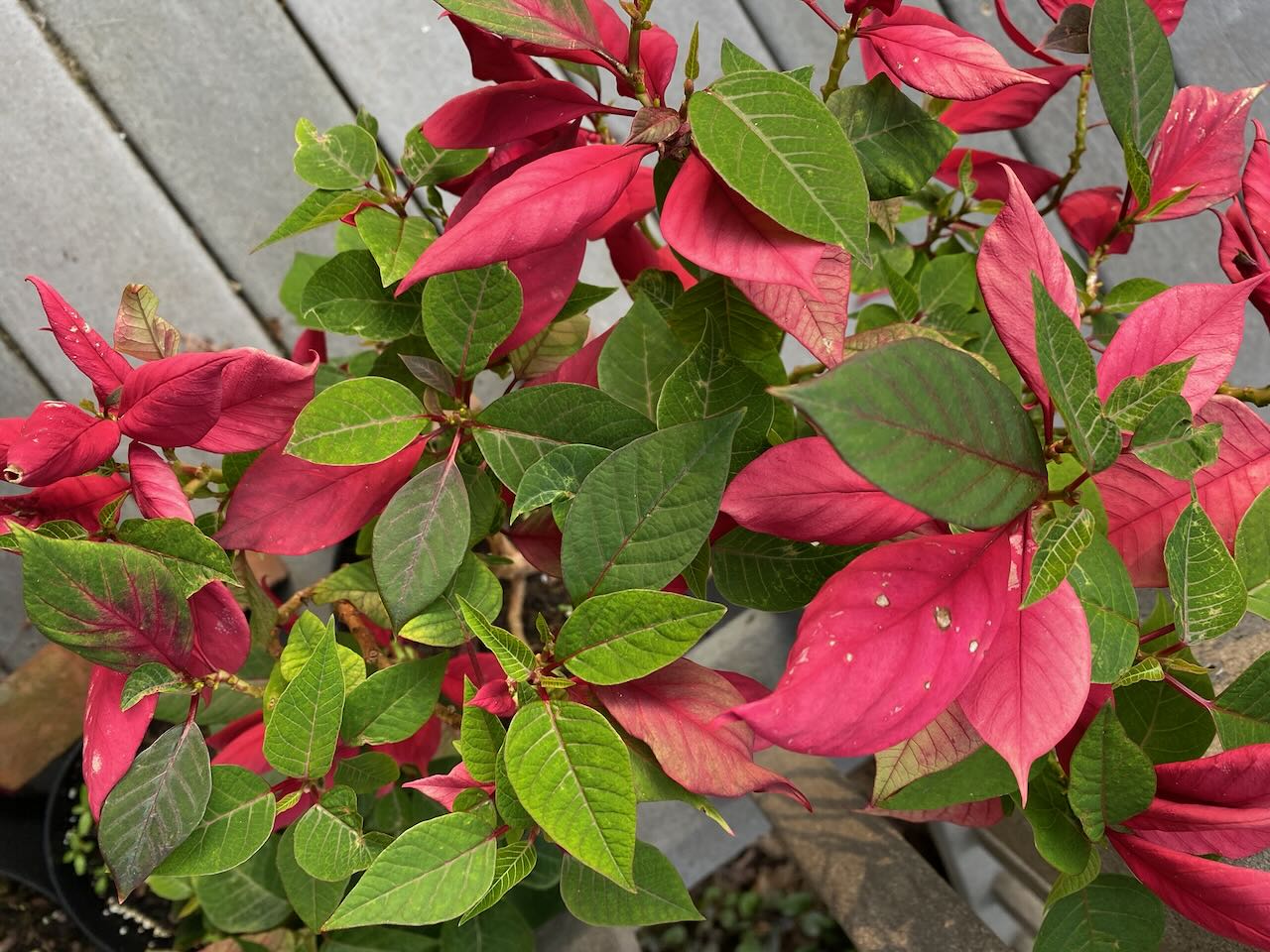
The poinsettias, like me, enjoy coming outdoors for the summer. They had grown so thin and weepy indoors, this vacation was just what they needed, pulling a new green summer wardrobe over their heads; summer camp for Christmas plants. But I know I can rely on them. Indoor winter light will turn them red again when the time comes.

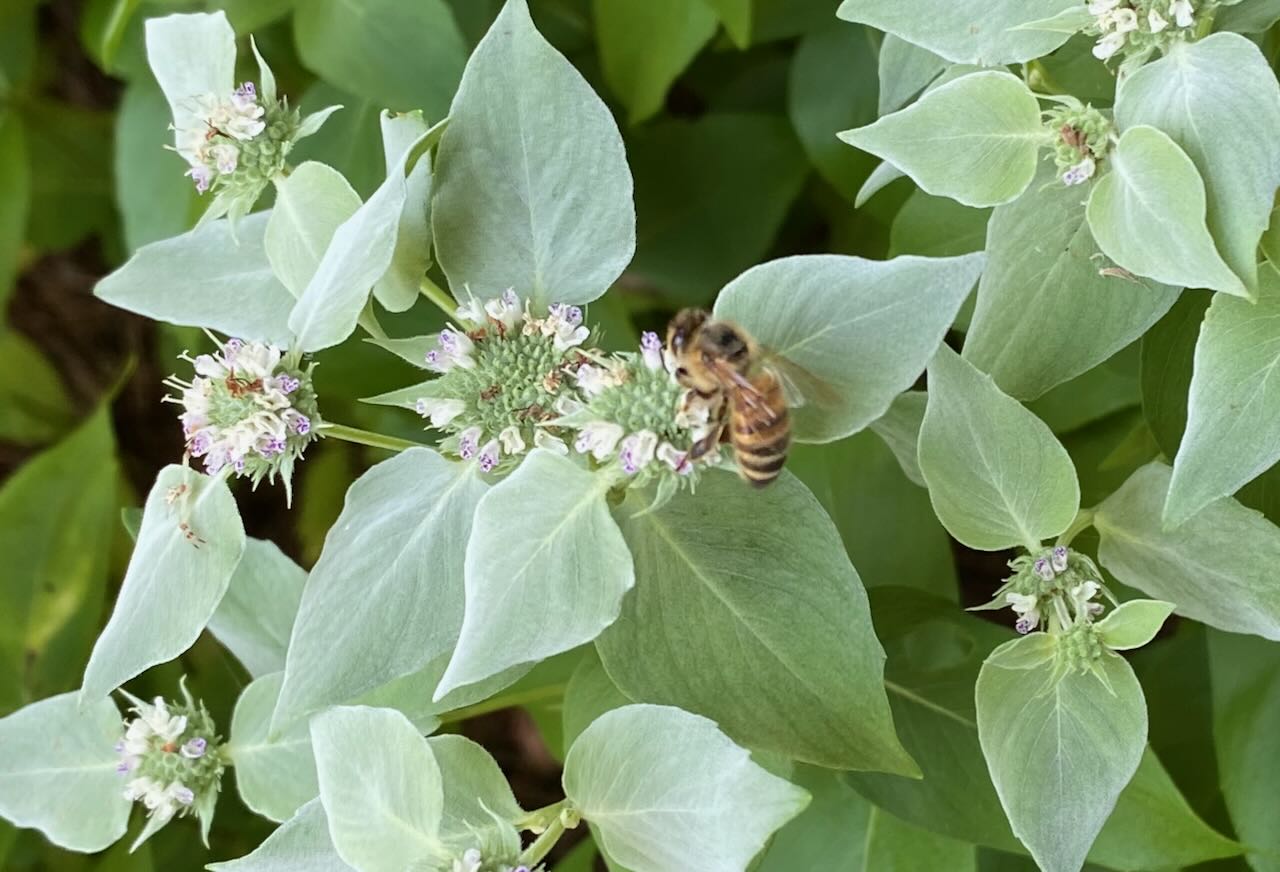
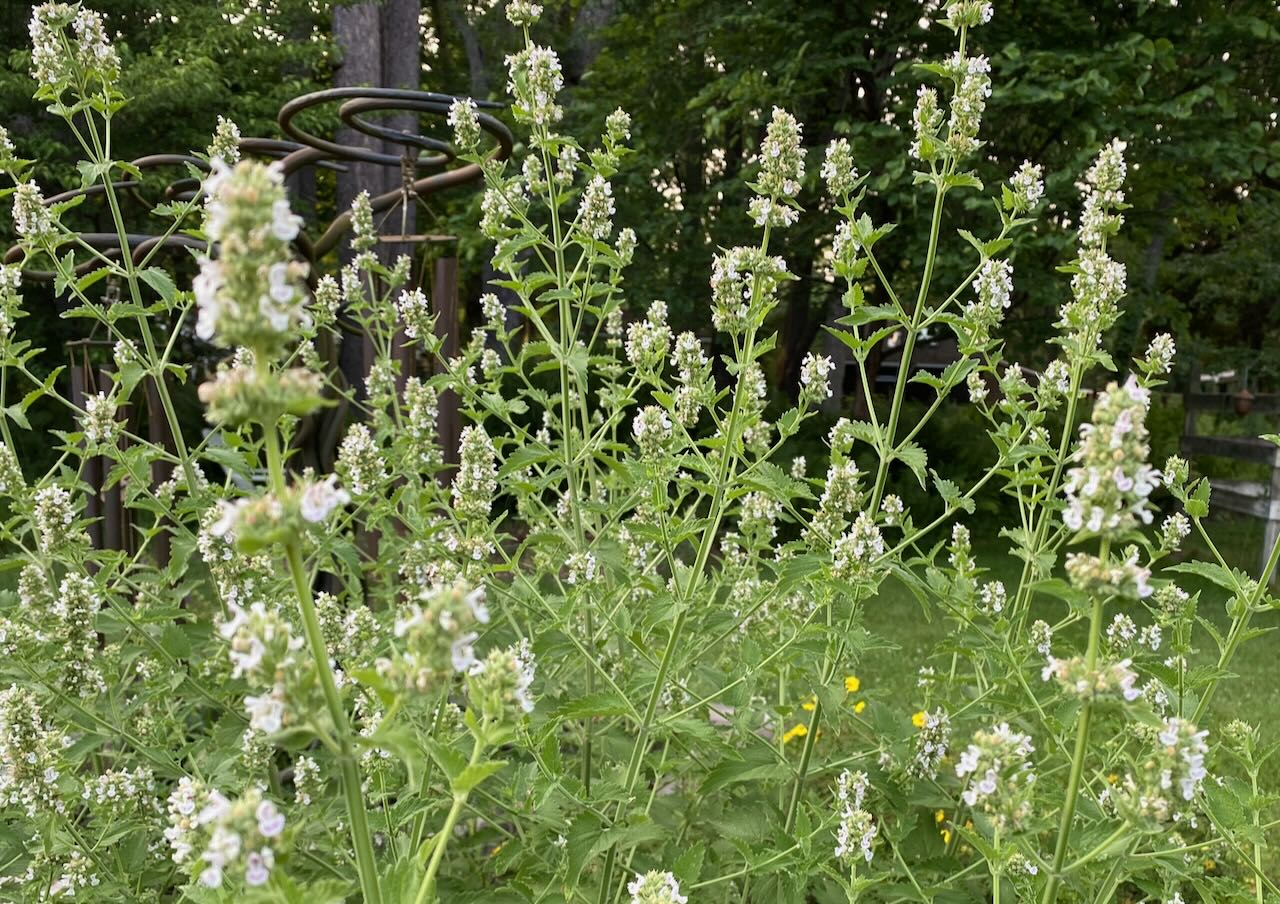
In a Michigan summer it doesn’t get dark till after nine at night. There’s plenty of light to grow things like this gigantic swath of burgeoning shrubbery, four feet high and about as wide. One search engine thinks it’s catnip and one thinks it’s lemon balm, but I didn’t plant either of them so, whatever else, it’s definitely a volunteer. I brought some in and Frassy rejected it as catnip, but she’s picky about her treats.

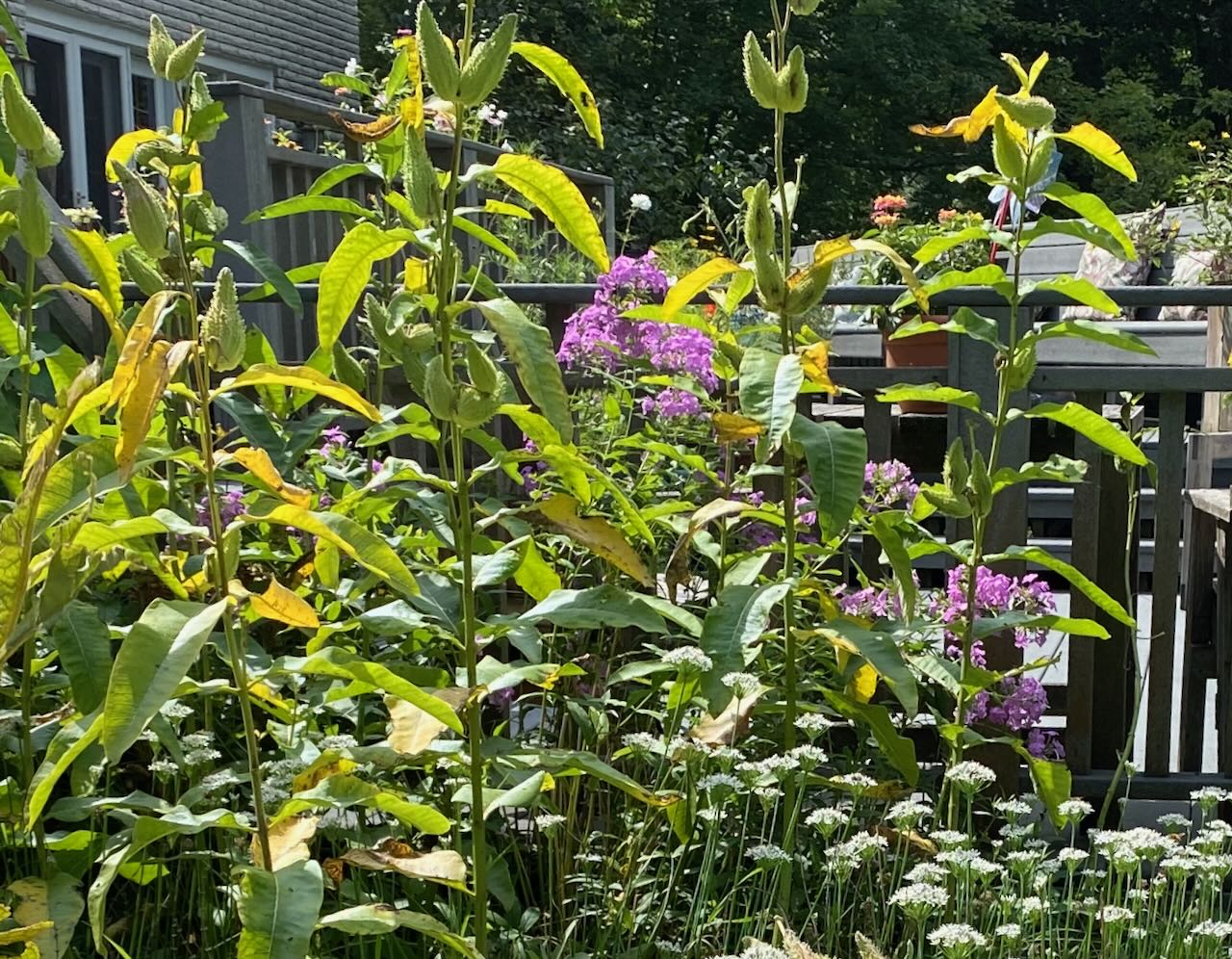
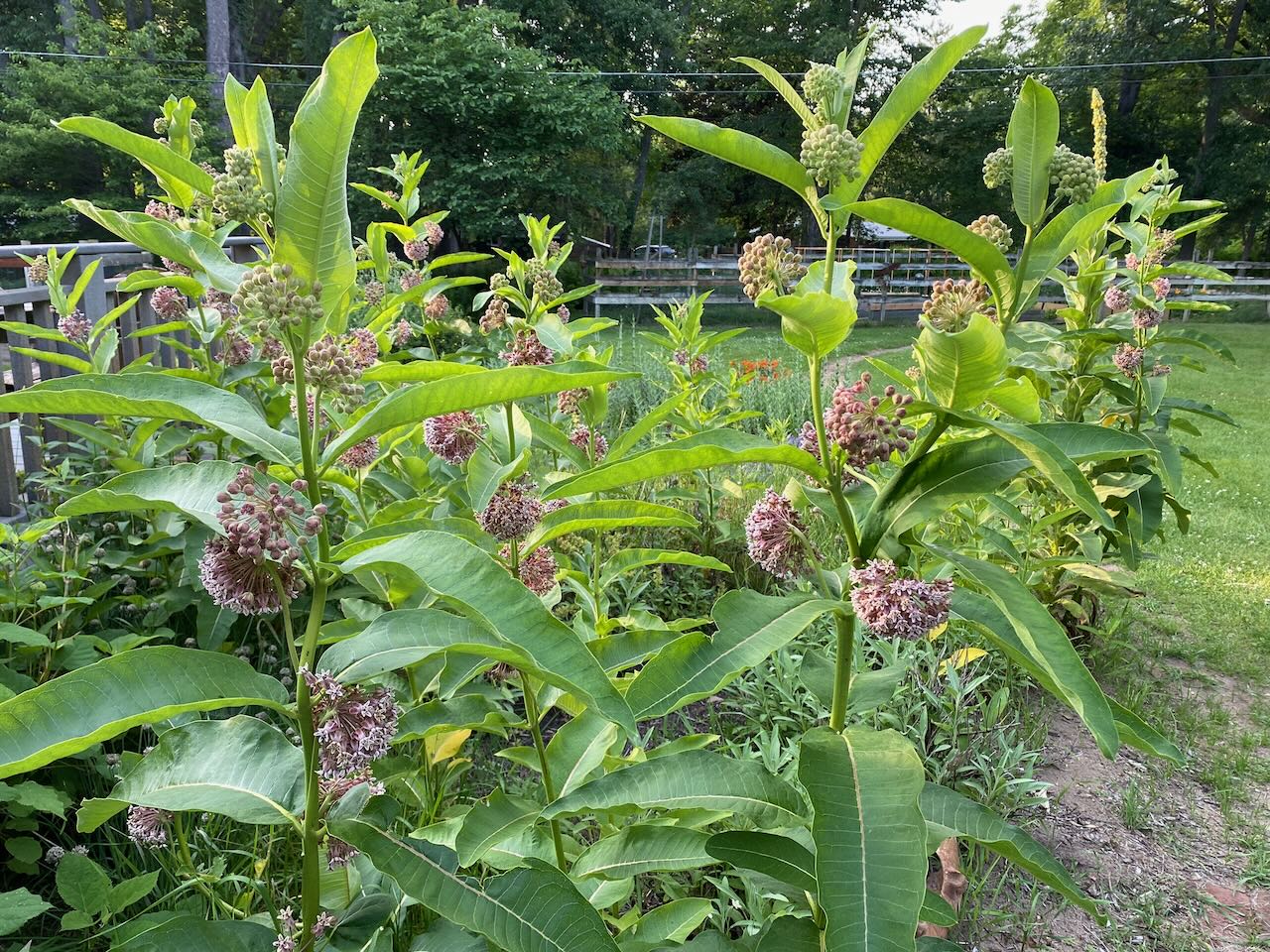
Last year’s milkweed was from deliberate seeds, but this year they have added to their number on their own account. They look ready for entire flocks of monarchs, but as yet I’ve seen only two dancing attendance on them. Is it too hot for butterflies? Milkweed is toxic to most animals, so I was surprised to find some of the mid-height leaves munched off, as if by deer. We have three new fawns, inexperienced enough to eat something like that. I’d be happier if it was the woodchuck but she’s too wily.

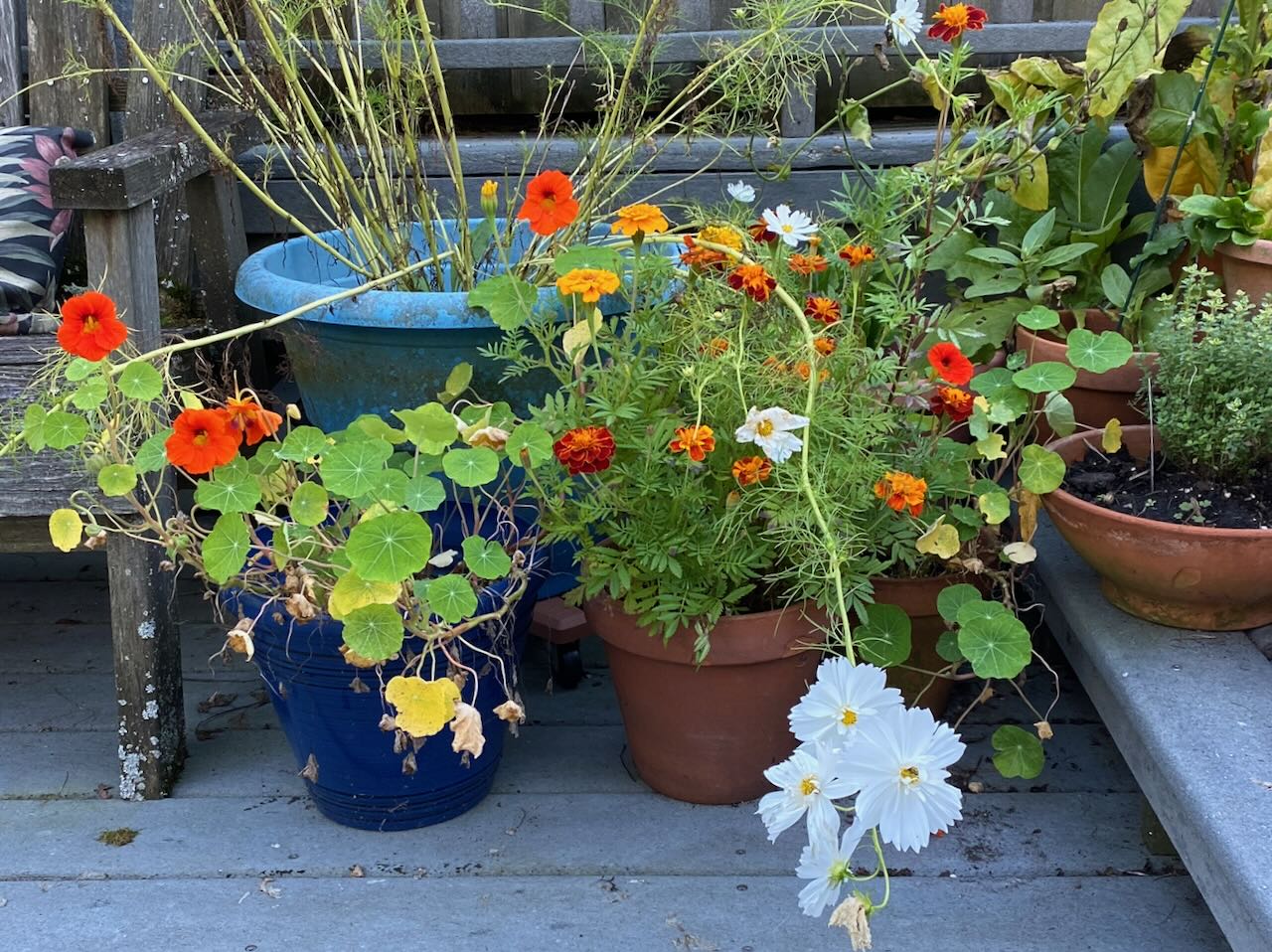
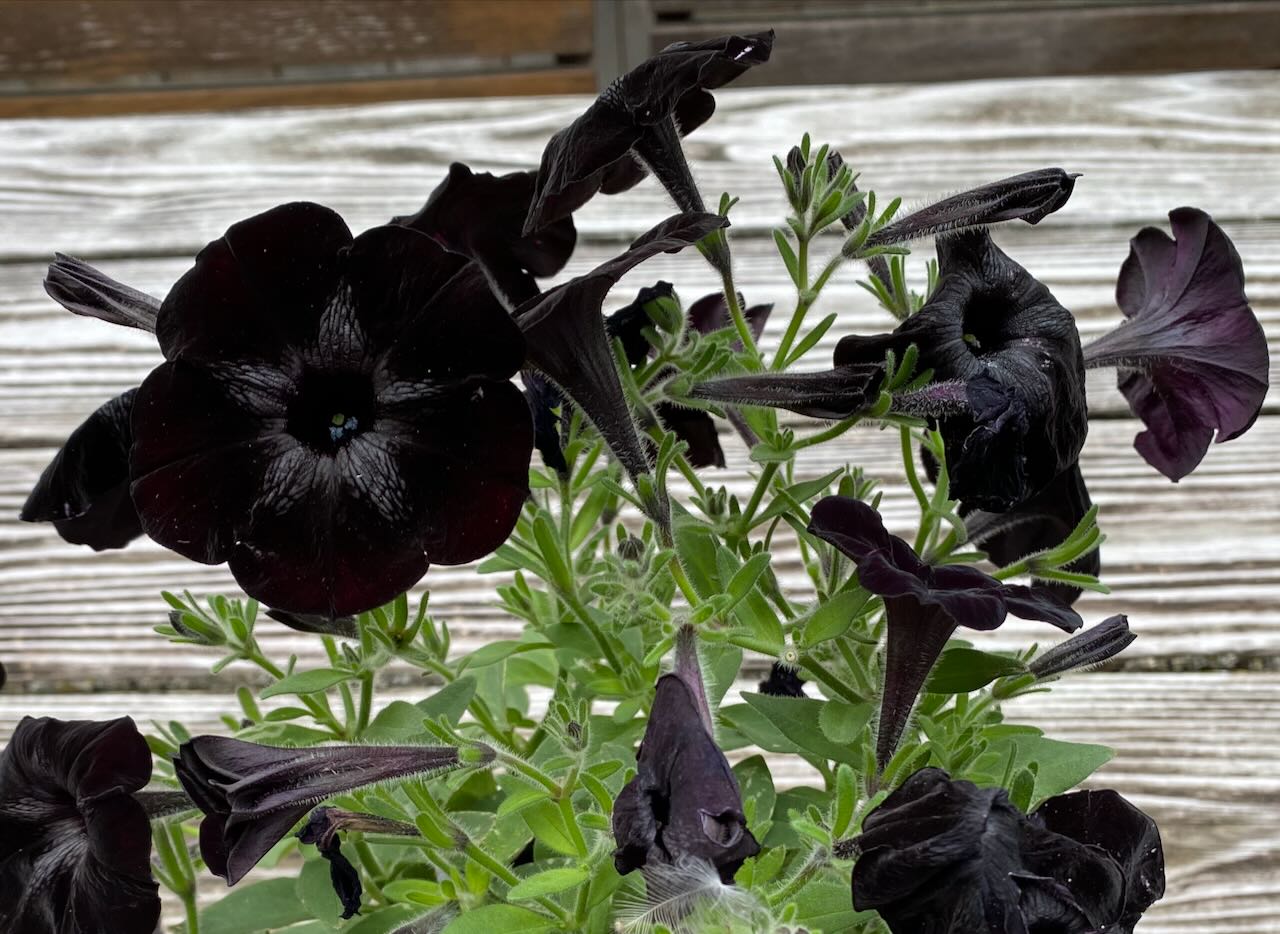
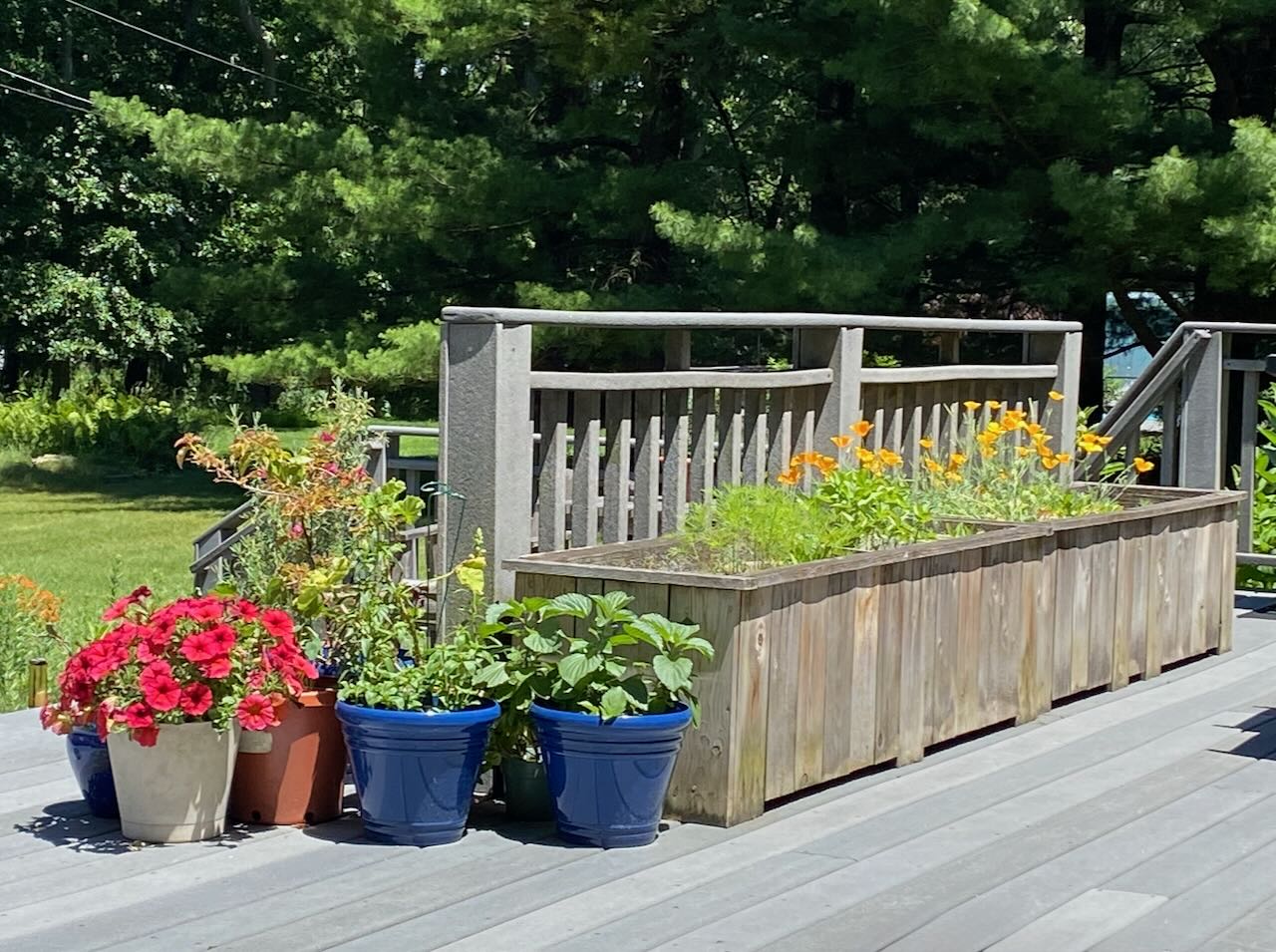
There’s also a mix of the deliberate and the accidental on the deck. The purchased petunias, taking the opposite route from the poinsettias, are going for a hot, summery red. Behind them the bougainvillea, after sulking tragically indoors the last few months, is stretching every finger in the sun and heat, just beginning to get the polish on its nails. The other pots are mostly full of greenery from zinnia and cosmos seeds I started a few weeks ago, but there in the middle of them is a glorious flash of California poppies, volunteer repeats from last summer. The seed must have survived the Michigan winter and frosty spring, waiting it out until the soil warmed up and local conditions matched its native needs. The poppies rose to the occasion. They’re split decision between me and Doug – eighty degrees is not too hot for daytime, but way too hot at night. As nights warm up they fade, waving goodbye in a fall of petals and fine seed. They’ll be back.

Summer A-Coming In

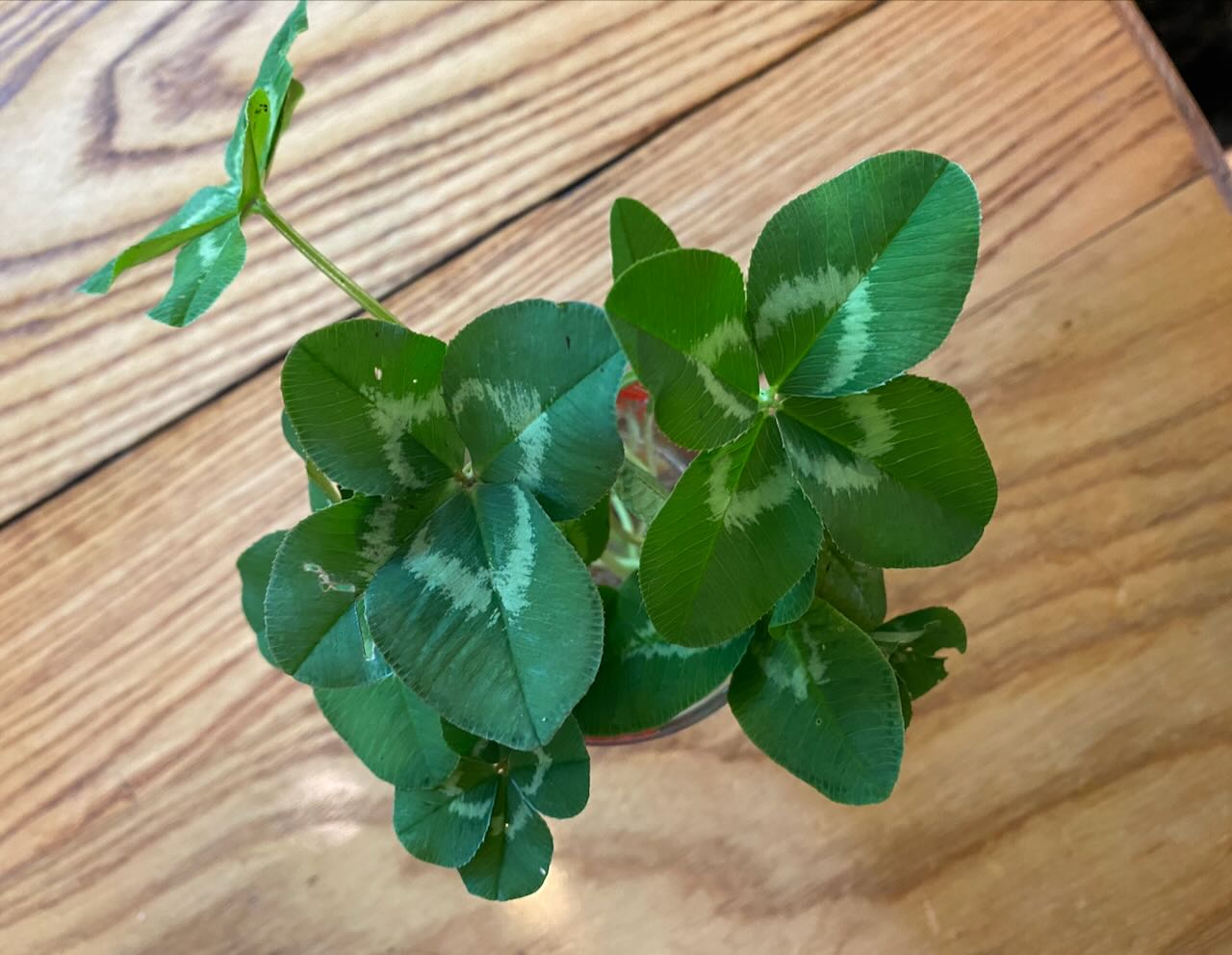
It’s been an especially lovely week to be out in the yard and garden. We’ve had a run of gorgeous weather, so that prepping the raised beds for their tomato plants and flower seeds was less like a chore and more like sunbathing. I cleared off the weeds, sheared the clover, spread compost, and glanced down idly, wondering if there would be four-leaf clovers this year. Yes! There they were, laughing up at me – half a dozen good luck omens, casually waiting to be noticed and carried into the house. Why should flowers have all the fun? 
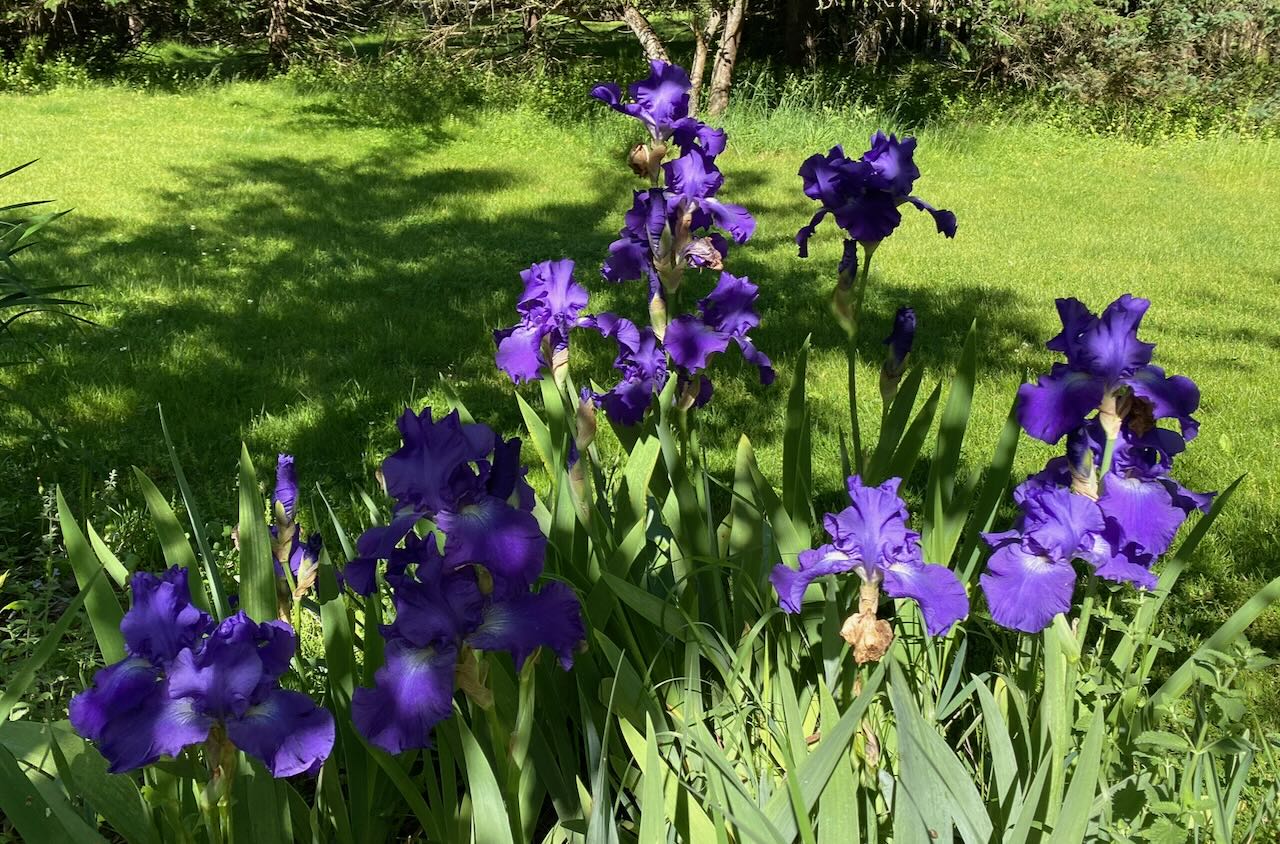
In the front yard all the perennials are showing up in order. The crabapple finishes flowering, the pear tree finishes flowering, and the iris knows it’s next. How do they do that? The bearded iris toward the back, the Siberian iris in front, and the pear tree off to the left make a joint project of shadows together on the newly bright lawn.

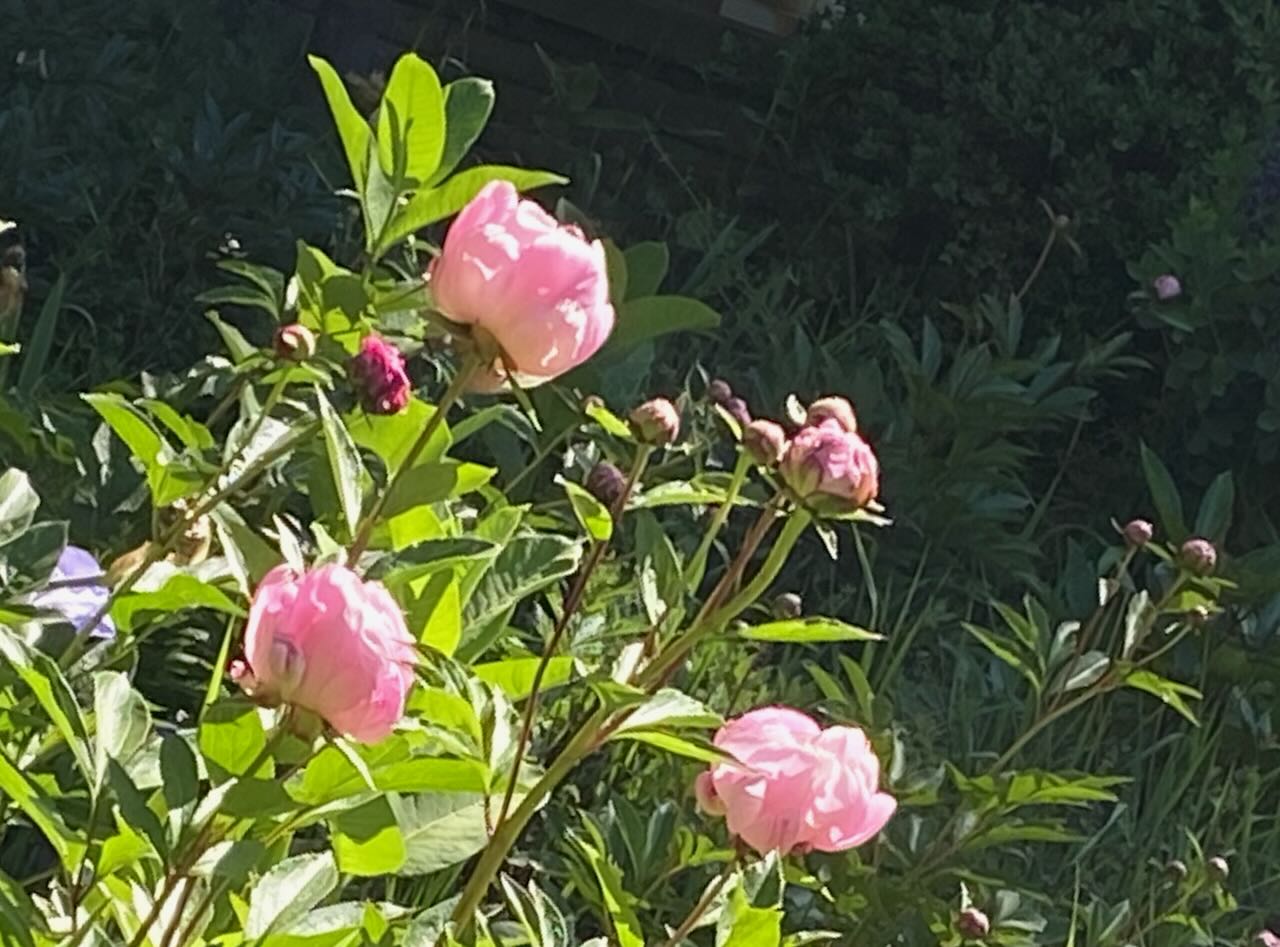
And once the iris are underway, the peonies chime in. It’s turning out to be an excellent year for peonies – many blooms and many buds on every bush. This is a close-up of the peonies, so you can’t tell they’re interspersed with more irises. They seem to enjoy each other’s company. That inspired me to look into companion planting – the idea that certain plants do better together than separately. The classic example of this is the Three Sisters of native American farming practice: beans, squash, and corn. Beans fix nitrogen in the soil for the squash and corn, corn provides a support for the beans to climb, and squash shades the ground with its broad leaves, blocking out weeds. Since I don’t have room in my garden for corn and I don’t like beans, I’m looking for other combos instead. 

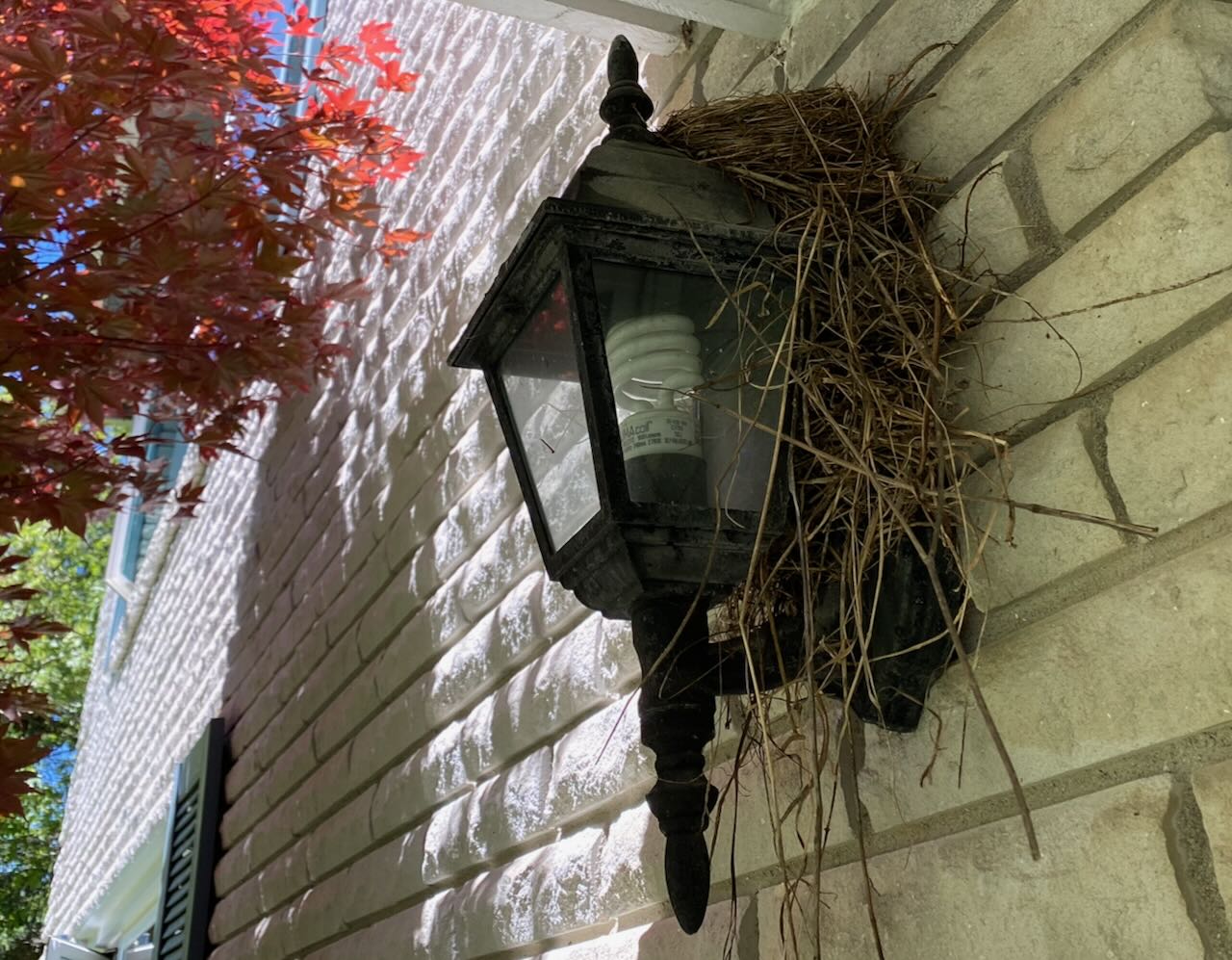
Meanwhile I found a different companion right at my front door. The shaggy part appeared first and I had my doubts, but once the gap between lantern and wall was filled in, a neat little nest appeared on top. It’s very touching to see that a bird feels safe from predators when close to people. We may be disturbing their flyways and disrupting their climate, but indeed the foxes, owls, and hawks flee when they see us coming. Birds have figured this out. You’d expect a creature that started out as a dinosaur to be adaptable like that. 
Perennial Thoughts

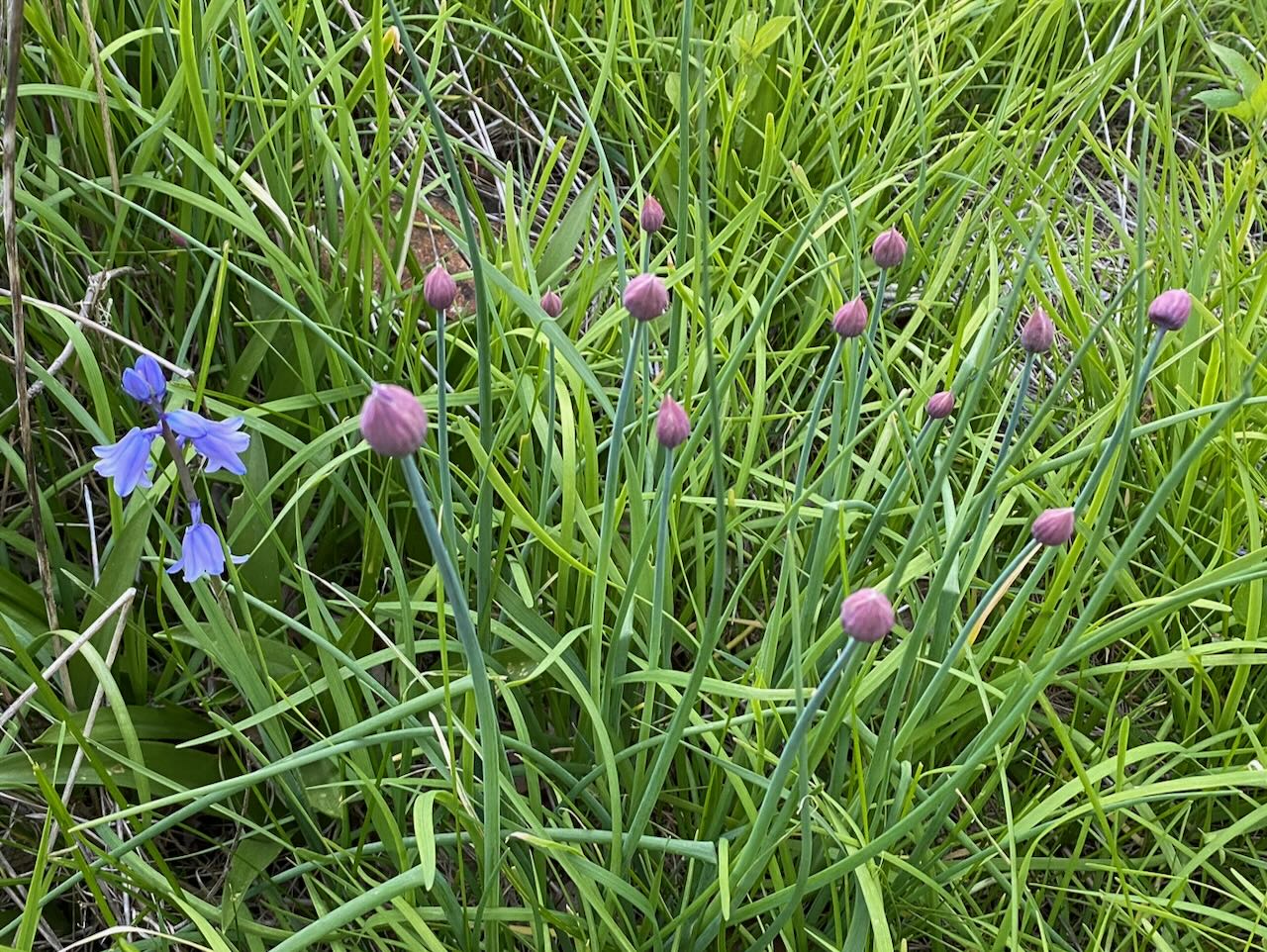
The weather’s been up, down, and sideways this spring, uncertain enough to keep my seedlings stuck in the house, looking out their sunny window as erratic frost rolls and unrolls over the lawn. But out in the yard, the perennials are not confused. The reliable chives wave their purple goodbyes to the daffodils, while the last of the wild hyacinths refuses to cede ground. Nice try, but nothing can stop the chives. 

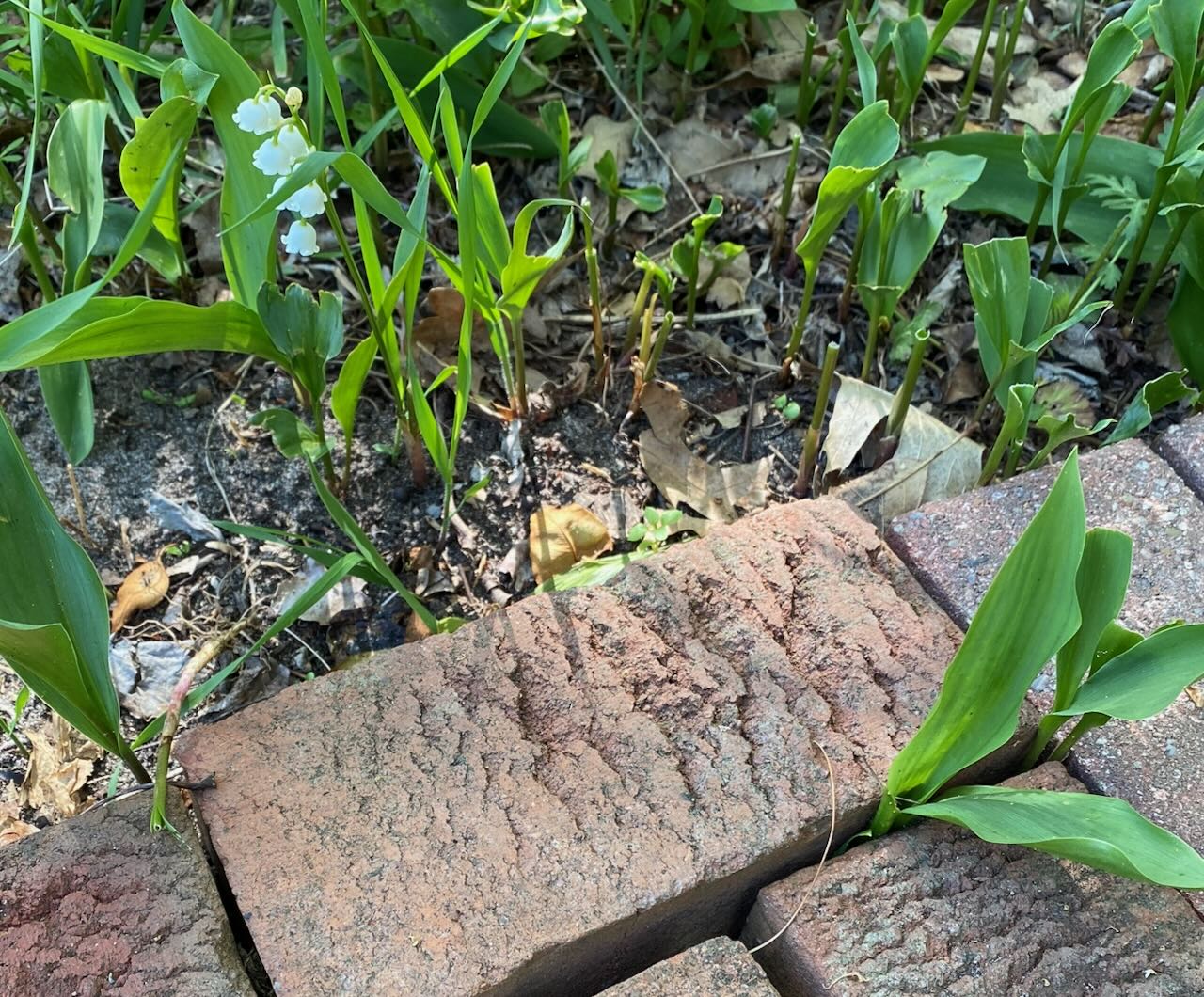
Across the lawn from the herb garden, at the edge of the woods, I’ve made a tiny patio of a few rows of bricks. It’s just big enough for a single chair, me, and a cup of tea, maybe a book. The lilies of the valley would like me to know, though they look dainty and possess the scent of sweet innocence, that they are a power to be reckoned with, and should have been consulted. Their outrider will move that brick if I don’t stop him.

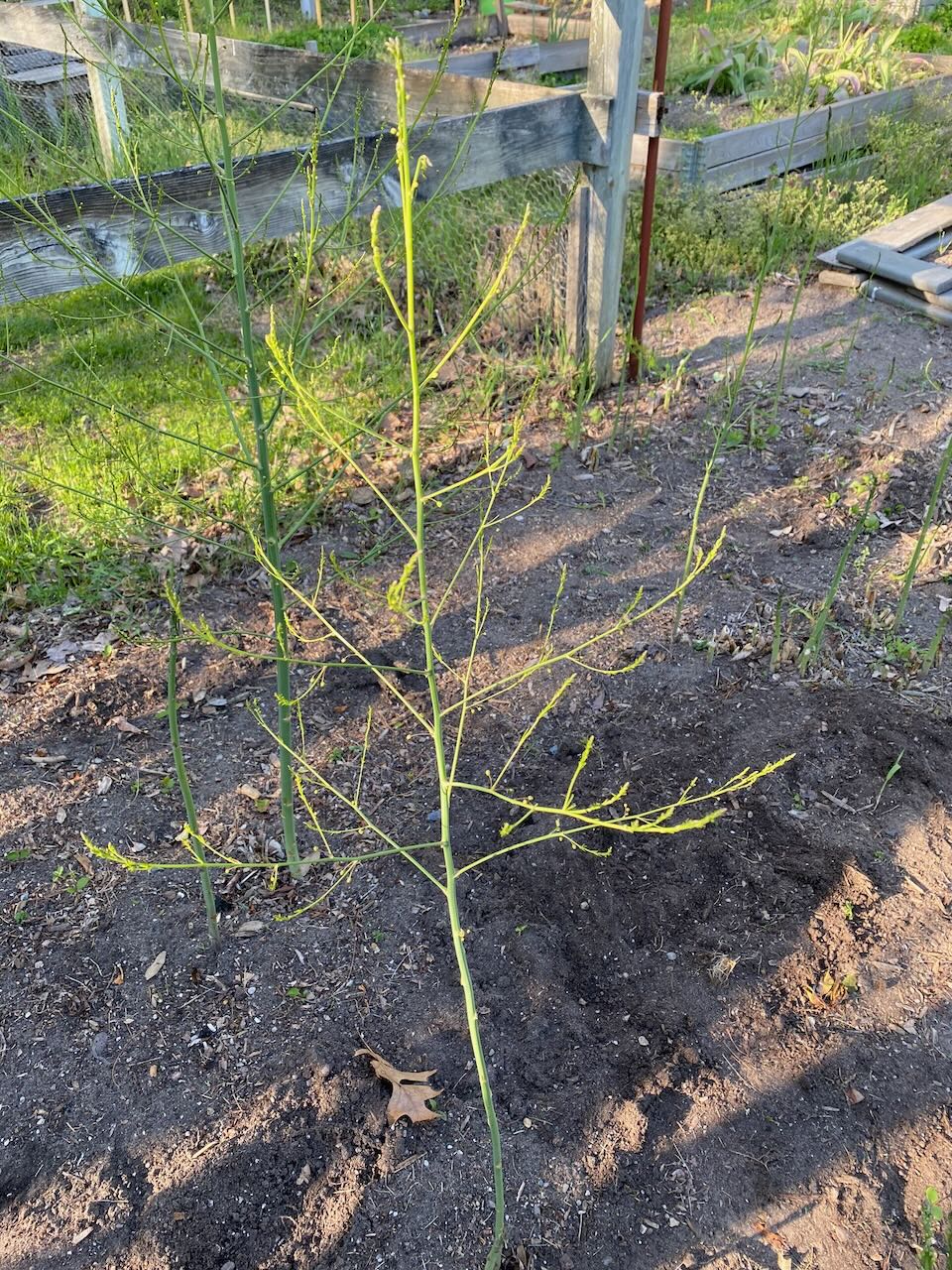
The asparagus, another perennial, has been poking its fingers up through leaf mold for weeks now, and the time has come for me to stop cutting and carting them off for dinner, and let them feed themselves instead. They’re at the stage now where they look like, well, sort of skanky Christmas trees – the tightly-closed tips expanded into branches, but the ferny leaves not yet fluffing them out. 

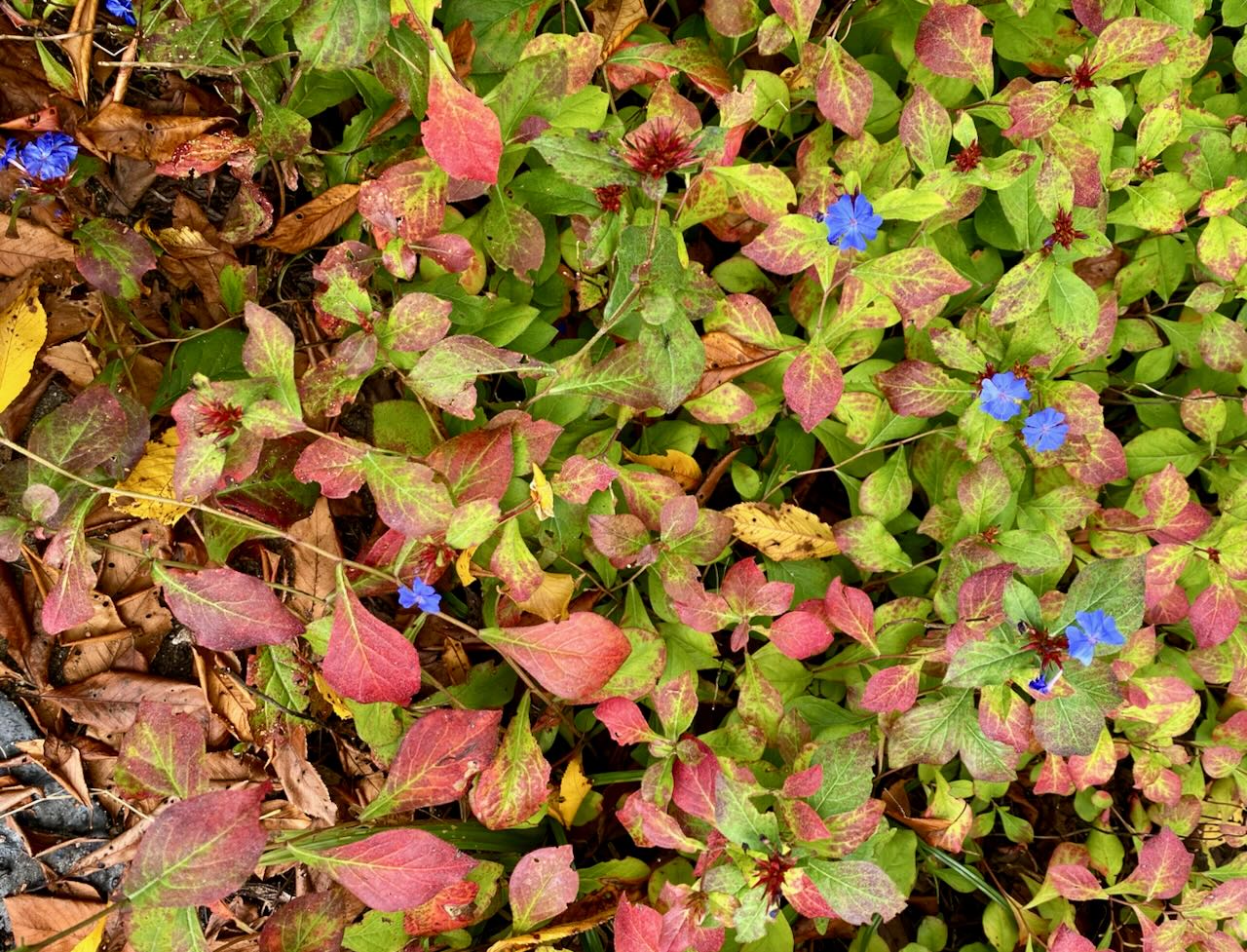
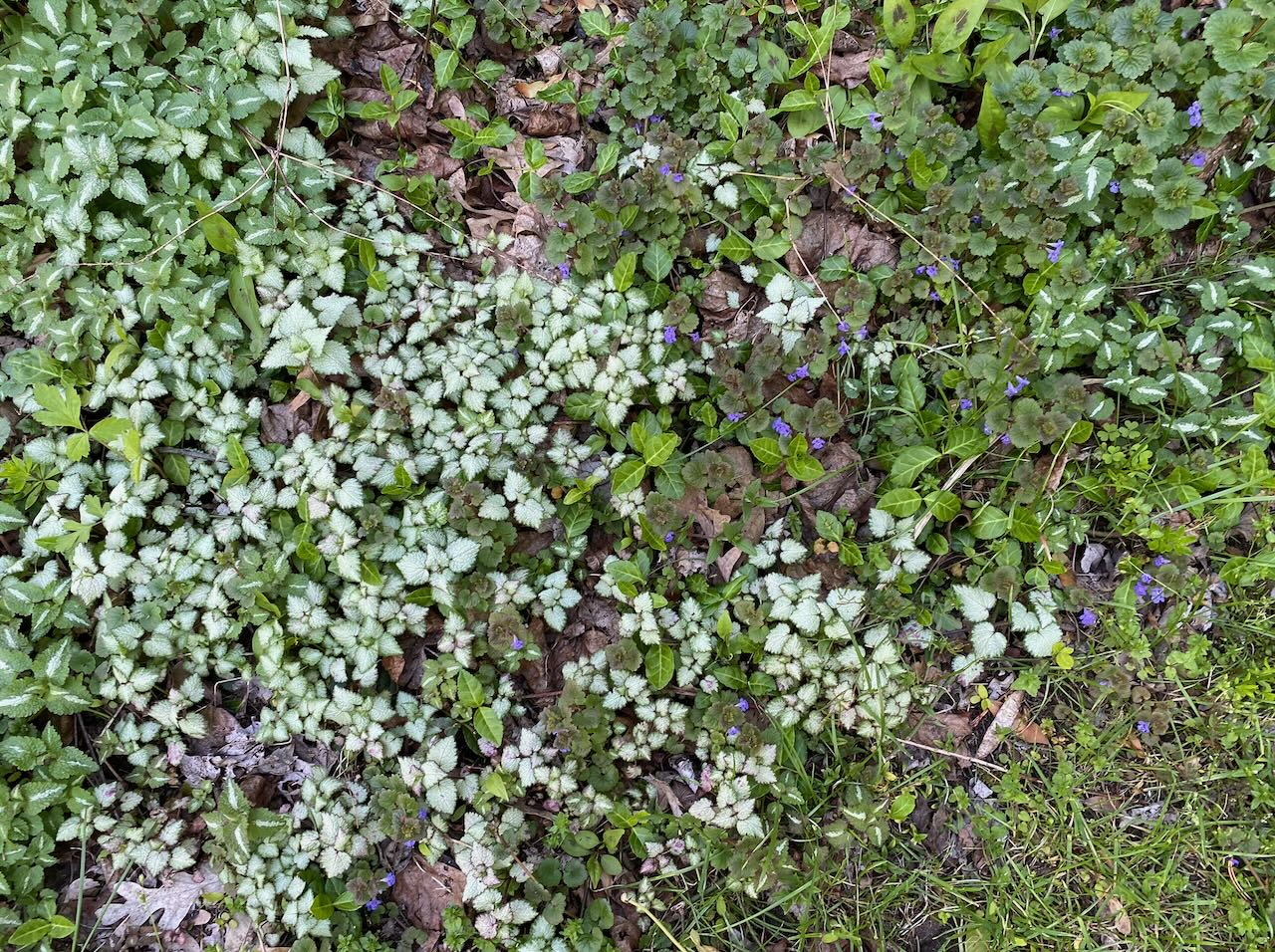
Sturdy, reliable, undemanding, how nice that these trusty plants come back every year with no effort on my part. My lamium, for example – such an excellent groundcover. But what’s that little purple flower sneaking into the picture from the upper right hand corner? Creeping Charlie! A weed! Alas, a perennial too, and just as determined to come back as all the others. The traits so wonderful in a plant you want, so aggravating in a plant you don’t. It’s hard to see their habits as the same, but they are.

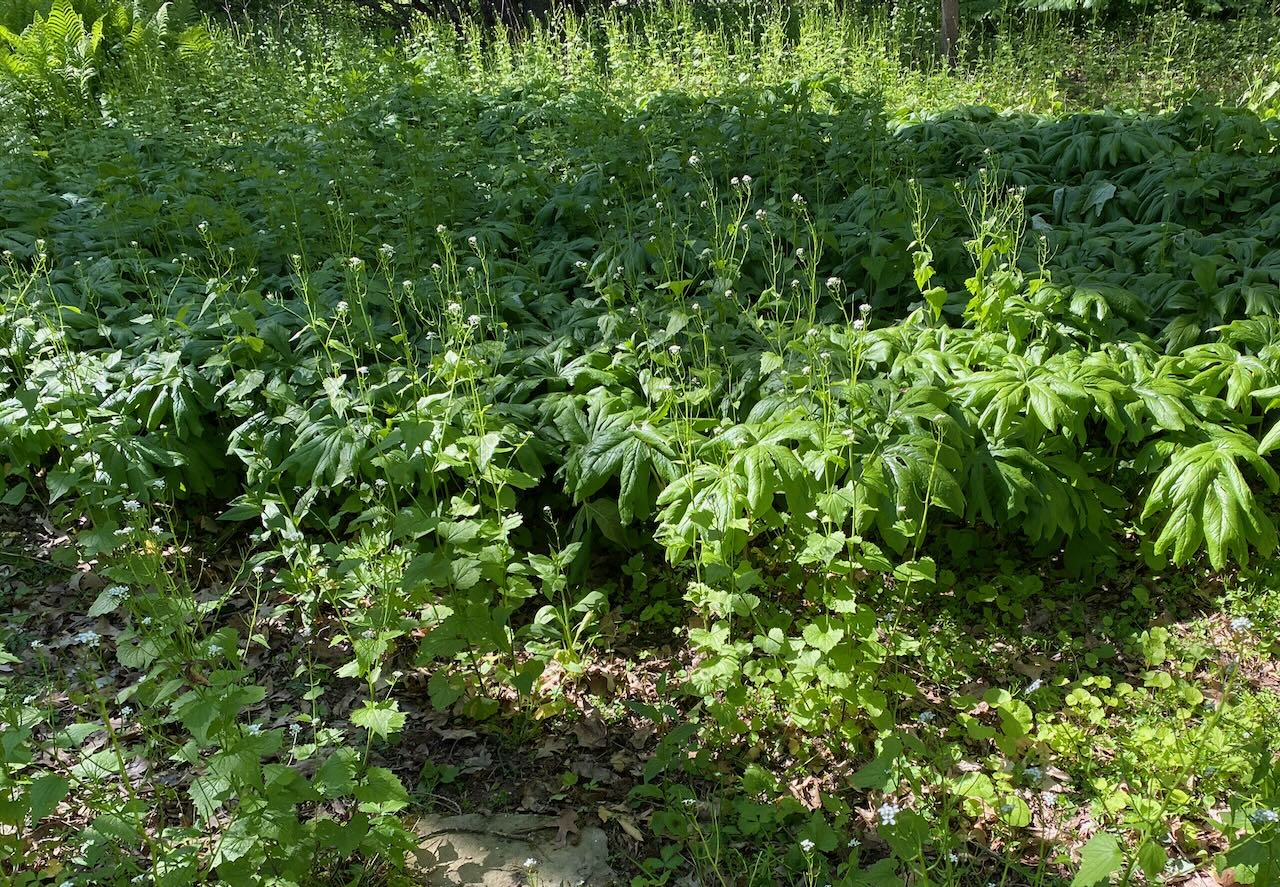
Take garlic mustard, for instance. Early colonists brought it with them as a desirable salad green, but few here today consider it palatable. Including me – I’ve tried it. It’s not perennial, but so profligate of seed it might as well be. When I first moved to Michigan and saw stands of garlic mustard blooming in spring, I thought it was lovely. Then I discovered its aspirations to world dominance. Its specialty is swamping the opposition in a bid to turn diversity into monoculture, as though some mega-chemical company were in charge. If only my basil would do that.


April Comes

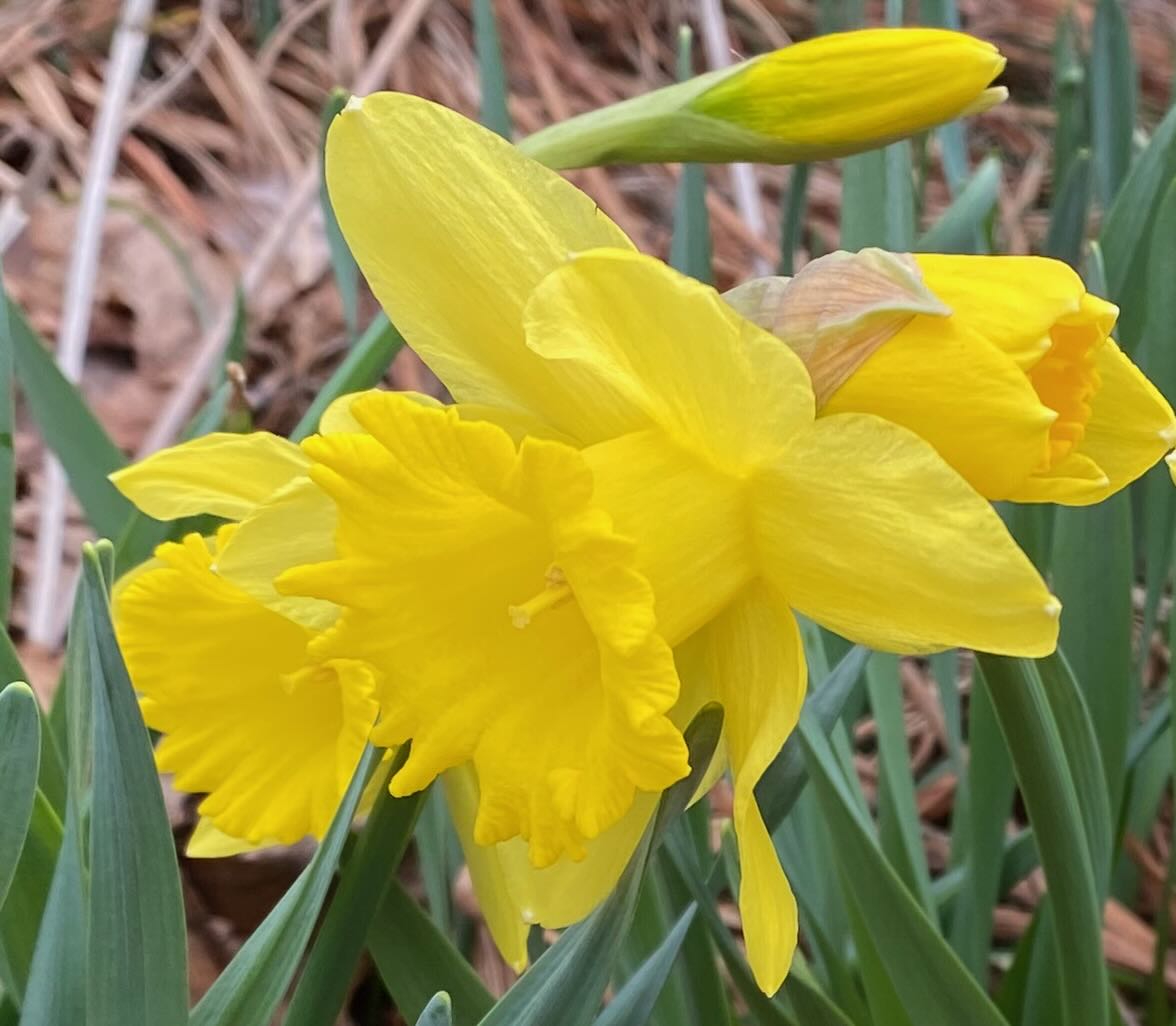
Now that we’re past groundhogs and the equinox, it’s really starting to look like spring. April veers from Fools’ Day to Arbor Day, sweeping Passover and Easter along in a current of National Poetry Month, rainshowers, and regrowth. If T.S. Eliot thought April was the cruelest month for pushing out lilacs before he was ready, what did he think of the daffodils? Look at them there, mocking misanthropes. Go daffodils, I say.

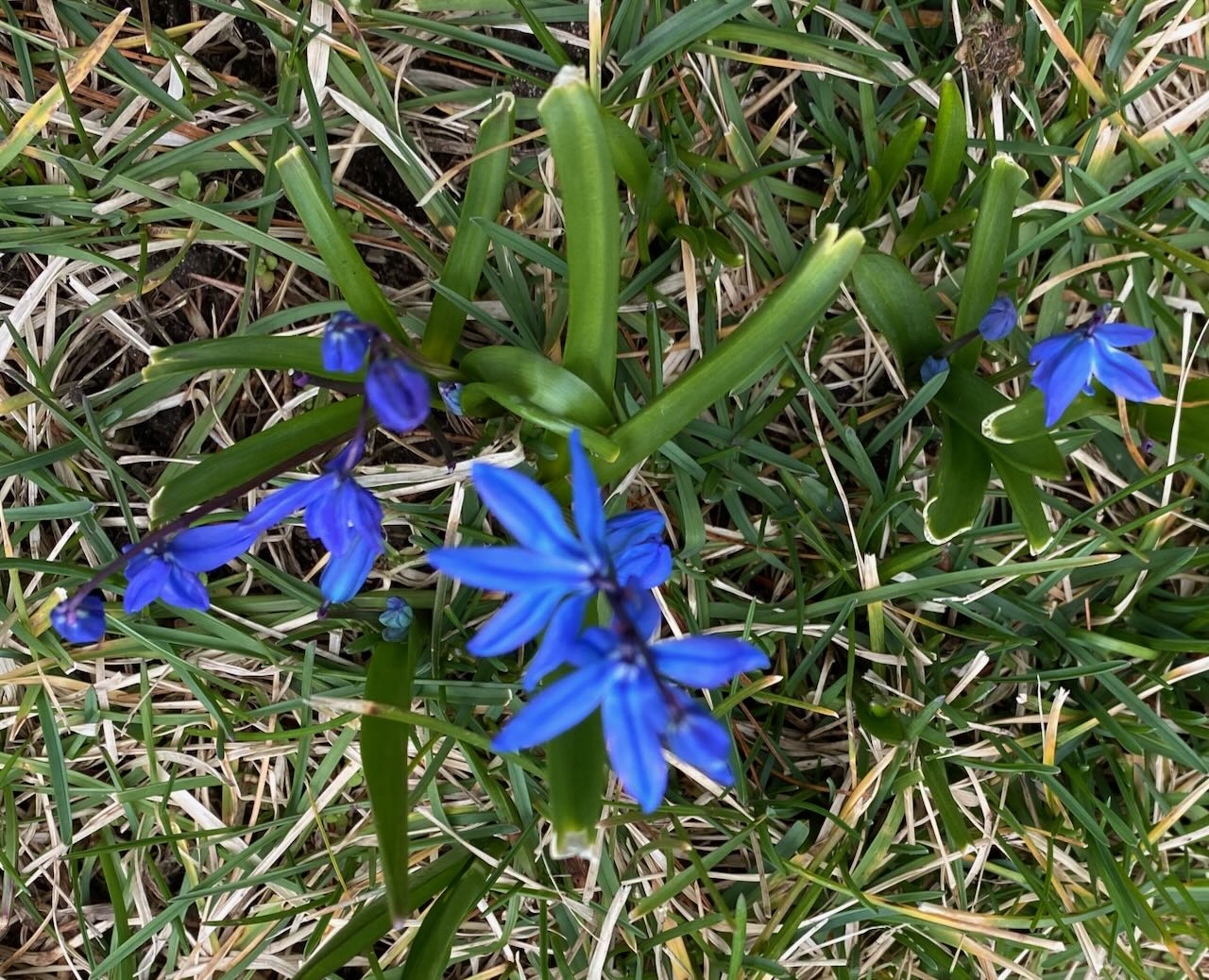
Last fall Doug helped me plant a lot of scilla in the lawn, perfect bulbs for the job because they bloom and fade before the grass needs mowing. Also, the deer and rabbits won’t eat the flowers. They will, however, nip off the emerging tips of the leaves. It’s a little hard to tell which perpetrator is responsible for this damage – rabbits have sharp front incisors and make clean cuts; deer bites are more ragged. There are both types of damage here, so the bunnies and the Bambis are sharing. How lovely that would be if they were eating weeds. 

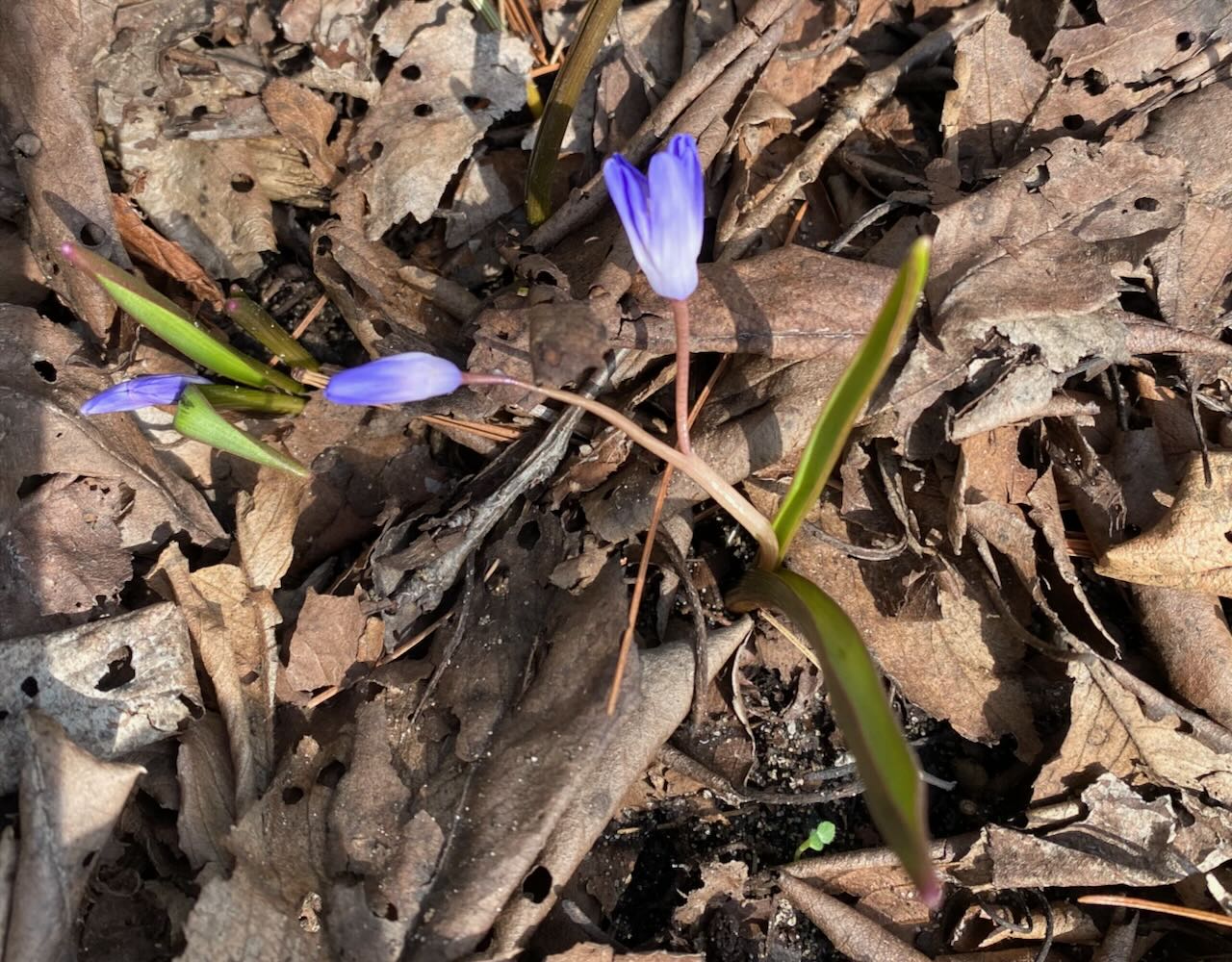
I like my flowers to naturalize into nice thick boisterous clumps, swaths, and patches, but I do think this little one growing all by itself in the leafmulch is very elegant. It was moved off its original spot by unknown forces of nature: hyperactive squirrels; frost heave; or maybe the human element of a snow plow going a little too deep, a little off target. Sometimes it turns out well when your plans go astray.

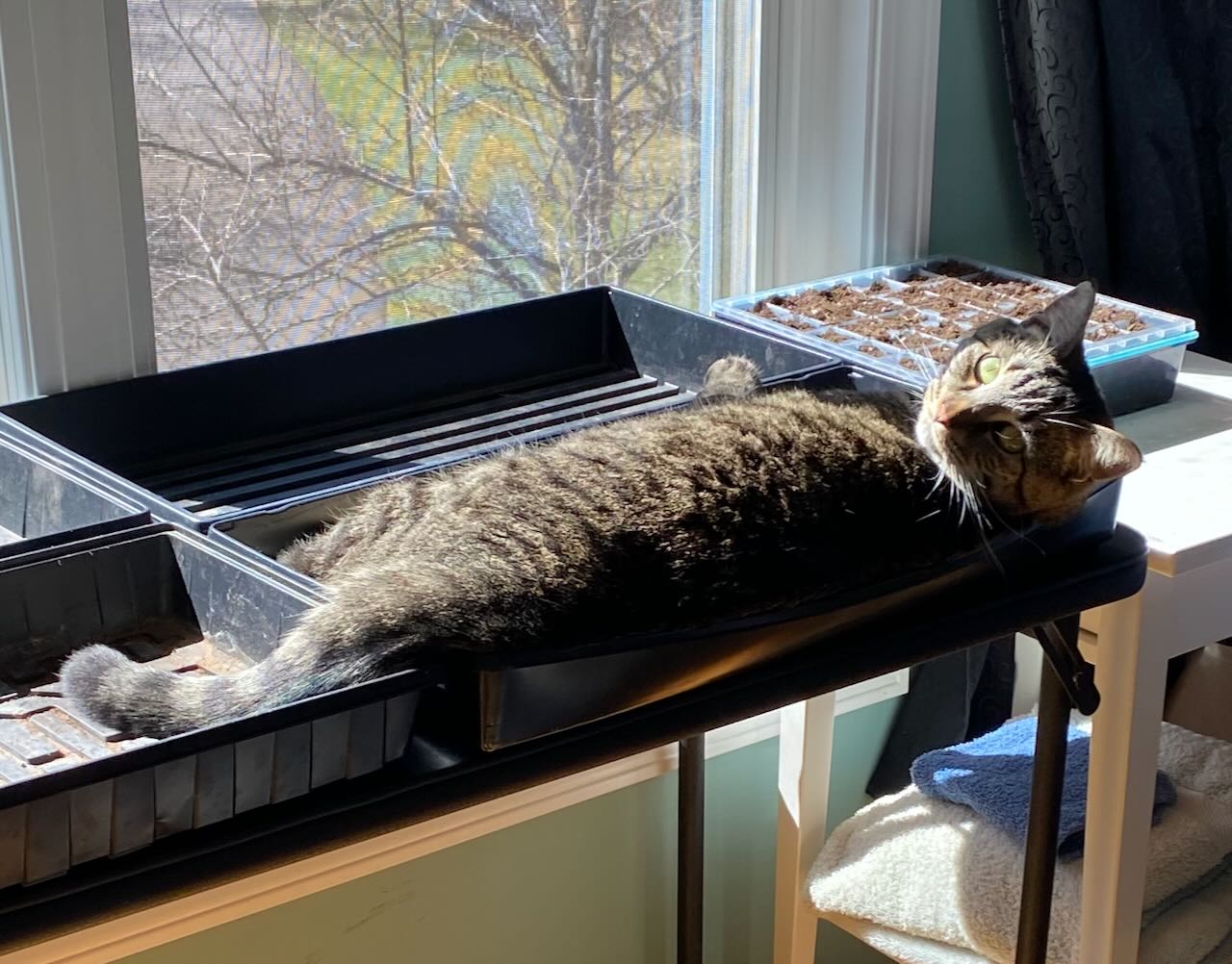
It’s time to start the seeds for my garden. Doug took the folding tables upstairs to the big sunny window in the guest room, we set them up, and I spread my trays across them. Frassy was extremely interested in this, even more so when I started filling pots with dirt. She stepped from one tray to the next, inspecting, and apparently approved enough to commandeer one of them for a nap.

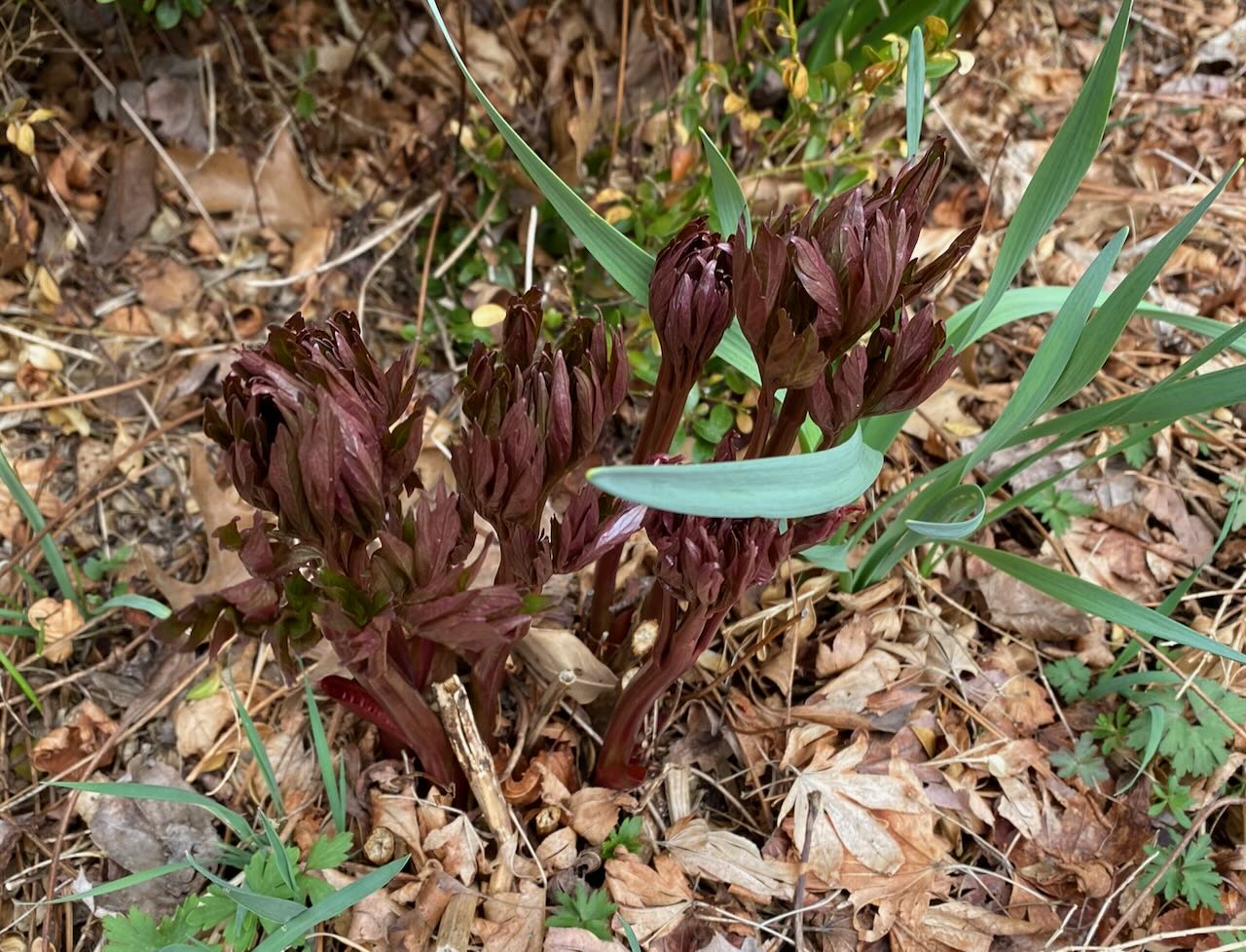
Outside, meanwhile, the perennials that vanished with winter are reasserting themselves. T.S. Eliot might see these as ghastly hands reaching up from the grave, but in fact they’re new growth rising from the roots of peonies. They have all of April and all of May to build out the torrent of ruffles and perfume that will burst from them in June; they’re in no rush. I’m happy as long as I can see it coming.


Not Winter, Not Spring

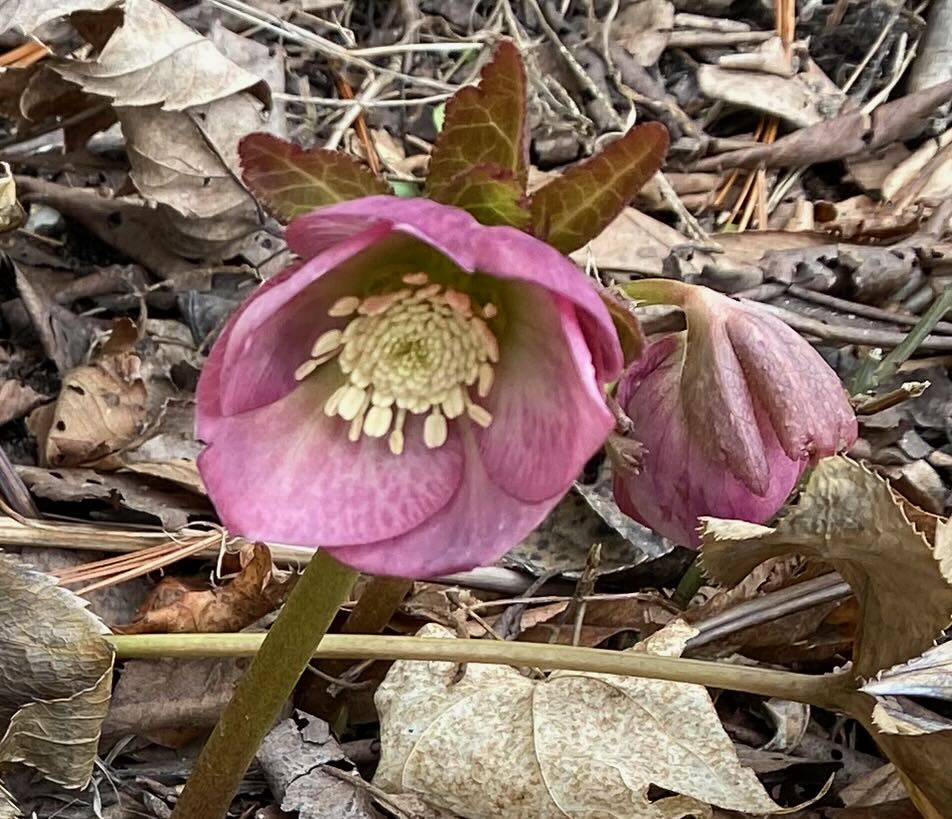
When Punxsutawney Phil saw his shadow six weeks seemed like a long stretch of time, but like all stretches of time it has passed. Faint signs of spring are accumulating. Stuff that looks like snow still escapes from the clouds, but by the time it’s on the ground it’s rain, and has even melted the big snow berms the plows pushed up. The hellebores whose blooming I doubted, have unfurled themselves in plenty of time to stake their claim as Lenten Roses. 

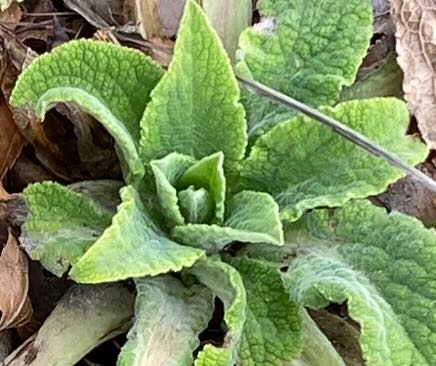
The foxgloves in the front yard are also waking up. They looked so dead for so long, but the bright green whorls stashed in their hearts have escaped into sunlight. The deer are attracted by the fresh color and step up with hopeful hearts, but when they get close enough they realize this is digitalis, and poisonous to eat. Which has a positive impact on the flowerbed, because while they’re standing there in their disappointment they deposit a lot of manure. 

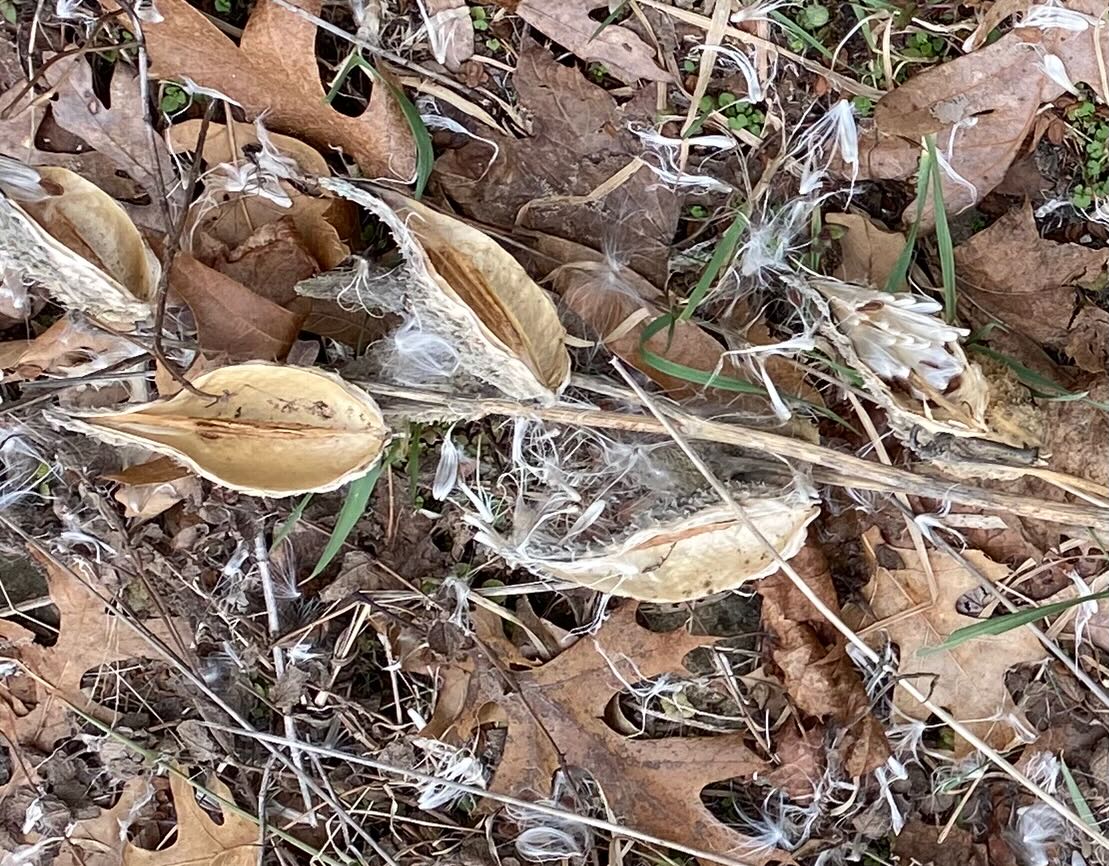
The milkweed in the back yard launched many seeds last fall, but held some back for spring. Winter laid the tall stalks on the ground, where the last winged white seeds fell out into snow and flew nowhere. Seeing them once the snow melted off, I thought – what’s that, dryer lint? Feathers? But it was milkweed seed, staking a claim to its parental territory, while the early crowd prospected further afield. 

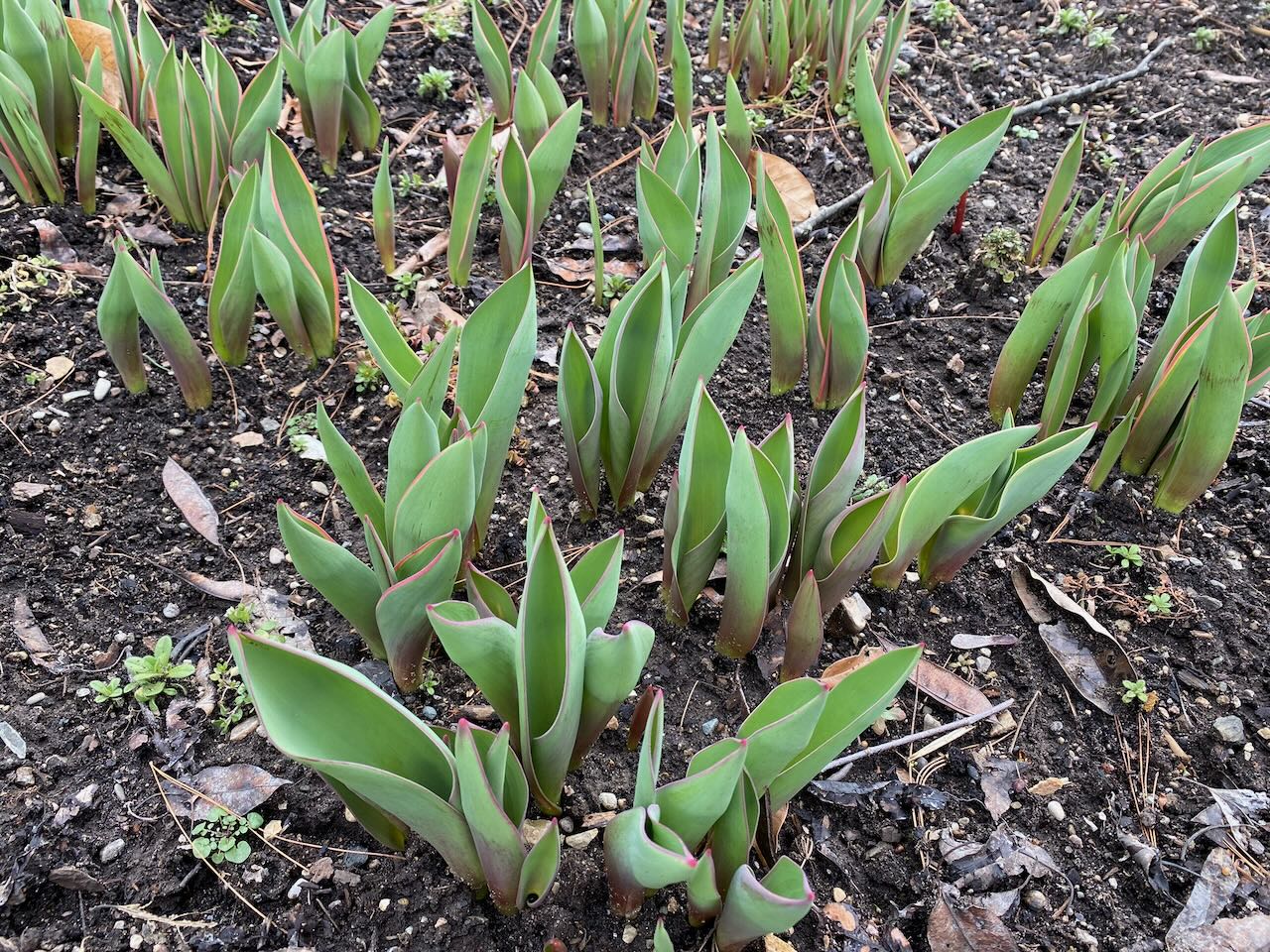
Through the last few weeks of up-and-down weather I’ve been checking for progress in the fenced garden. Several of the raised beds that grow tomatoes in summer spend the winter months nurturing tulip bulbs, and they need to send shoots nosing up a few weeks before they intend to bloom. So they had to be getting ready. I looked – nothing – looked – nothing – and then pop, a whole gang of them, fat tulip leaves like donkeys’ ears standing up out of the dirt of tomatoes past. It seemed to have happened faster than it could possibly have happened.

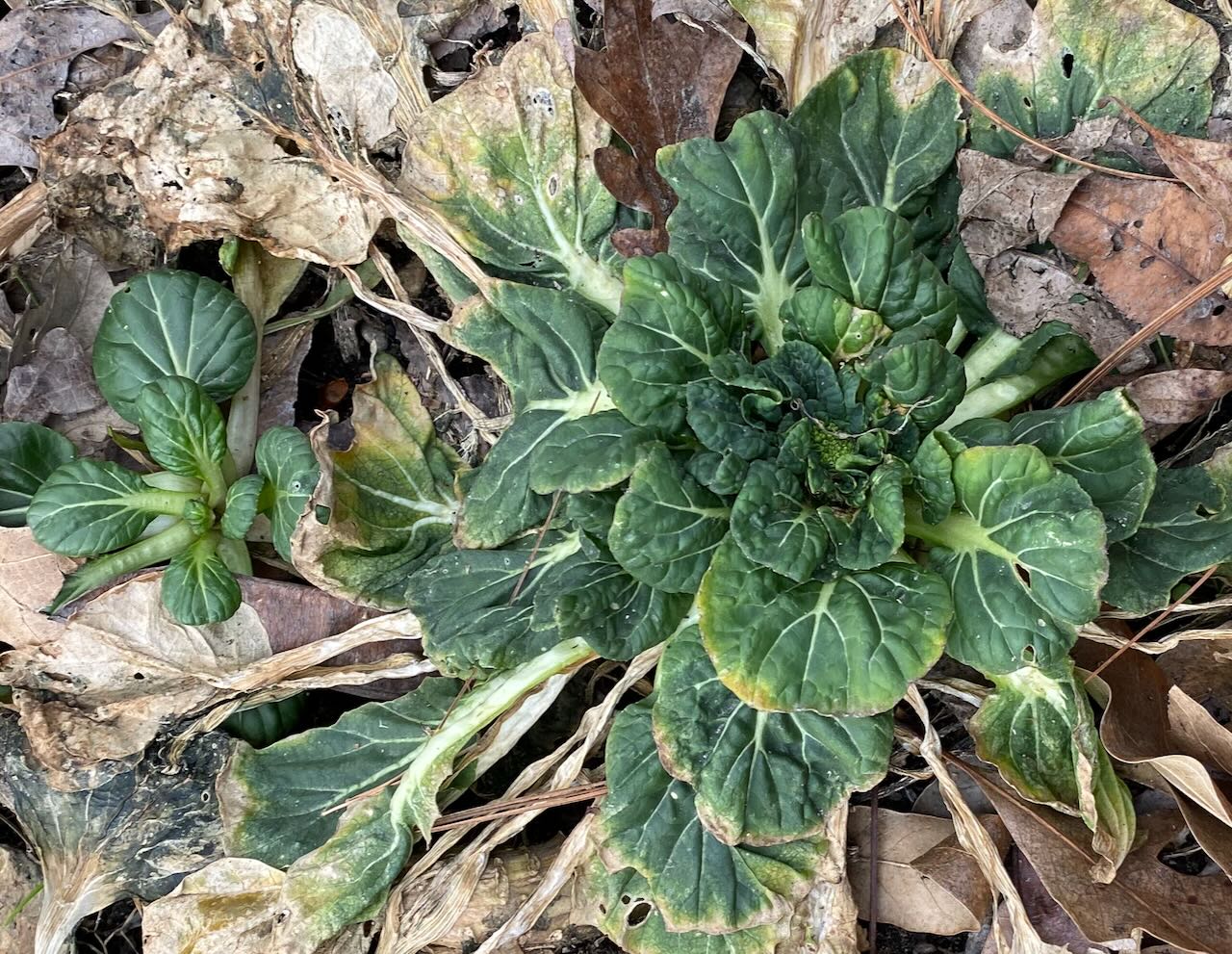
But however fast or slow, it was certainly expected. What I didn’t expect was two tatsoi plants in the next bed over, acting like perennials. Cold hardy is one thing, but surviving a Michigan winter is something else. Not all the tatsoi did. What made the difference? Mini-micro climate?  Different snow cover? Good genes? Random luck? Will this survivor tatsoi differ in taste, toughness, or texture from tatsoi eaten in season? I would find out, but I don’t want to reward its efforts at resilience by ripping it out of the ground. For now I’m content to marvel at it. Resilience is a wonderful thing.

Resolution

I like to start every new year with a resolution or two, chosen from my list – unwritten, but still a list – of things I really want to do, but keep not getting around to. Not things I should do but avoid, like exercise, or giving up snacks. There are so many happy, satisfying things that need doing and can be turned to instead. For instance, I’ve gotten behind on my favorite, persistently arriving magazine, because I haven’t been traveling. Magazines are perfect for places where your attention is frequently interrupted – airports and airplanes, for example – because they consist of discrete parts. You can finish a whole article while waiting for your flight to be called, and not lose the thread as will happen with a book. You can dip in and out of the letters, poems, and cartoons in between the good views out your window seat. I’m quite content not to be traveling these days, but I miss reading my New Yorkers. So that’s one possibility.

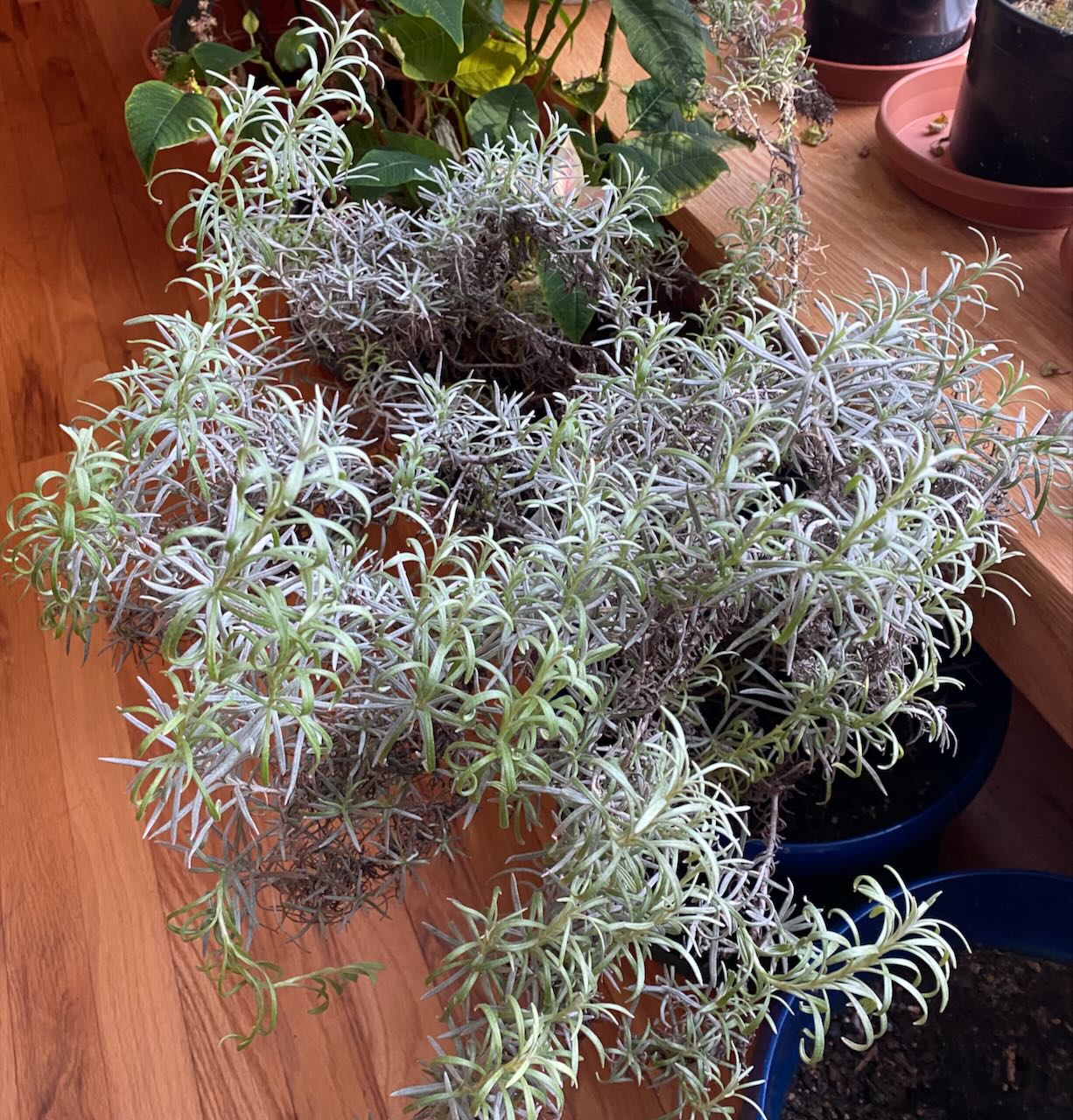
Then there’s my indoor gardening. I brought my curry leaf plant in for the winter so it wouldn’t die, and it didn’t die. It has such an abundance of wonderful, fragrant curry leaves that I really want to cut some and dry them, for future use. Would they make a nice tea? I don’t especially like to cook, but I do like to play with my plants.

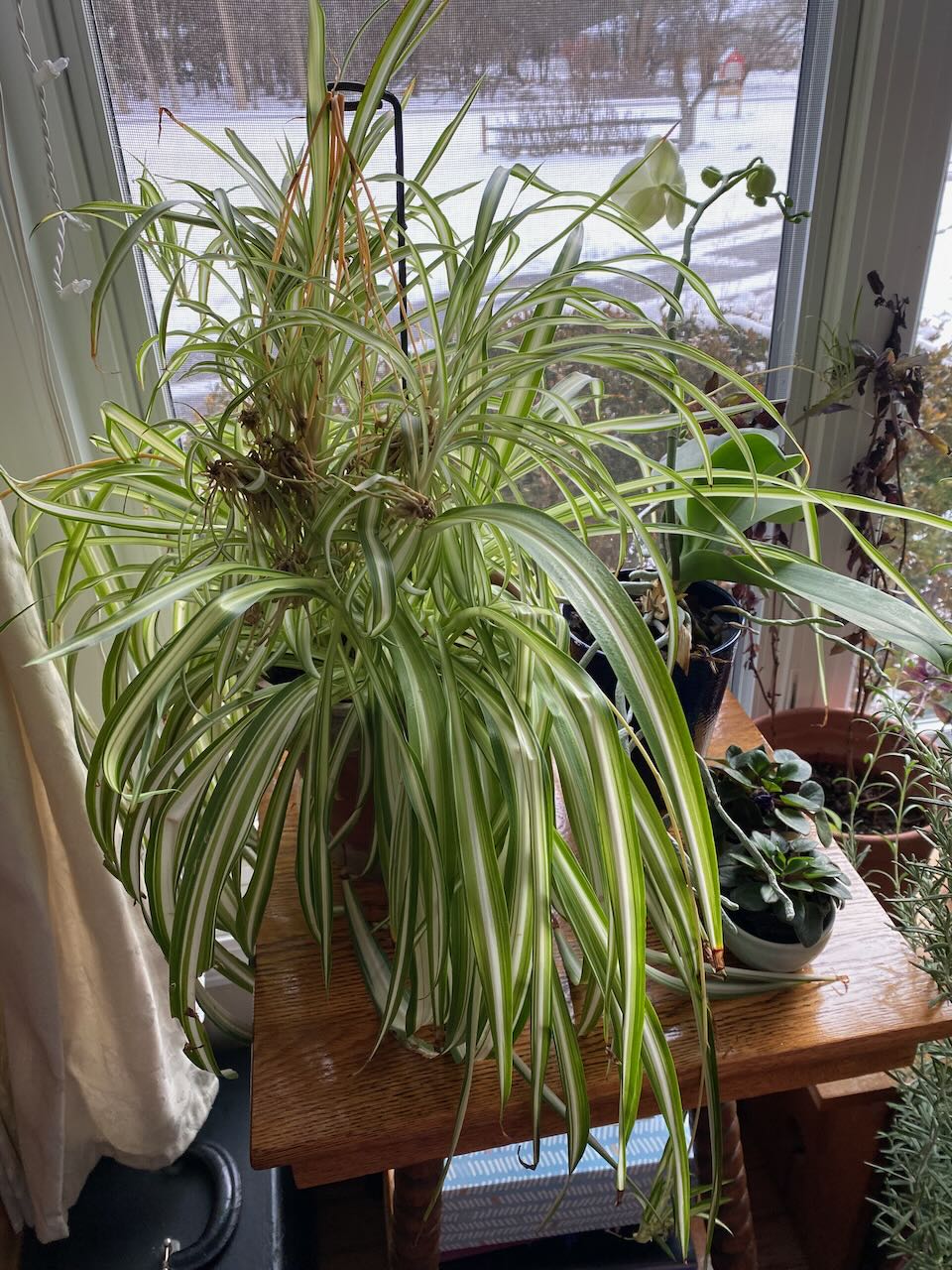
My spider plants could also use some attention. Their adorable enthusiasm for life leads them to throw out new, spindly limbs in all directions, each one flourishing a baby spider plant at the end. I’ve gathered these into plant supports over Mamaplant’s head so they don’t sprawl all over their neighbors, but every so often I cut them off, pot them up, and resettle them on other windowsills, sometimes in other people’s houses. It satisfies my urge to grow and propagate things, despite the snow you see on the other side of that window. So, more possibilities.

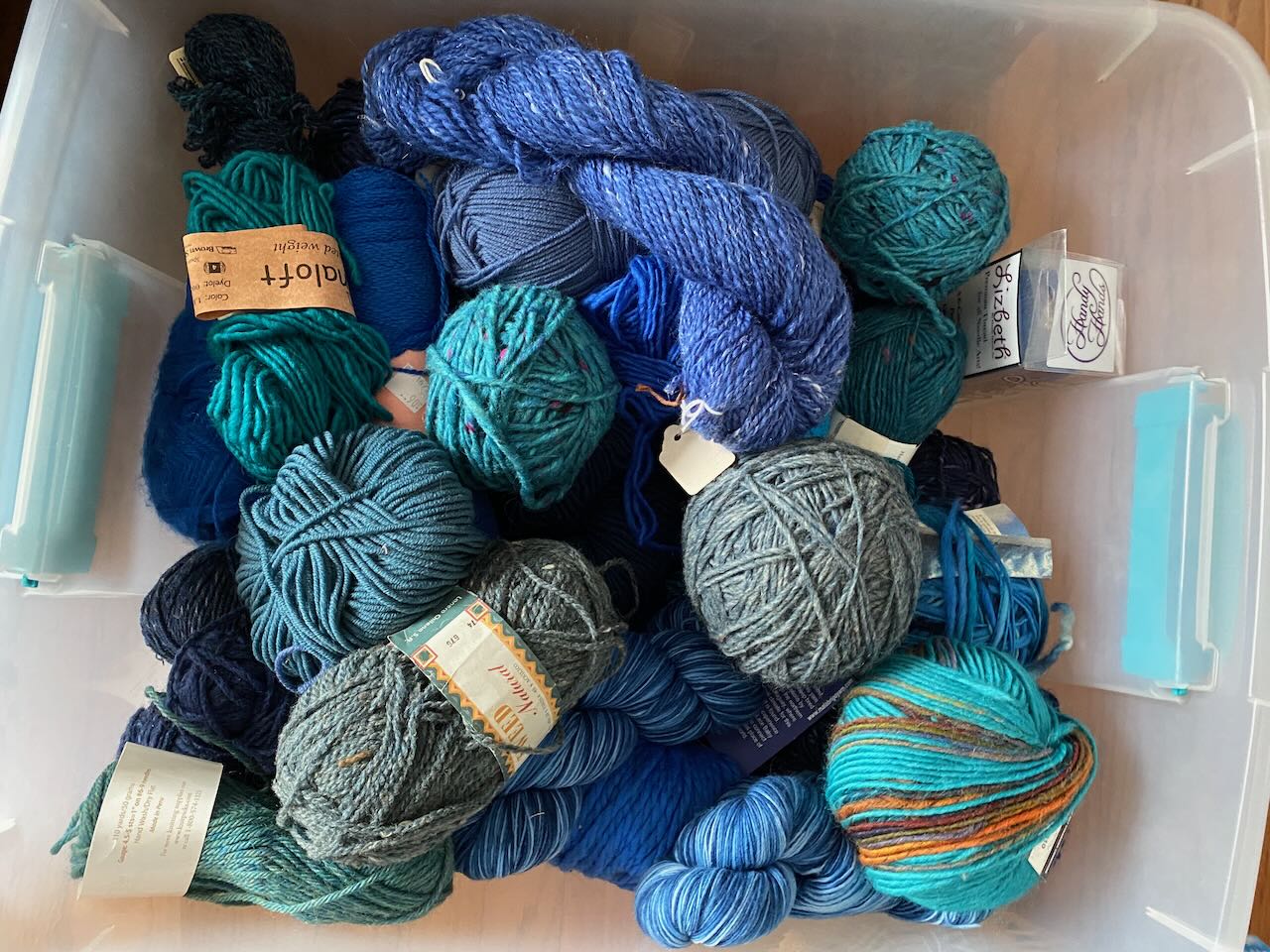
Then there’s all this yarn I’ve collected in what Kaffe Fassett calls a colorway. Whatever else I’m doing I like my hands to be busy, so knitting or crocheting is another pleasure. Frassy has a new habit – pawing a hank or ball of yarn out of its nest and carrying it around the house in her mouth, kitten-like. She doesn’t unwind or chase them, and I really don’t know if they are substituting for kittens or dead mice. But it gives me the added motivation of using the yarn while I can still find it. Also good to finish any scarves or sweaters before I run out of winter. 

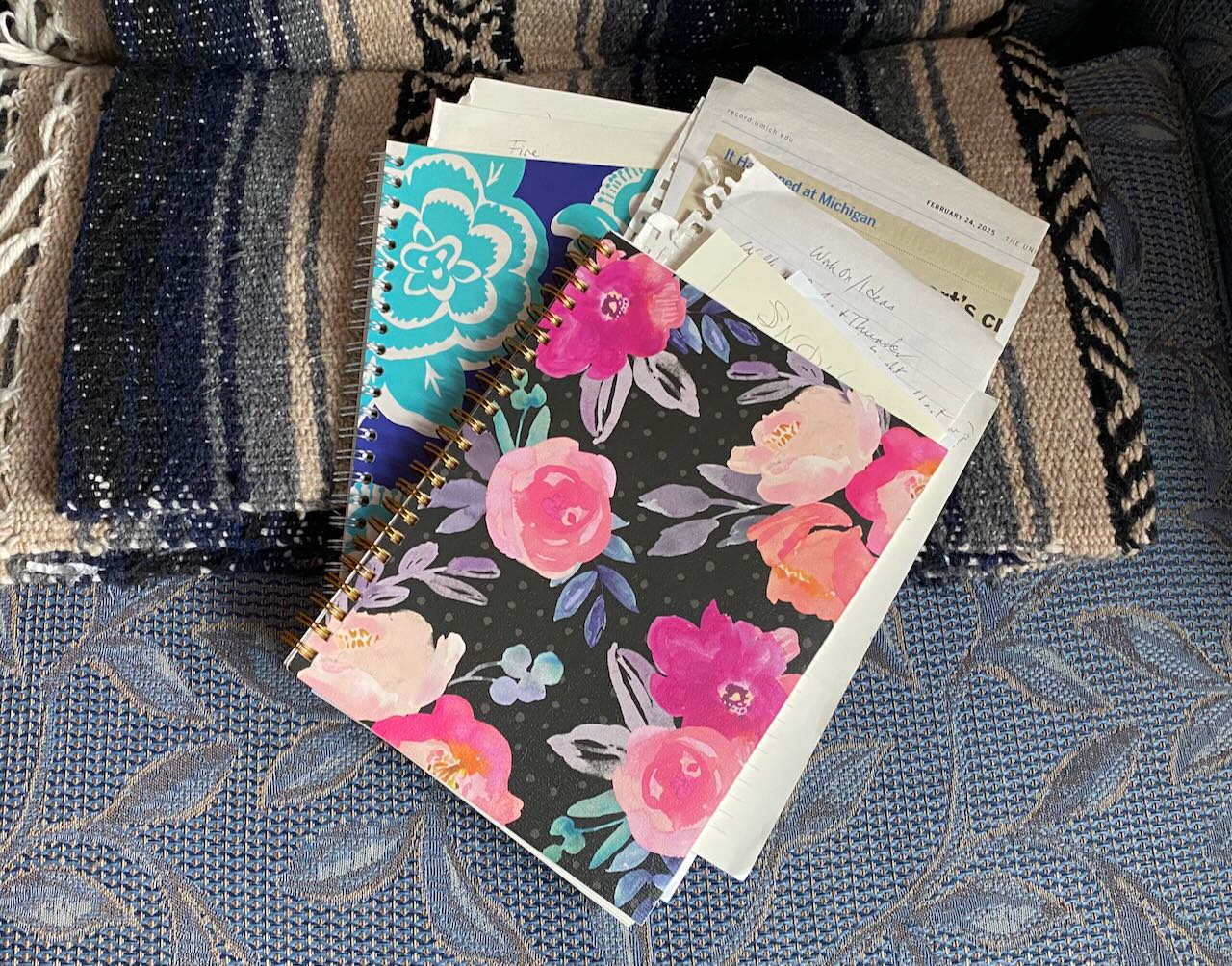
While I was saving yarn from Frassy, I came across not one but two little notebooks full of notes, bits, and pieces for poems. Between these and the many poems always in my head, it would be quite satisfying to convert some of these scraps into poems. Another possibility. I will choose one or two of these possibilities for my resolution this year, but can’t tell you which. New Year’s resolutions are like wishes on a star: I was taught that if you told anyone about them, they wouldn’t come true. It’s like why you say “break a leg” to a ballerina before she goes onstage, as though some malevolent force is listening in, ready to thwart your hopes. Wish her well and she’s doomed; wish her ill, and it’s certain not to happen. So, break a leg, one and all. Let’s see if we can nudge malevolent forces in the desired direction for 2026.

Resilience

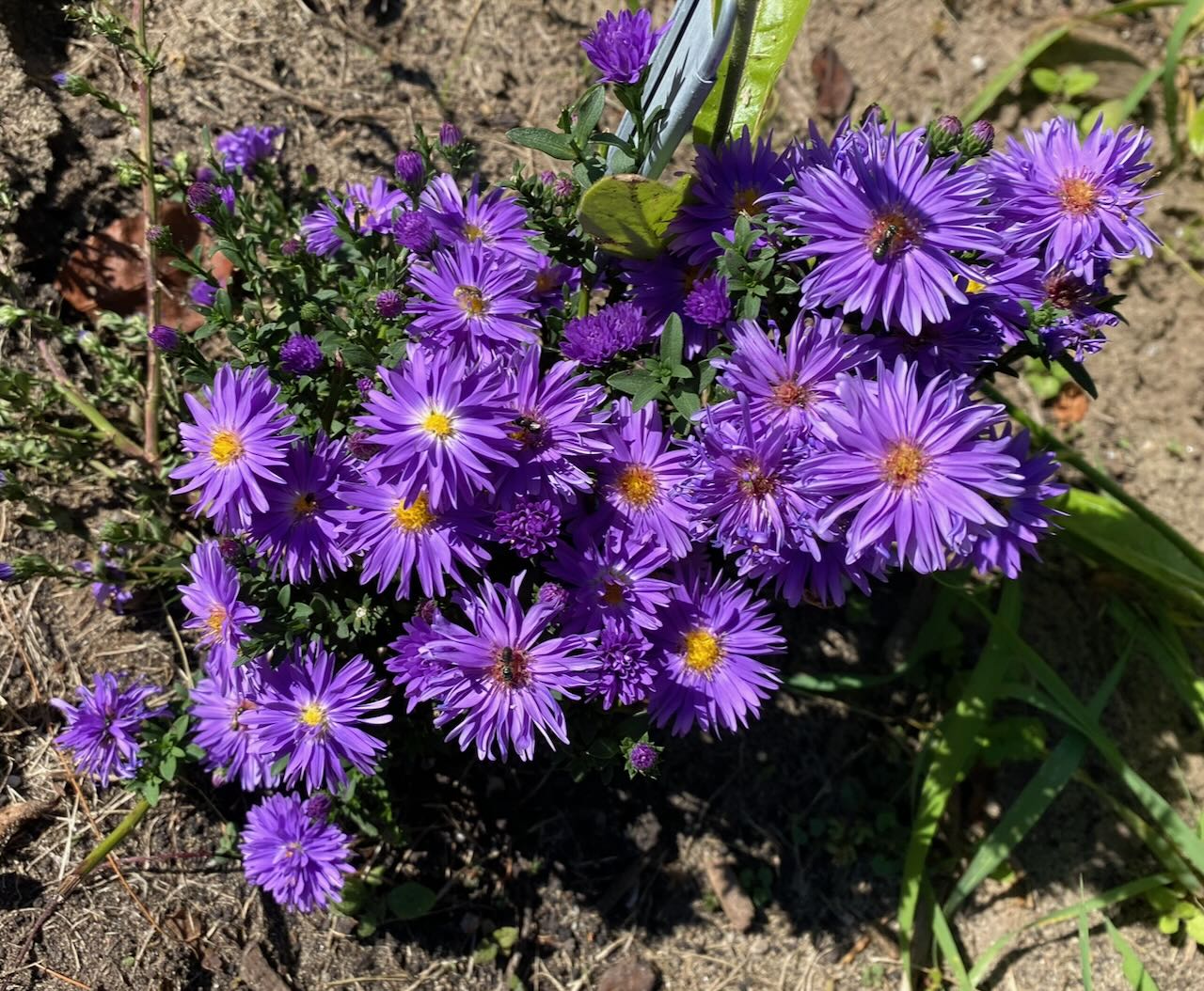
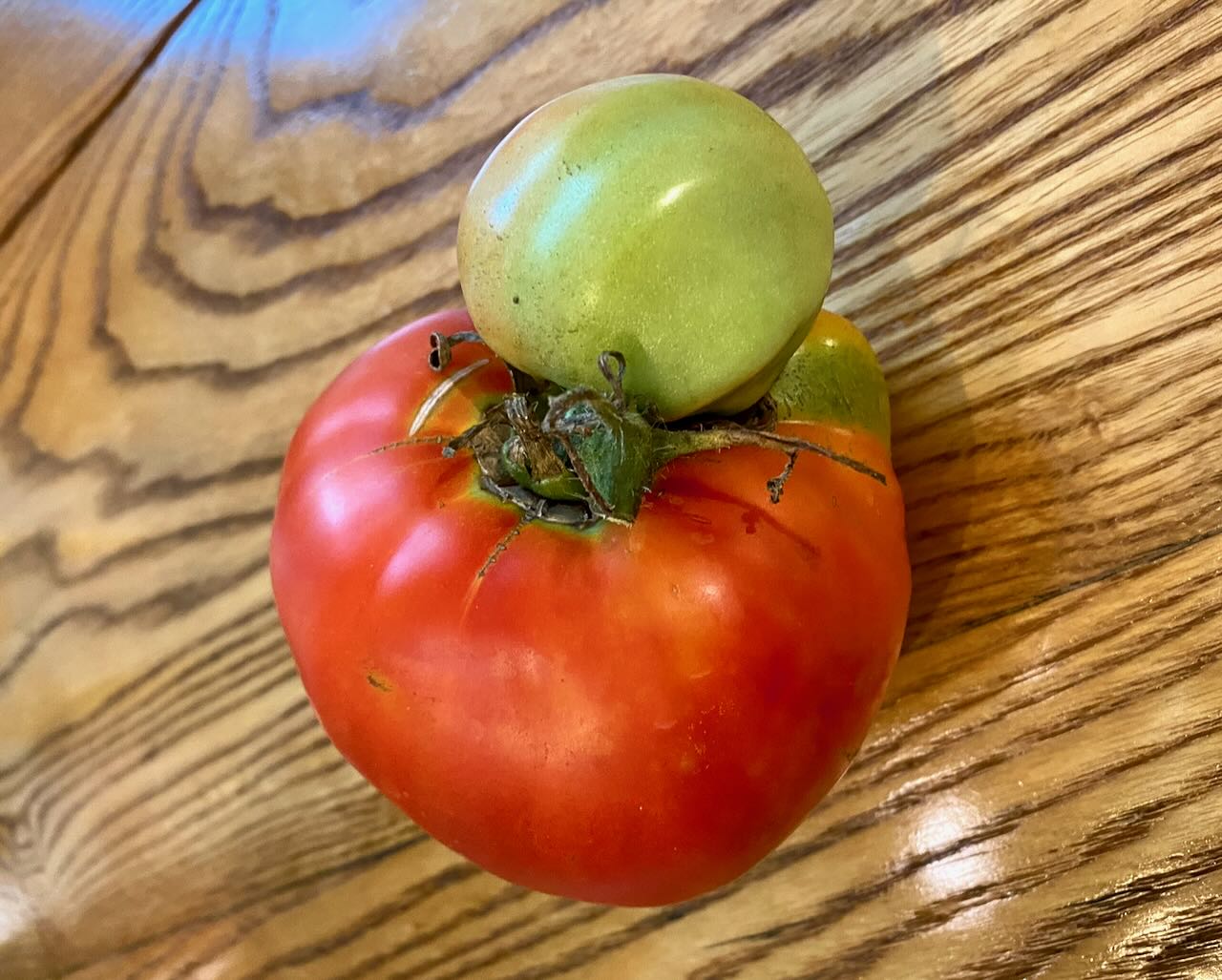
Our first frost happened a couple of nights ago, drawing a map of hardiness, protection, and resilience across the garden. The hardy perennials, like these asters, didn’t notice, originating as they do in climates that reward ability to cope with winter. Tender annuals, like my basil and tomatoes, withered and keeled over. I had already brought into the house several pots of basil and all the green tomatoes still on the vine, in anticipation of this. These are plants whose ancestors never met with winter weather, and had no need to adapt to it.

Then there are hardy annuals, like petunias. They can resist the kind of winters we had in Southern California, which did sometimes include a light frost in late December. They seem to be familiar with this and will persevere through it, but when the hard, serious frost comes, they succumb. Marigolds and pansies are also in this category. Okay, so far all is neat and clear in the life cycles of my garden plants.

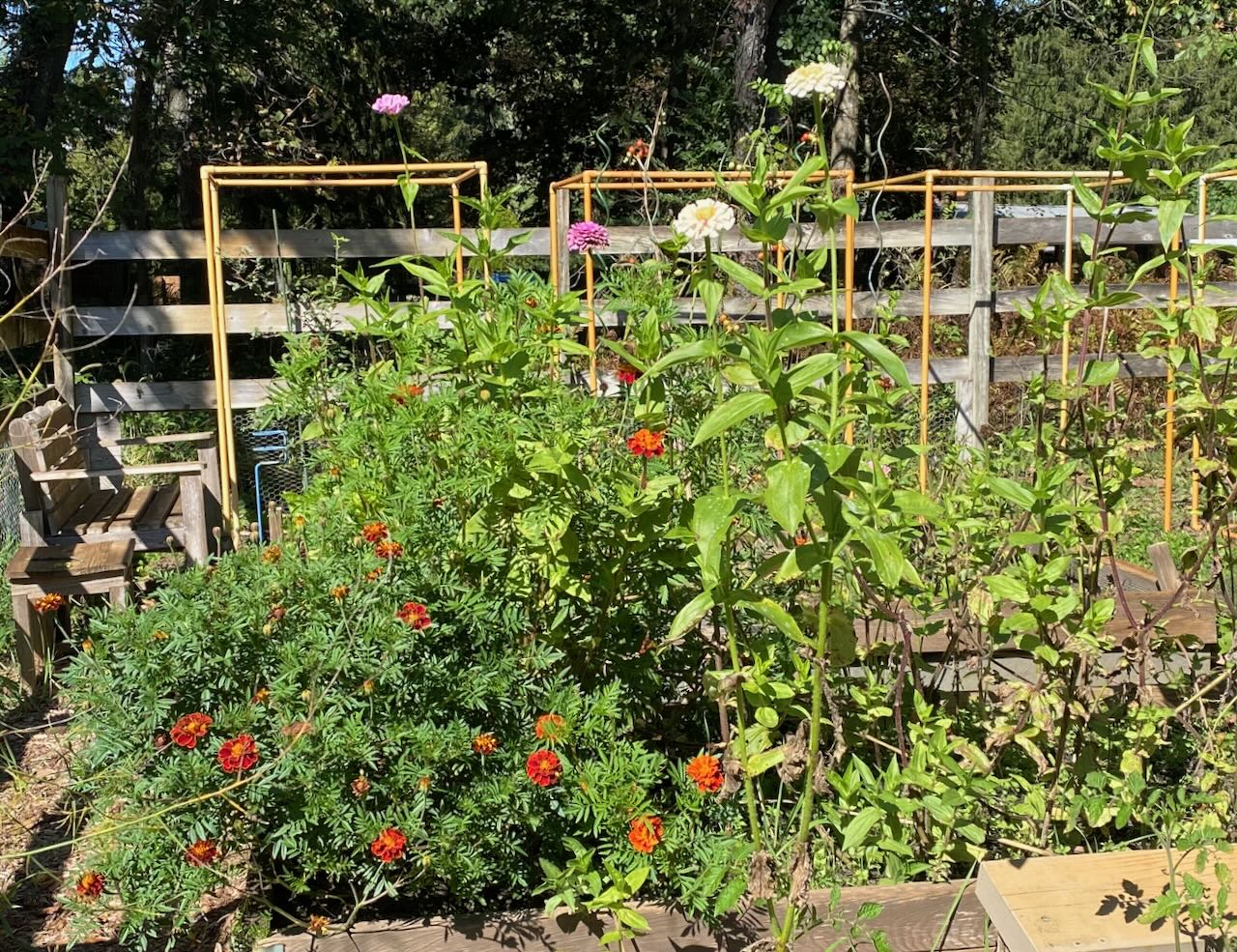
But then we have this scenario from the way back of the garden. Marigolds, check, still abloom as expected. But there’s that cosmos standing tall and happy, while all the other cosmos in the garden is dead. Sort of looks like the marigolds talked them into it. Good story, but the reality is different. There’s a tall black cherry tree just outside the picture, leaning over the garden fence enough to shelter the cosmos from the sky. The same thing that makes this part of the garden too shady for plants like tomatoes, expected to ripen fruit, offers protection from light frost.

So the resilience a plant shows in the face of frost can be inborn, or it can be situational. It’s the job of the gardener to situate the plant where it can have its best outcome. Here’s some milkweed in process of its best outcome, which is not the propagation of Monarch butterflies, but the launching of its frothy seeds into chilly autumn air that carries them into the future.

Slow to Get the Message

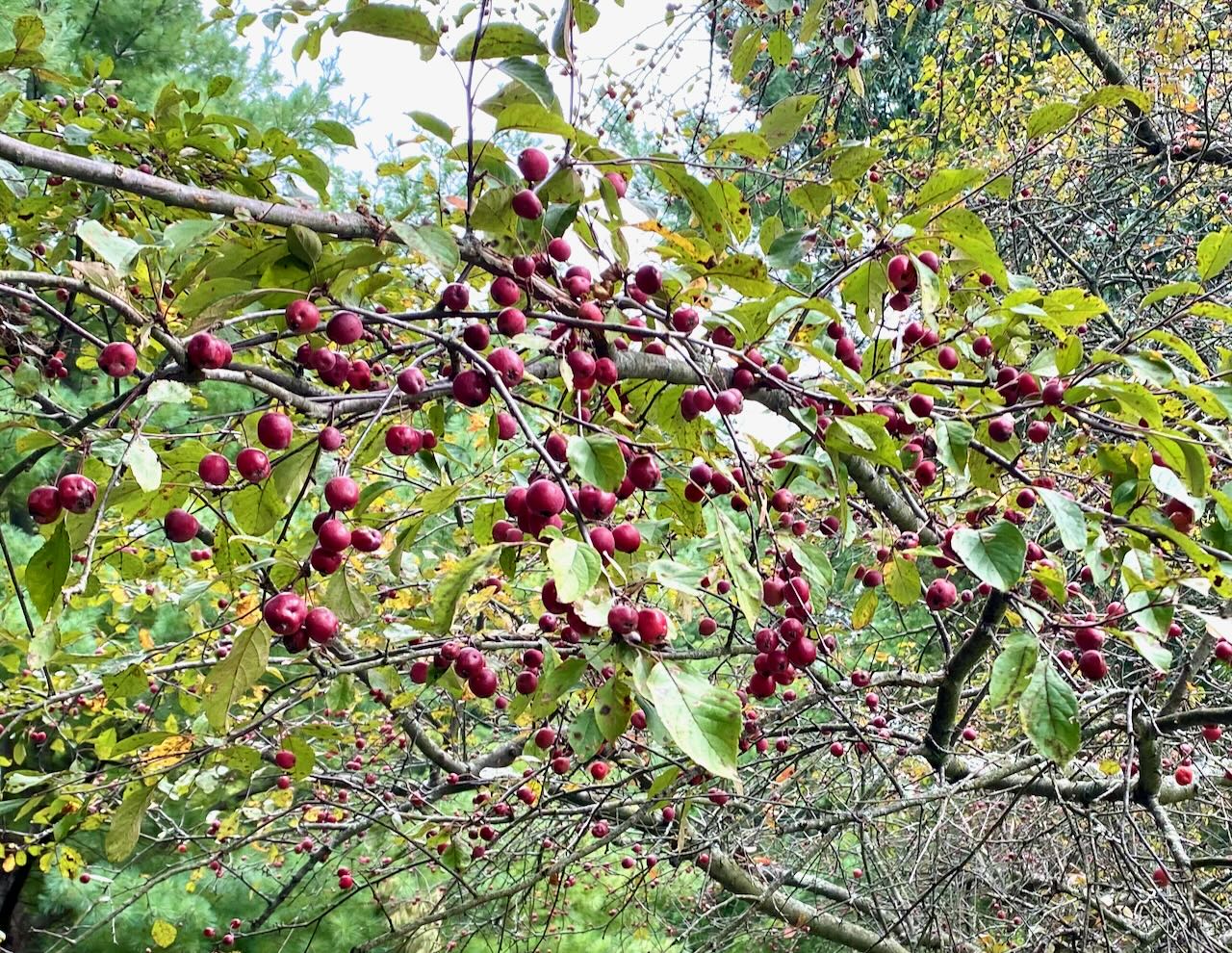
So I looked out my window at this nice bucolic scene, the deer browsing among the fallen crabapples on the front lawn. Very peaceful and lovely. Then I noticed one of the deer kept chasing another one away. They usually shared quite amicably but I’d seen this before, and this was the time of year for it. The chaser was the lead doe, and the chasee was a young fellow with just the first, nubby suggestions of coming antlers on his forehead. A button buck. She’d chase him off a short distance, he’d come back, she’d chase him off again, over and over. She was determined. I pictured thought bubbles over their heads: “Hey Mom it’s me” from the button buck, and “You’ve got those things on your head, get out” from the doe. It makes me very sad for him, but I guess this is how deer prevent inbreeding. 

It’s hard to think of winter coming, with the weather as warm as it’s been through September. It’s been giving me cognitive dissonance – on warm Michigan days I expect the sun to be up till 9:30 or 10:00 at night, but it’s setting by 7:30. No more saving yard work for after dinner: the warm weather keeps the tomatoes ripening, so I keep weeding them.

The zinnias and cosmos continue too, but as they get taller and taller, reaching for the retreating sun, they’ve started toppling over into the mini-pumpkin patch. That’s not a giant zinnia, it’s a wee pumpkin.

Rooting around under the tomatoes, I found another four-leaf clover. There’s one plant in here that turns them out fairly consistently, so I can be generous with what I wish on them. I used this one to wish good luck to young mister button buck.

Late Summer Harvest

August is summer with a difference. Hours of daylight are still plentiful, but you can feel them drawing down, heading toward the equinox. No more strolling in the garden at ten p.m.; nights are cooler; but the harvest is rolling in. Tomatoes are coming into their own, and the squash – oh, the squash. I plant yellow crooknecks instead of zucchini so I have a chance to find them before they get as big as doorstops. Even so, they seem to have an amazing ability to be four inches long one day and twelve inches the next. I would be tempted to say they’re called squash because they squash anything else trying to grow near them, but being a wordsmith, of course I looked that up. One kind of squash comes from “quash,” a Middle English word now used chiefly for subpoenas, and the other from “asquutasquash,” from the Narragansett. It sounds like the Narragansett people taught the pilgrims how to eat some kind of squash they’d never seen before. 

The Narragansetts would also have had blueberries, a native North American fruit. I came across an argument online about whether the Indians called them “starberries,” but was unable to delve into it because AI kept changing “starberries” to “strawberries.” Thanks, but I’m well aware that no one calls blueberries strawberries.

The flowers that produce seeds instead of fruit are also hard at work generating harvest. The seed pods of my California poppies are so elegant, I have sometimes tried to preserve them. They’d look lovely in a dried flower arrangement but they always burst open, their goal achieved despite my desires.

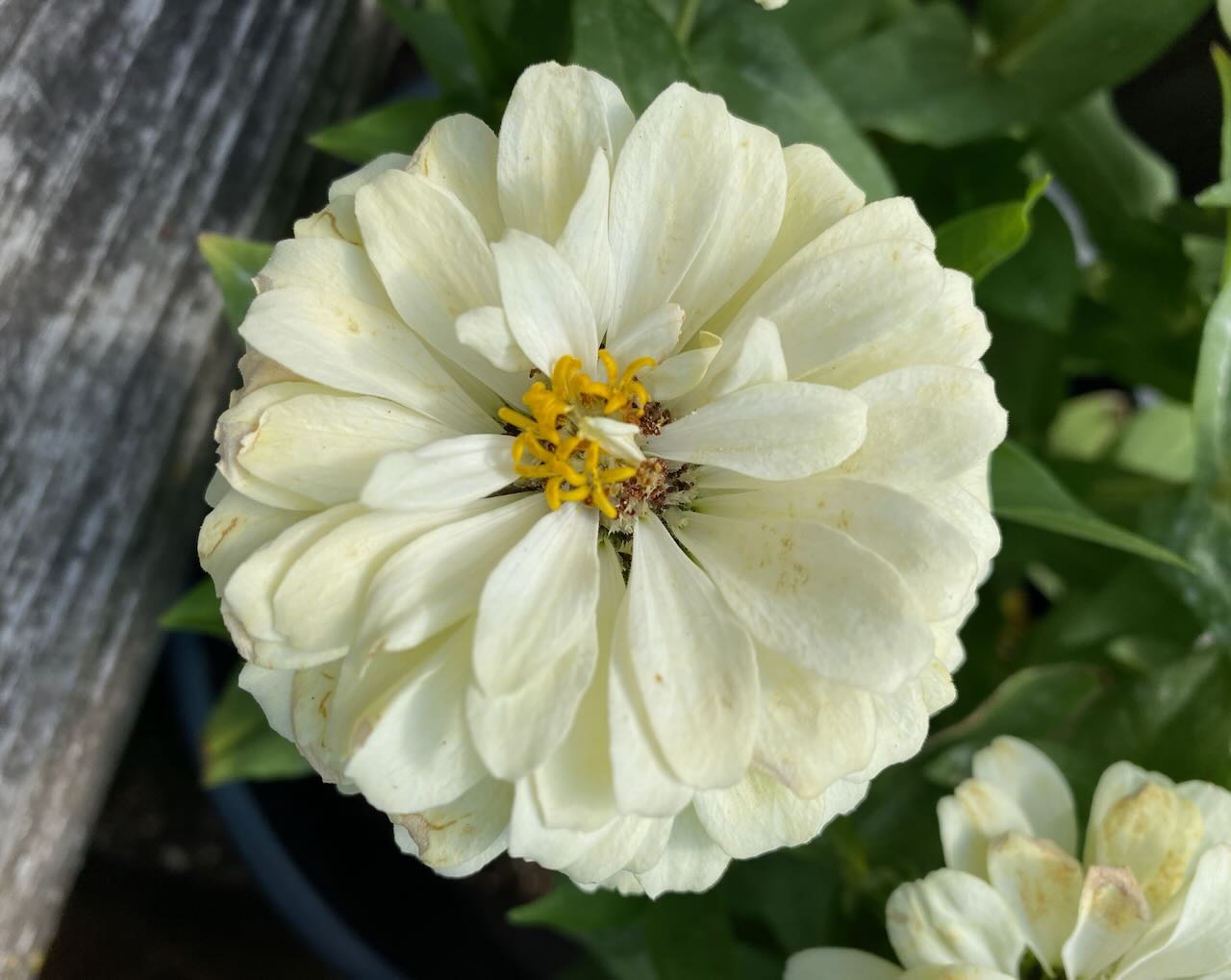
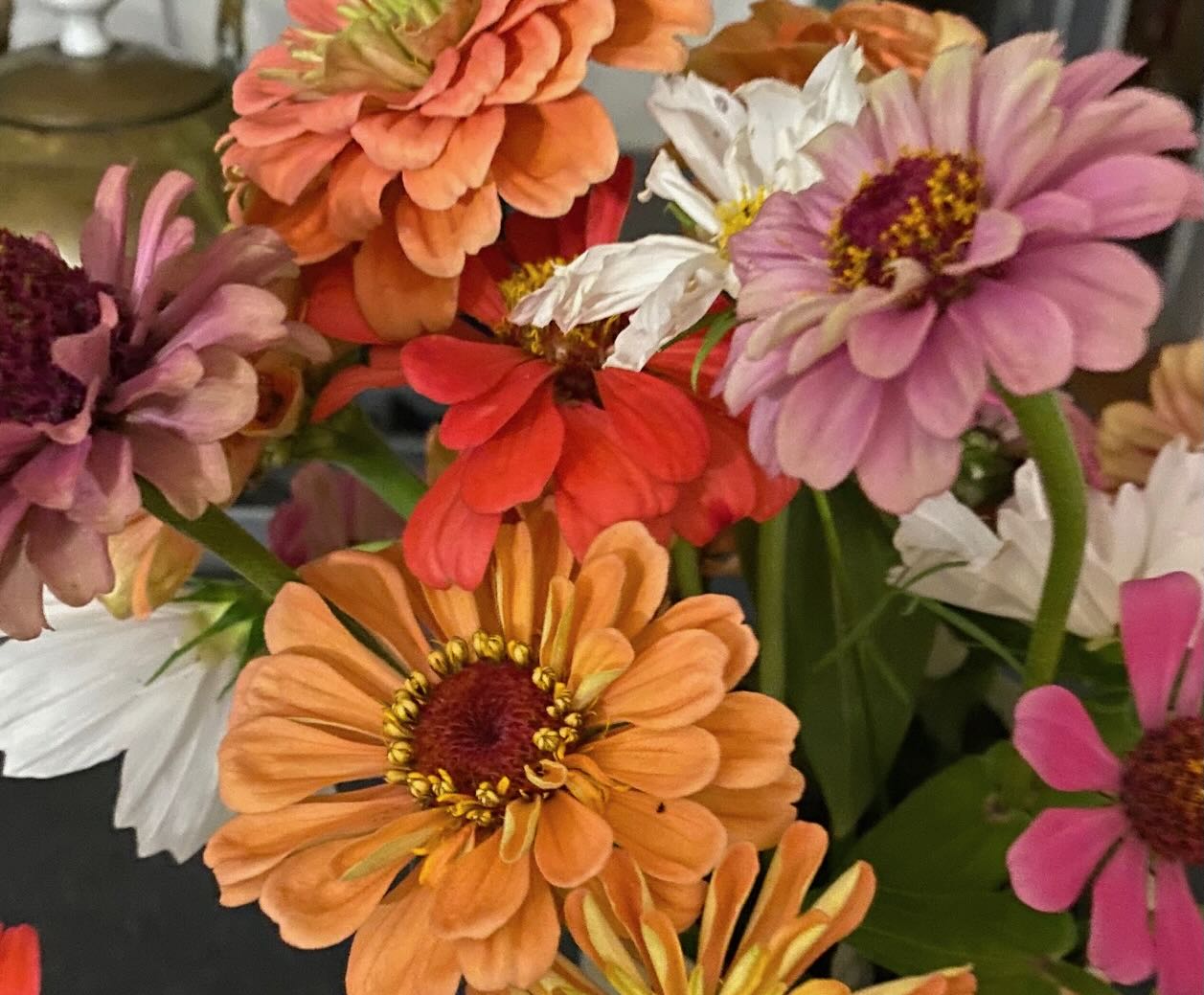
My zinnias produce new flowers and ripe seedheads in equal numbers right up till frost. They’re a mainstay of my bouquets, so I was disturbed one morning to find the petals munched off of a few of them. I spent some time searching carefully for miscreant bugs in need of control, but none appeared. A bit later, looking out the kitchen window, I laughed to see the riddle resolved: it was a goldfinch, ripping seeds out of the still-petalled seedheads. The petals fell to the deck, where they soon turned an inconspicuous brown. The stems bent over when he landed on them, but not so as to interfere with his snack. The really funny thing was that I was looking right at him thinking he was a bright yellow Cut and Come Again zinnia blowing slightly in the breeze, until he moved enough to show the black stripe on his wing. He was gone before I could get a photo of him at it.

Shoulder Season

When I moved to Michigan I learned a new term — shoulder season. This being Ann Arbor and Brady Hoke’s football team being where it was then, I thought it meant crying on someone’s shoulder between sports seasons. I was fond of Brady Hoke and hoped he’d do better, because he said he’d walk to get to Michigan and that was how I felt about it. But now here I was, and as winter slid into a spring too warm for sweaters and too cold for shorts, the meaning of the term came clear to me: not on the main path; sloping off from one place to another; like the shoulder of a road. Transition. 

Here are my red poinsettias, out enjoying the sunlight that will slowly turn them green, a color they will keep until I bring them inside come fall, and daylight lessens, and they turn red again.

Here are violets in strong profusion, while morning glories in pots to either side are barely sprouting. The violets will wither in the coming heat, but the morning glories will move in and take over.

Here are yellow alliums and purple chives in bloom, while behind them milkweed has a long way to go before it flowers and feeds the monarch butterflies.

And here are Siberian iris spearing their way into a showy blue drift under the ornamental pear tree, whose flowers are already turning into fruit the deer will eat in August. Deer can be total pests but it’s strangely comforting that, despite my efforts at deterrence, they come back, resilient in the face of adversity. Fight the good fight, deer. I appreciate that more today than I ever have.