Weather and Heat

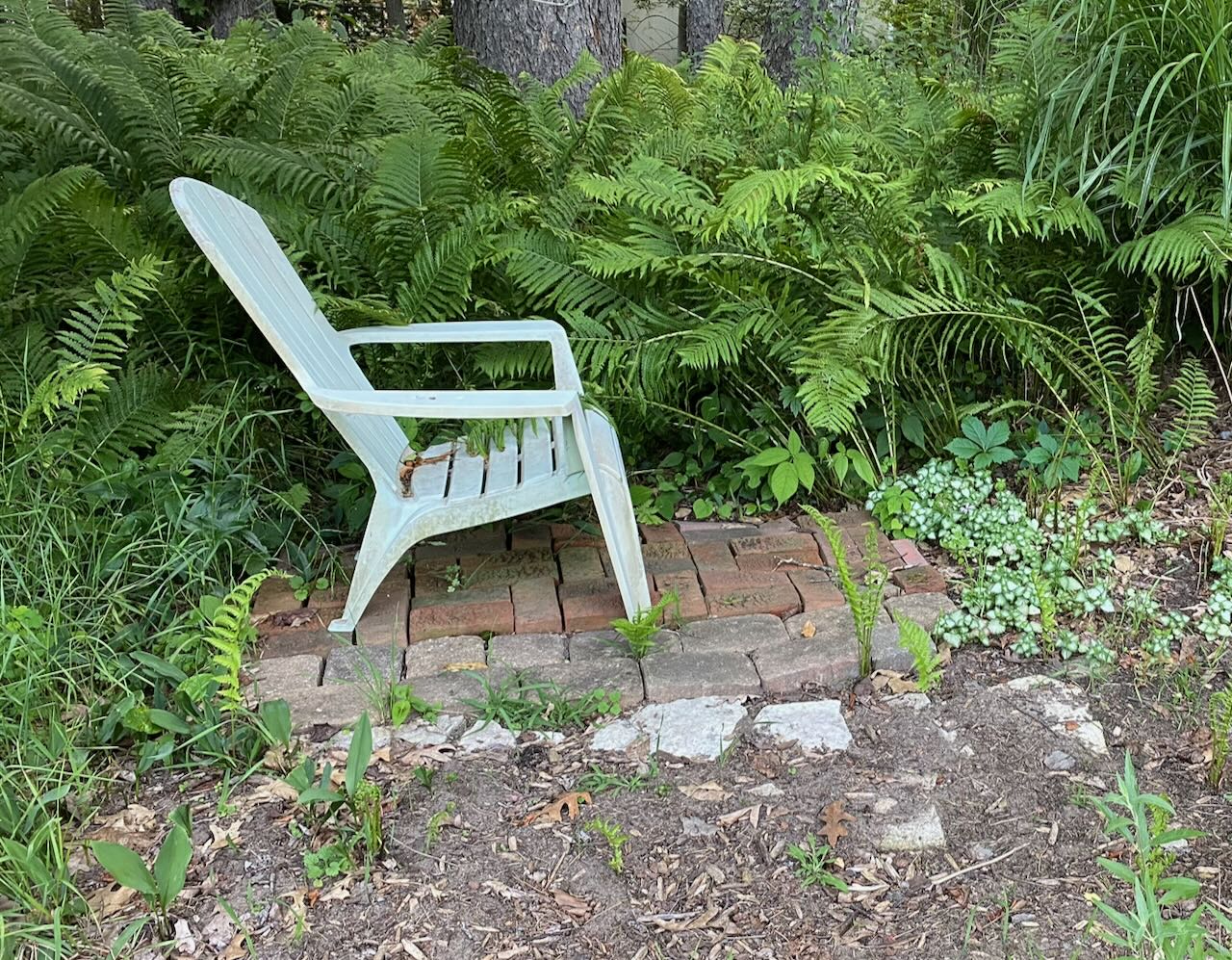
July weather has arrived, and Doug and I are having our usual disagreement about it. Eighty degrees is hot, he says, a typical Michigander view. Eighty degrees isn’t even warm enough for a sleeveless dress I say, a Southern Californian. Dry California heat is different from humid Michigan heat, he tells me. Yes, I say, but I’m sitting right next to you here in humid Michigan and I say it’s not hot. Then I go sit in a shady spot under a tree among the ferns, and he misses out, though he doesn’t consider that he’s missing anything. And I do worry that if I sit there too long the ferns will engulf me – look at them trying, inching up between the bricks, swamping even the lilies of the valley. 

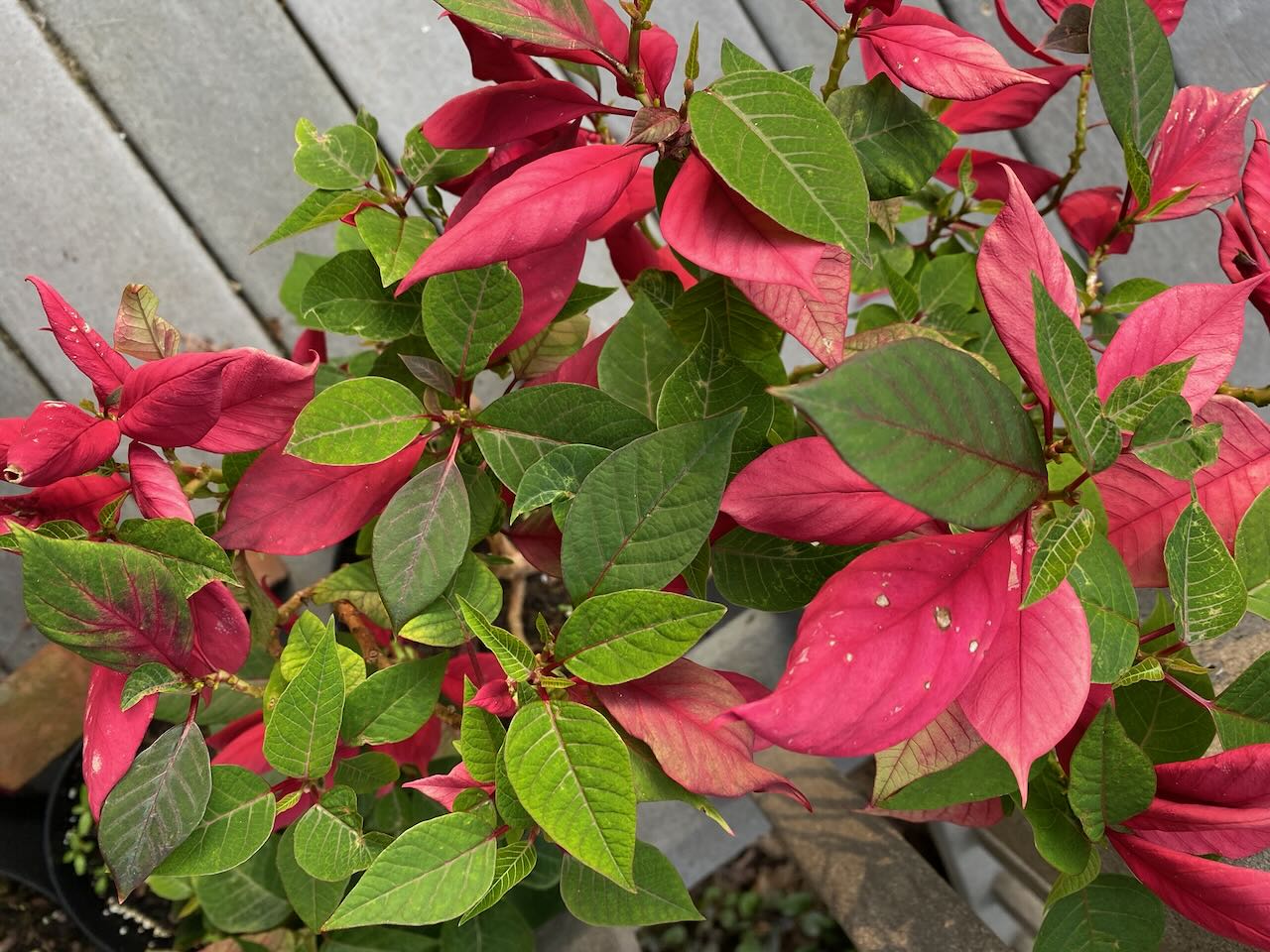
The poinsettias, like me, enjoy coming outdoors for the summer. They had grown so thin and weepy indoors, this vacation was just what they needed, pulling a new green summer wardrobe over their heads; summer camp for Christmas plants. But I know I can rely on them. Indoor winter light will turn them red again when the time comes.

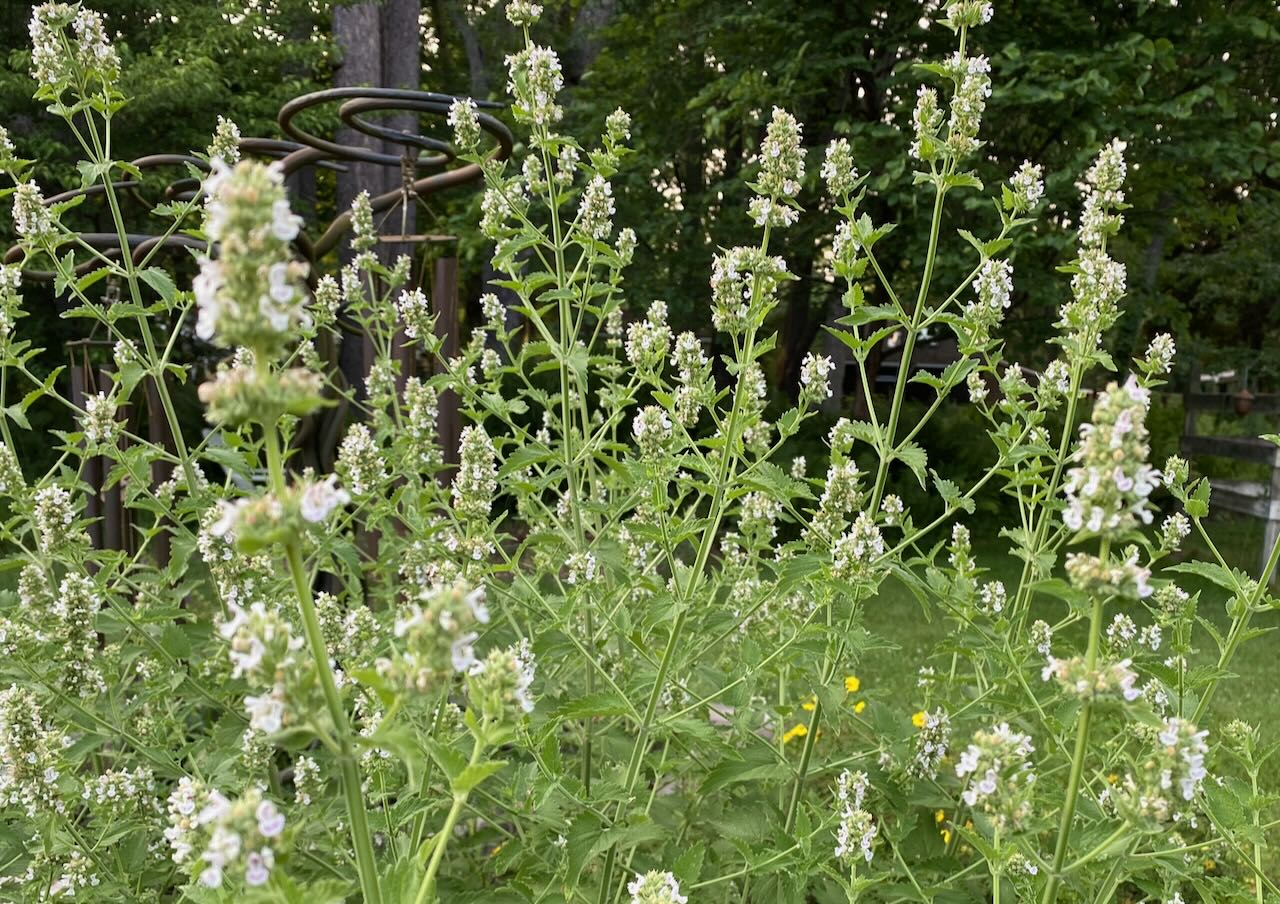
In a Michigan summer it doesn’t get dark till after nine at night. There’s plenty of light to grow things like this gigantic swath of burgeoning shrubbery, four feet high and about as wide. One search engine thinks it’s catnip and one thinks it’s lemon balm, but I didn’t plant either of them so, whatever else, it’s definitely a volunteer. I brought some in and Frassy rejected it as catnip, but she’s picky about her treats.

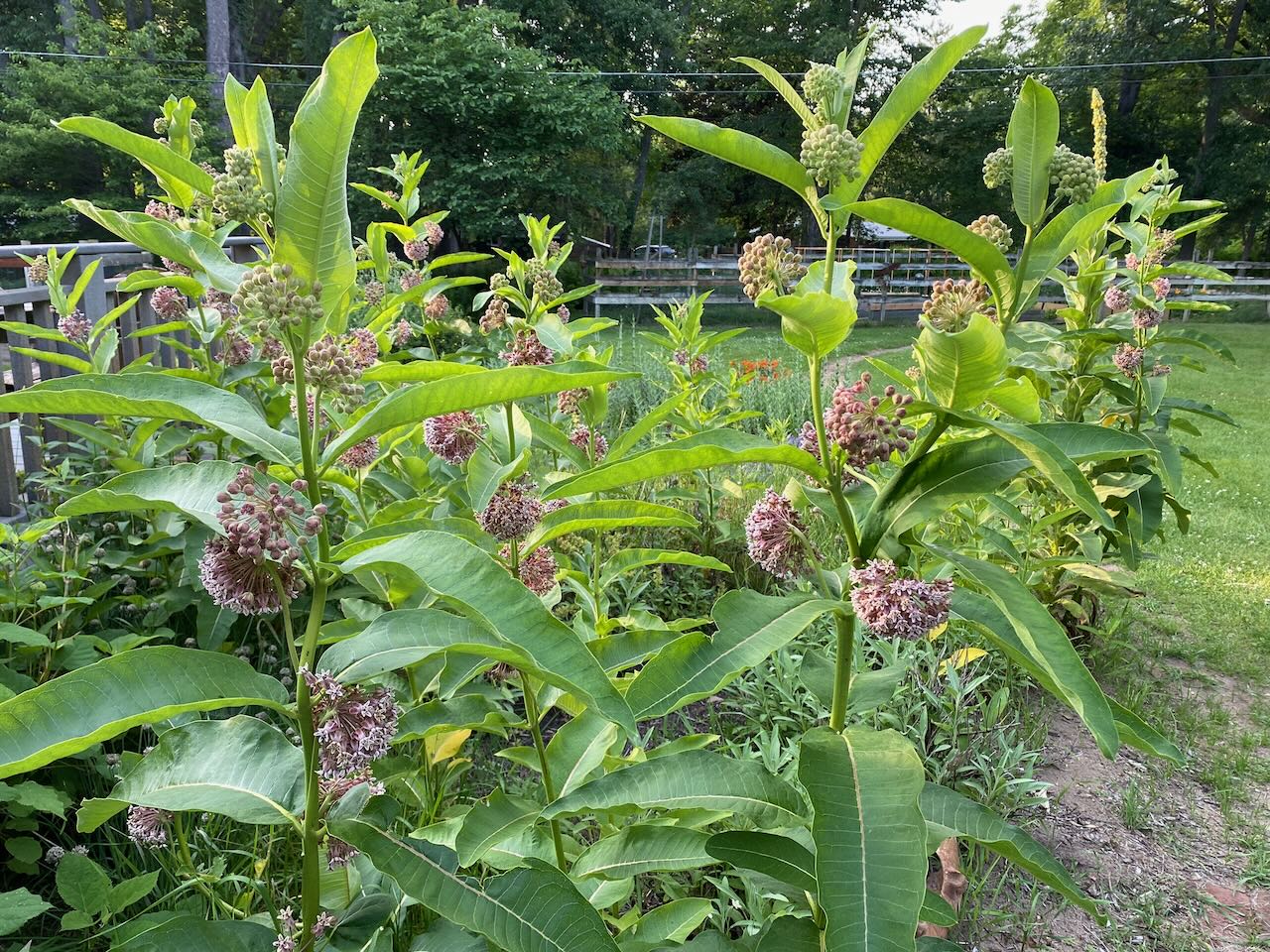
Last year’s milkweed was from deliberate seeds, but this year they have added to their number on their own account. They look ready for entire flocks of monarchs, but as yet I’ve seen only two dancing attendance on them. Is it too hot for butterflies? Milkweed is toxic to most animals, so I was surprised to find some of the mid-height leaves munched off, as if by deer. We have three new fawns, inexperienced enough to eat something like that. I’d be happier if it was the woodchuck but she’s too wily.

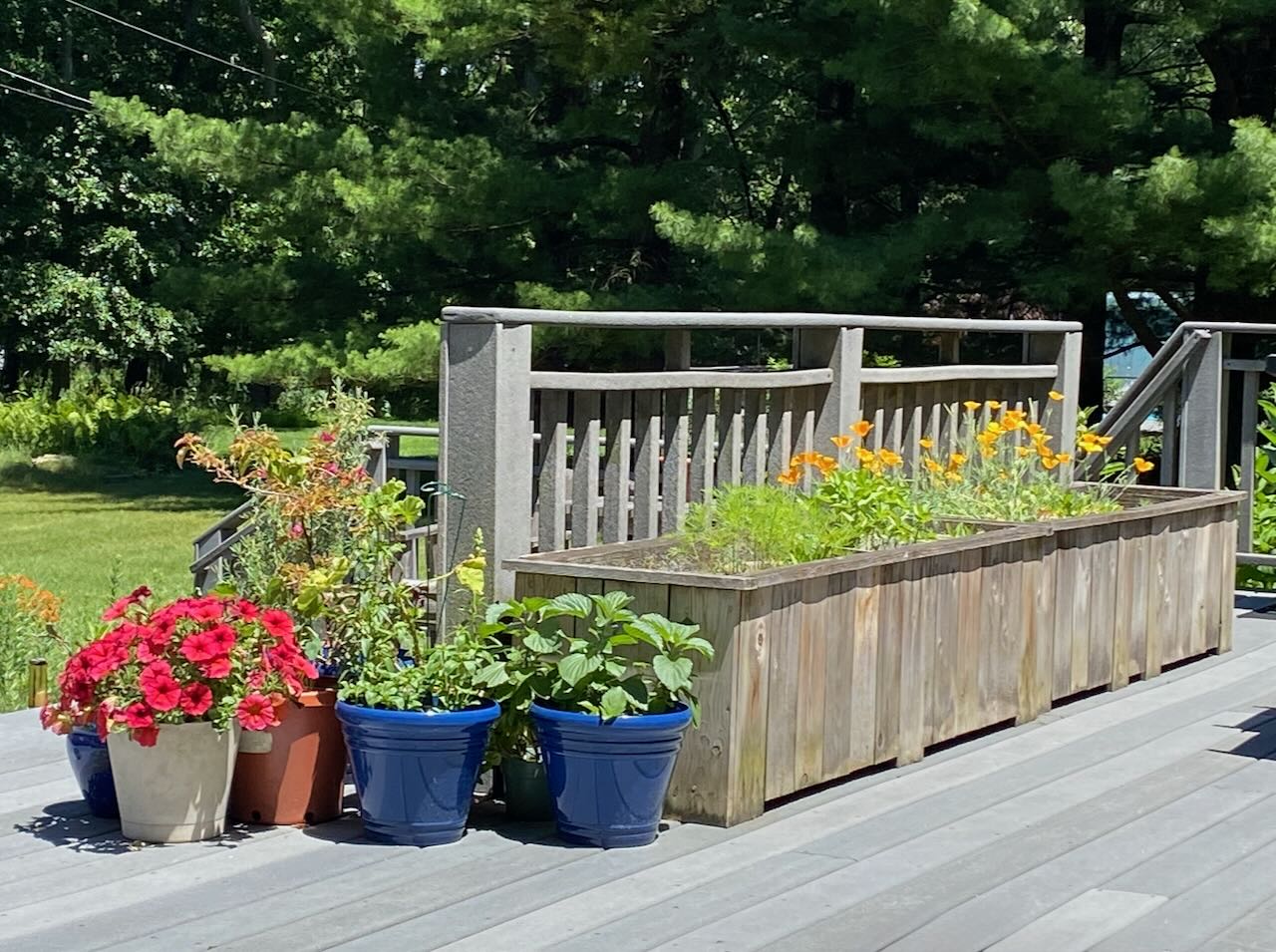
There’s also a mix of the deliberate and the accidental on the deck. The purchased petunias, taking the opposite route from the poinsettias, are going for a hot, summery red. Behind them the bougainvillea, after sulking tragically indoors the last few months, is stretching every finger in the sun and heat, just beginning to get the polish on its nails. The other pots are mostly full of greenery from zinnia and cosmos seeds I started a few weeks ago, but there in the middle of them is a glorious flash of California poppies, volunteer repeats from last summer. The seed must have survived the Michigan winter and frosty spring, waiting it out until the soil warmed up and local conditions matched its native needs. The poppies rose to the occasion. They’re split decision between me and Doug – eighty degrees is not too hot for daytime, but way too hot at night. As nights warm up they fade, waving goodbye in a fall of petals and fine seed. They’ll be back.

My Dad

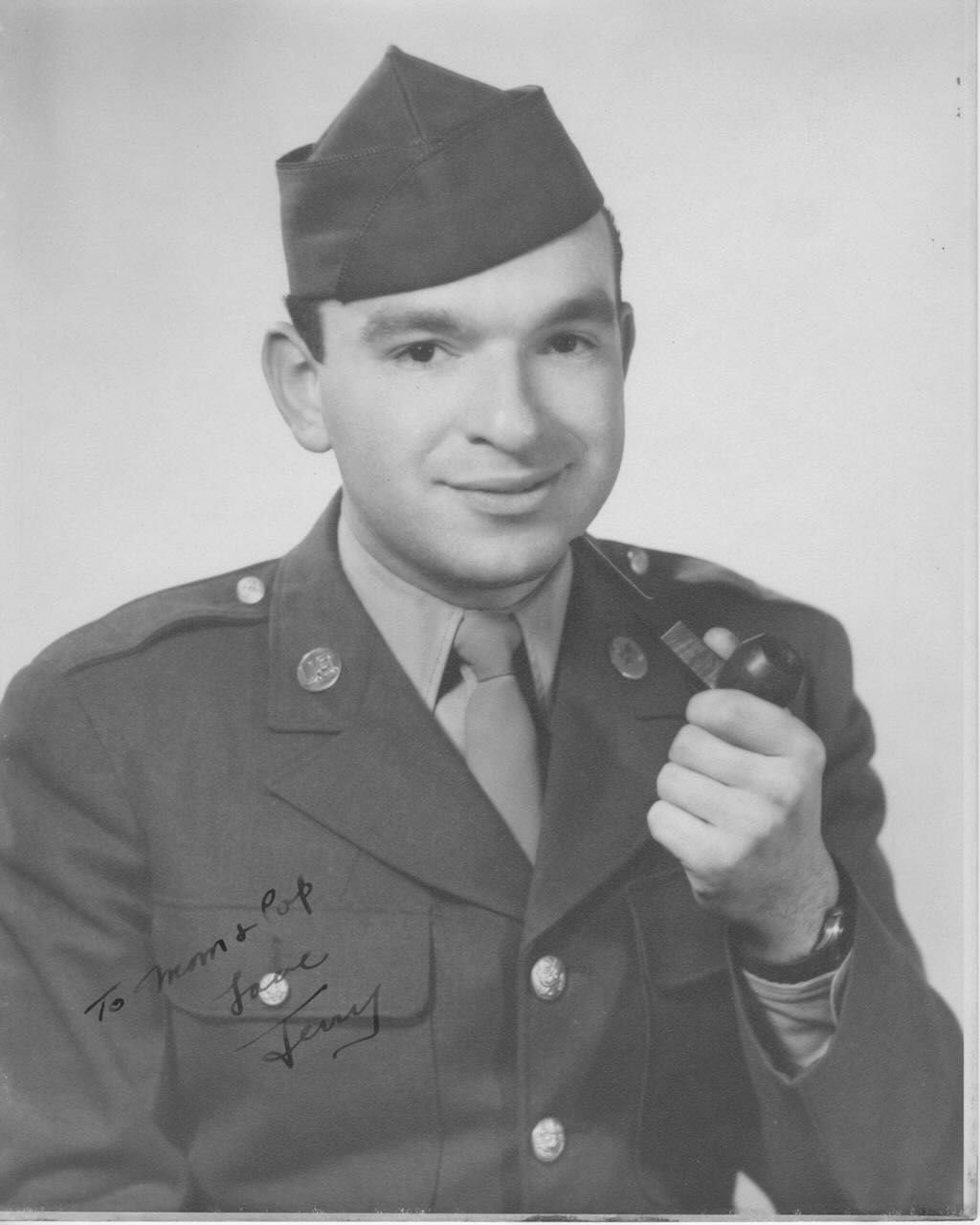
Father’s Day is next week, and my favorite bookstore is full of cards for the occasion. Some are funny, some are tender, and they all make me a bit sad, remembering my Dad, and a bit happy, remembering my Dad. Like many men of his generation he served in World War II, and I probably wouldn’t be here writing this if that hadn’t been the case. He was born and raised in Brooklyn, my Mom was born and raised in a tiny town in Texas, and they only met because the Army Air Force stationed him in Amarillo Texas. This fact has often led me to muse that the purpose of war is not world domination, but rather the stirring up of the gene pool. It would explain why, despite all these millennia of killing each other, there are more of us all the time.

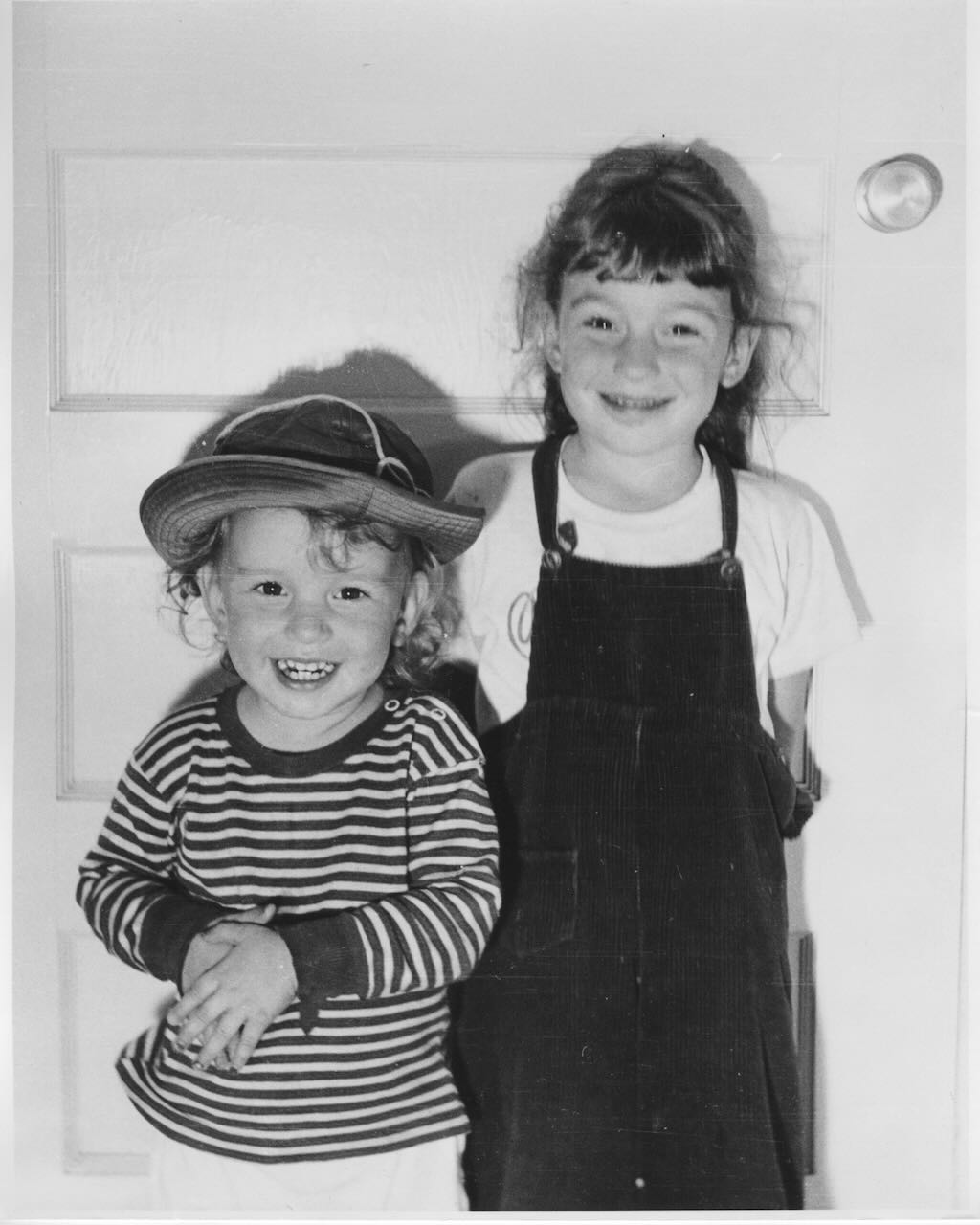
After the war they worked their way back to New York, to a house in the suburbs and, eventually, four children. This was Dad’s favorite picture of the first two of us – me and my older sister. Dad called us his “hobos.” I remember that hat, which I wore for years until either I outgrew it or it fell apart. There has never since been a hat so fine to wear.

Dad was a wonderful photographer, shooting black and white film and making gorgeous prints. I used to watch him in the darkroom, waving his hands between the enlarger and the photographic paper, a magician altering exposures for emotional depth. I always thought his prints were museum worthy but, trained as an engineer, he denied being an artist. He always encouraged and supported me in my own work as an artist and poet, and claimed he had no idea where I got it from. He said he “didn’t get” poetry. Then my Mom slid into dementia, and I showed him a poem I wrote about it. And he said, “Now I get poetry. It’s like why I take black and white pictures instead of color.” 

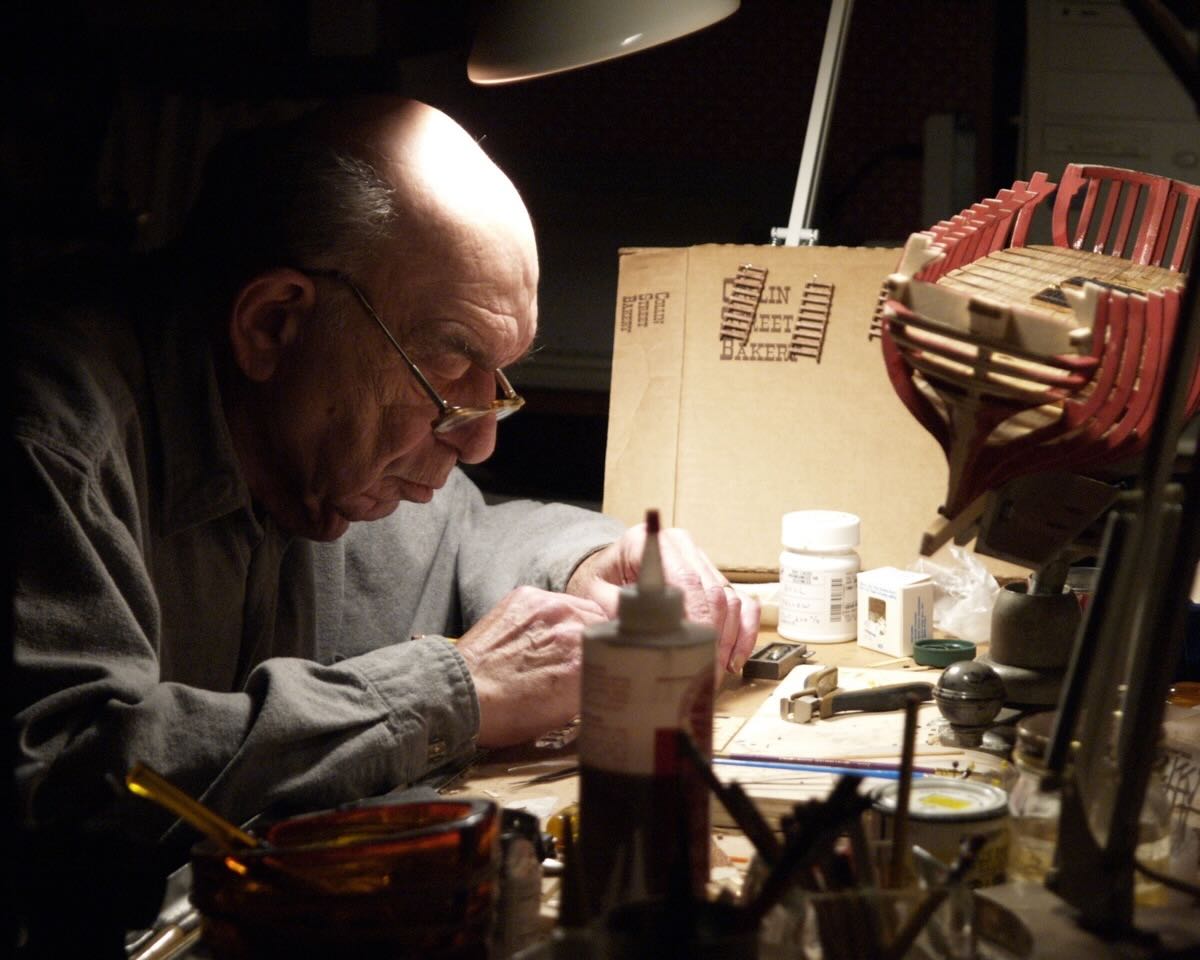
He had other hobbies, too – a wood shop, a metal shop, restoring antique cars, shooting at a rifle range. He taught me to shoot what we called my mother’s .22, though I never saw her shoot it. When age made it too hard for him to use his shop equipment, he built model ships. I have his model of  The Victory here, in a town unexpectedly suitable for the name. I have many of his custom-made tools, too, repurposed for my crafts. Writing this, I can see where I got my propensity for running many creative outlets at once.

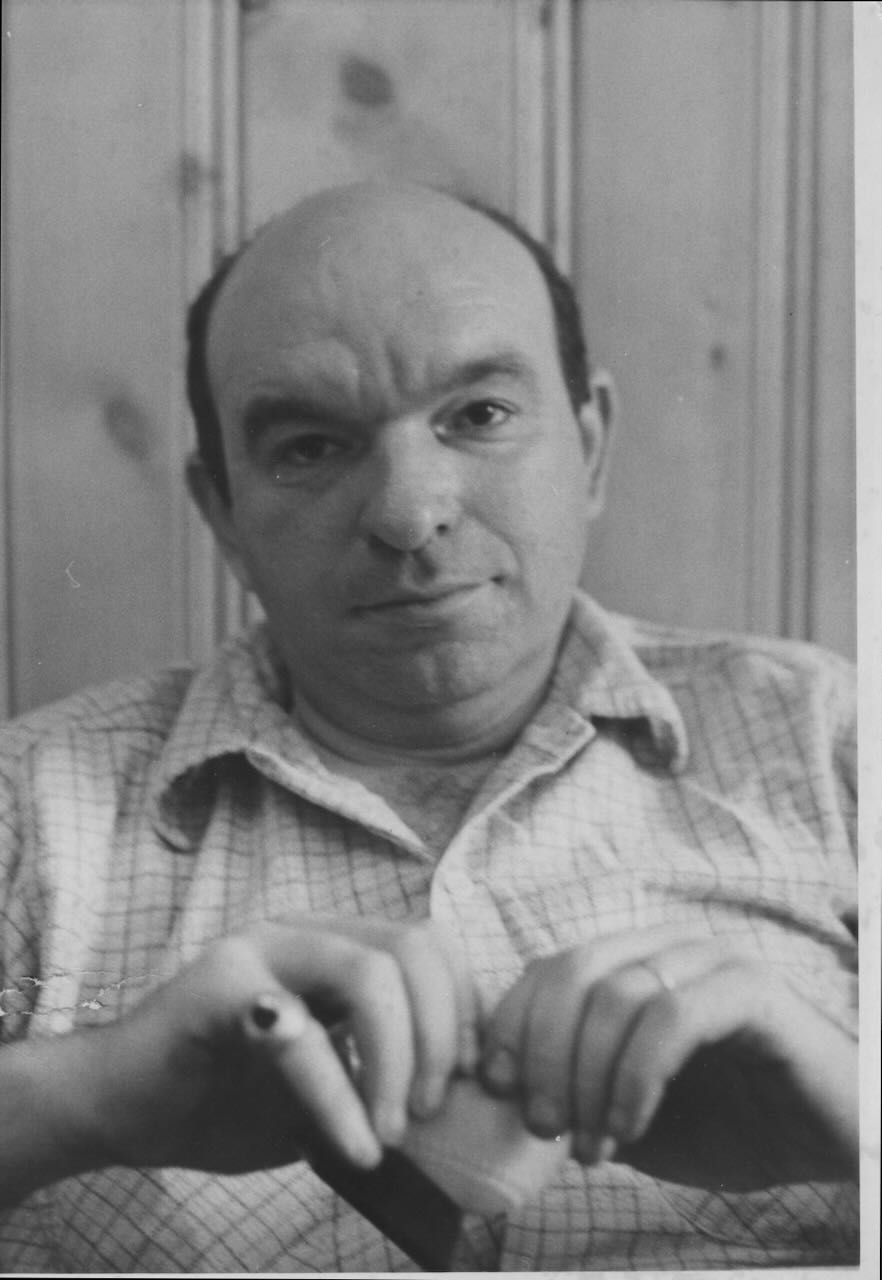
He also gave me my love of classical music, which was always playing when he was home. He gave me my first serious camera when I was a teenager, and this is a photo I took of him with it. He looks – well, a little amused, a little proud, a little indulgent. This is how I remember my father’s face; a face it always made me happy to see. Happy Father’s Day, Dad. 

What Heaven Would Be Like

In my father’s heaven, there would be
perpetual restoration of antique cars.
The needed part would turn up
at the perfect moment,
just late enough
for deep satisfaction.
Authentic colors of paint
would line his garage,
real wood for the dash,
real leather for the seats,
and none of the necessary clanging
of this ecstatic work
would drown out Moussorgsky,
Tchaikovsky, or Zarathustra.
In my mother’s heaven,
there would be no workshops.
My father, coming in 
from the harp-strung air,
would listen only to her,
and however wild and incredible
the stories she told,
he would believe them,
and they would be true.

published in The Kansas Quarterly

Olympics and Valentines

This week I’ve been watching the Olympics, where athletes ski dangerously fast down dangerously steep slopes, slide across rock-hard ice on narrow steel blades while carrying other athletes or leaping into the air, wheel up and down curved walls on small boards, and do other activities where they are subject to, and frequently suffer from, very hard falls with dire results. After which a reporter holds a microphone to their exhausted lips, and they say it was fun and they loved it. 

As a person whose idea of a great time in February is sitting in a chair by a window, listening to music, drinking tea, writing, and taking the occasional photo, I have a hard time wrapping my head around this. Not only how do they love doing their sport now – how did they love it enough to do it enough to get this good at it? Then I hear their stories, how they knew it was who they were from an early age, and I understand that. I’ve felt I was a writer since I was eight years old. Something catches you by the heart, and there you are. Maybe you were born to do it, maybe it came sailing to you from the outside world, or maybe it’s some of each, but it nestles into your nature one way or another and you can’t not do it.

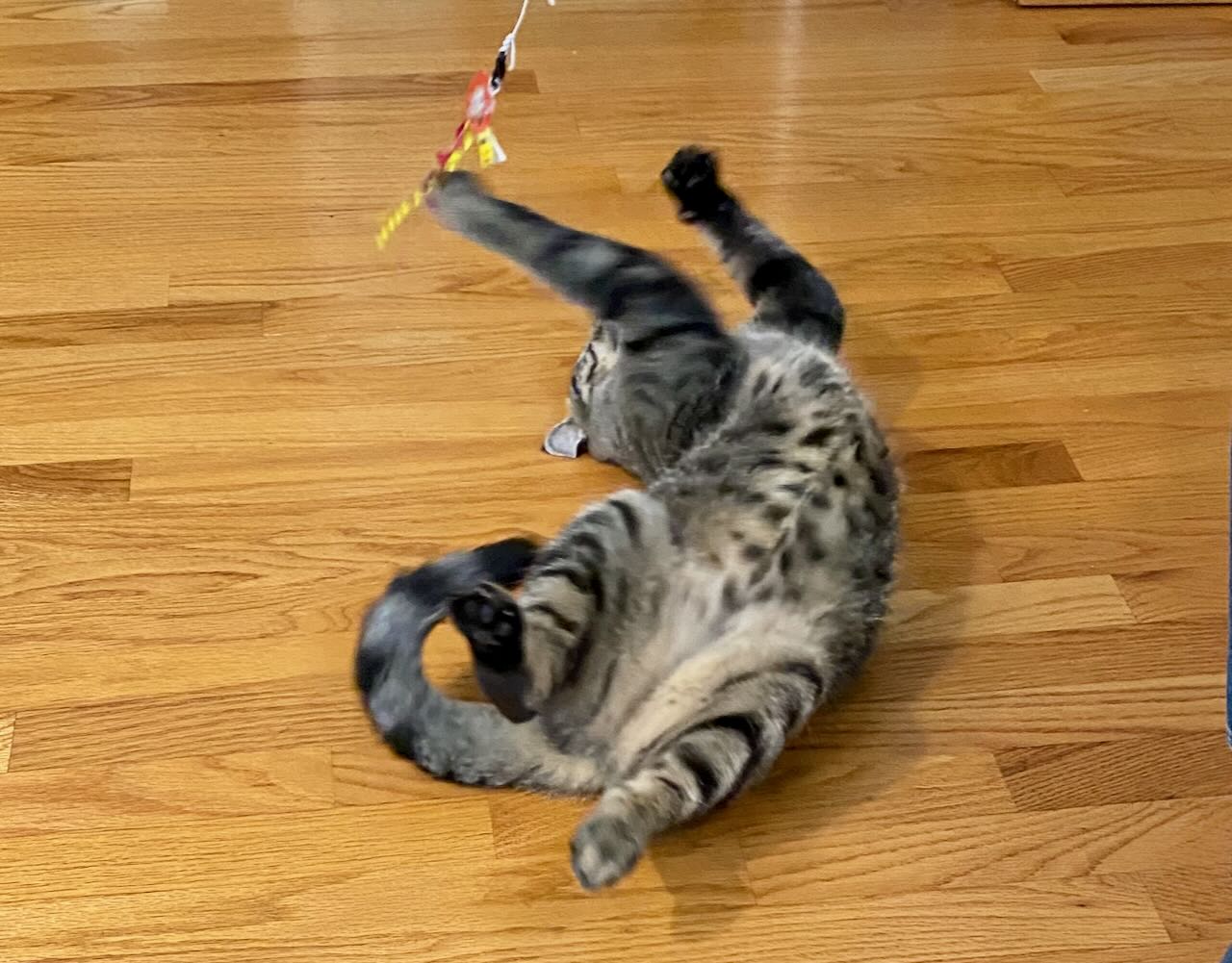
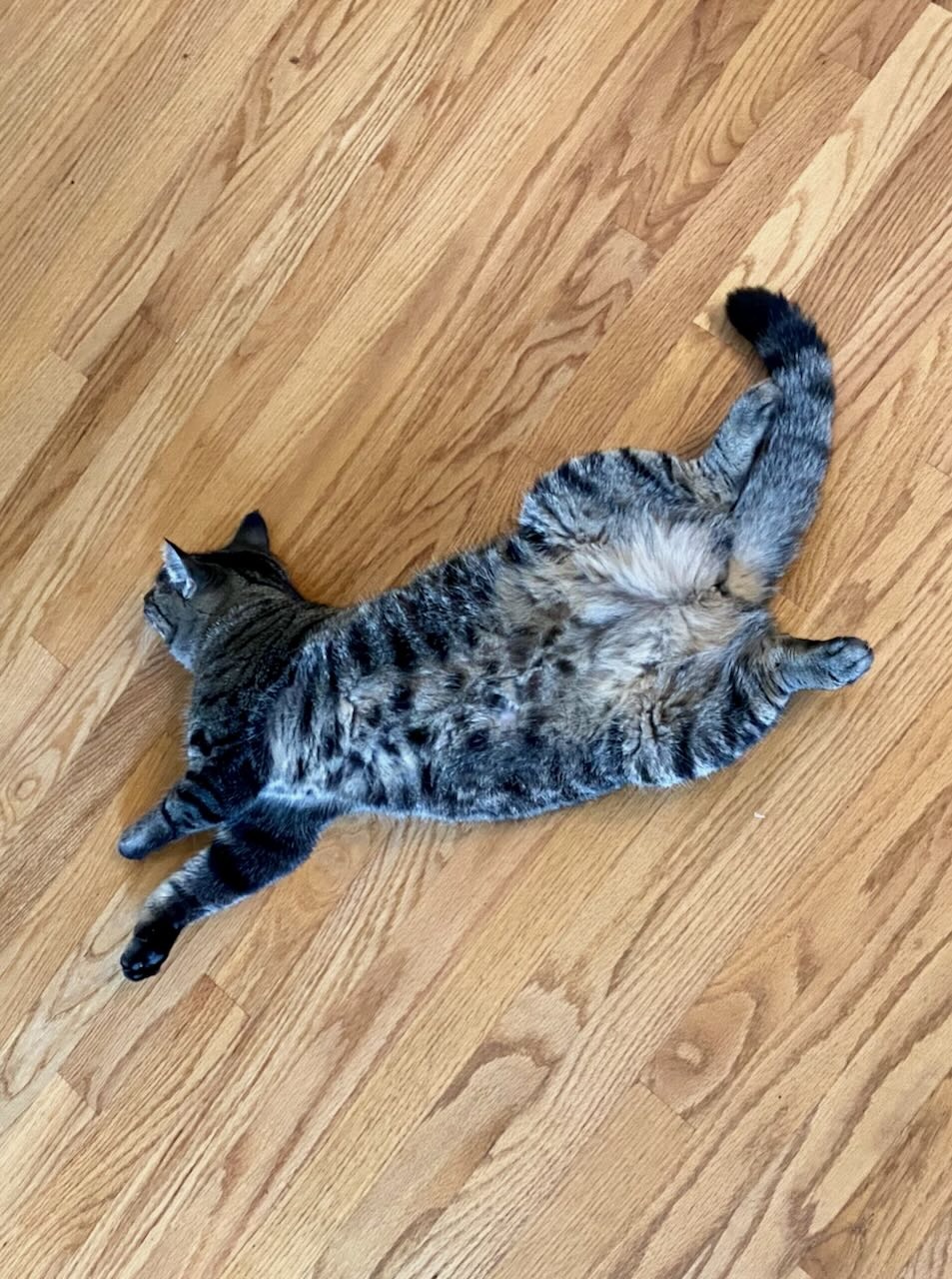
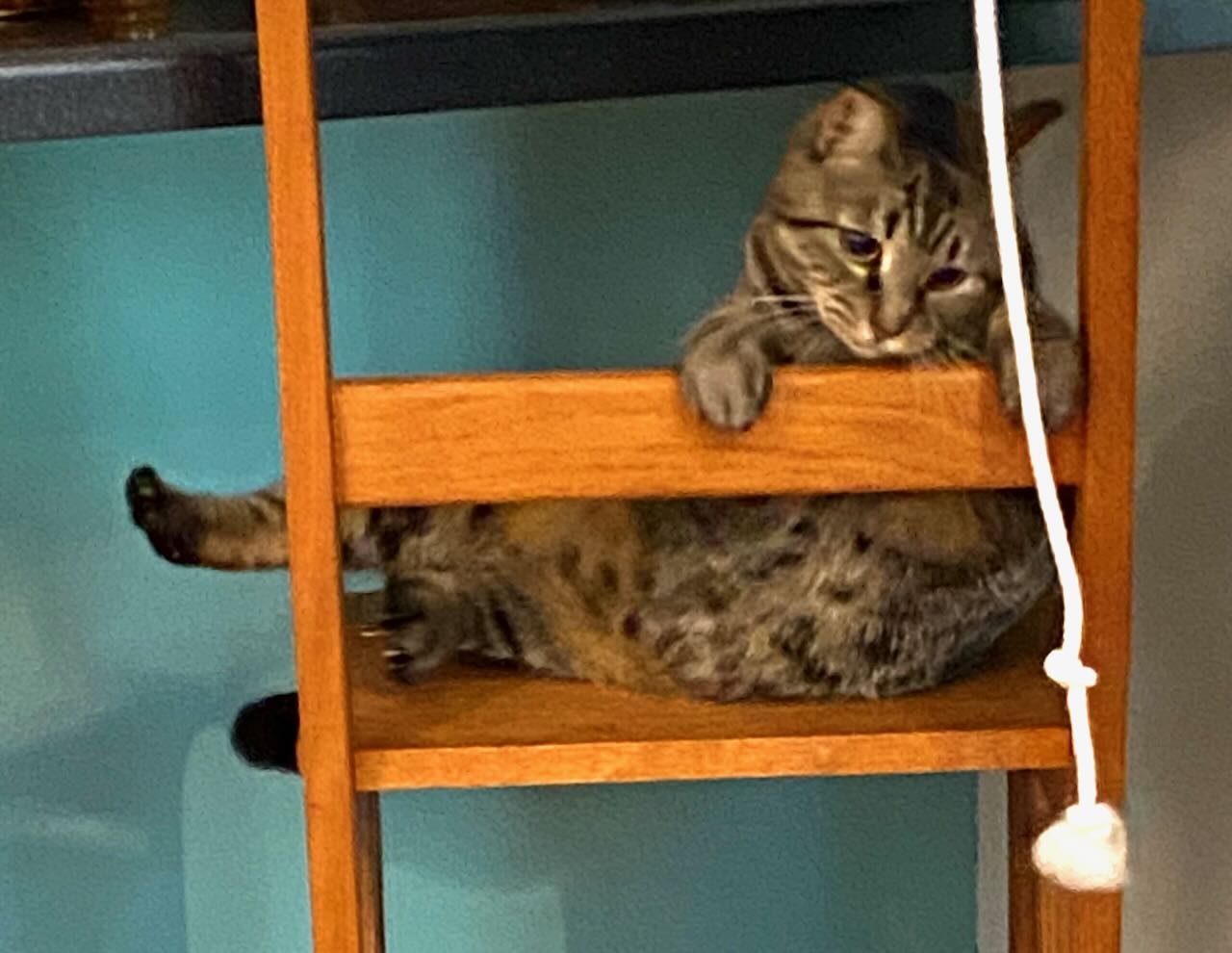
The closest we have to an athlete in our house is definitely Frassy, born fully equipped for hunting birds and mice. Mice show up from time to time, but she’s adapted to the lack of birds indoors by playing with feathers we dangle from a string. In the absence of even that, she makes moves anyway. I can’t say if she loves what she does, but she definitely can’t not do it. 

A very wise friend used to say “Love is not what you say. Love is what you do.” He was speaking of love in human relationships, but I’ve come to feel it applies much more broadly. It’s the way champion athletes love their sport. In fact a democratic civilization is built on saying anything you want, as long as you’re respectful in what you do. Love your neighbor, your city, your country, your world – it’s all in what you do. I hope you all got sweet, kind Valentine’s Day cards yesterday and gave and got kind deeds to go along with them.

Instead of counting medals as I watch the rest of the Olympics, I’ll be looking for more stories of how people fall in love with the crazy endeavors we call sports, and thinking about how anyone falls in love with anything – a sport, a person, anything. Some take losing harder than others, but it seems for many Olympians it’s better to have played and lost than never to have played at all. I wish success to all of them, but since that’s impossible I wish them all joy in the skid, the slide, the leap, the turn. The doing.

November Clouds

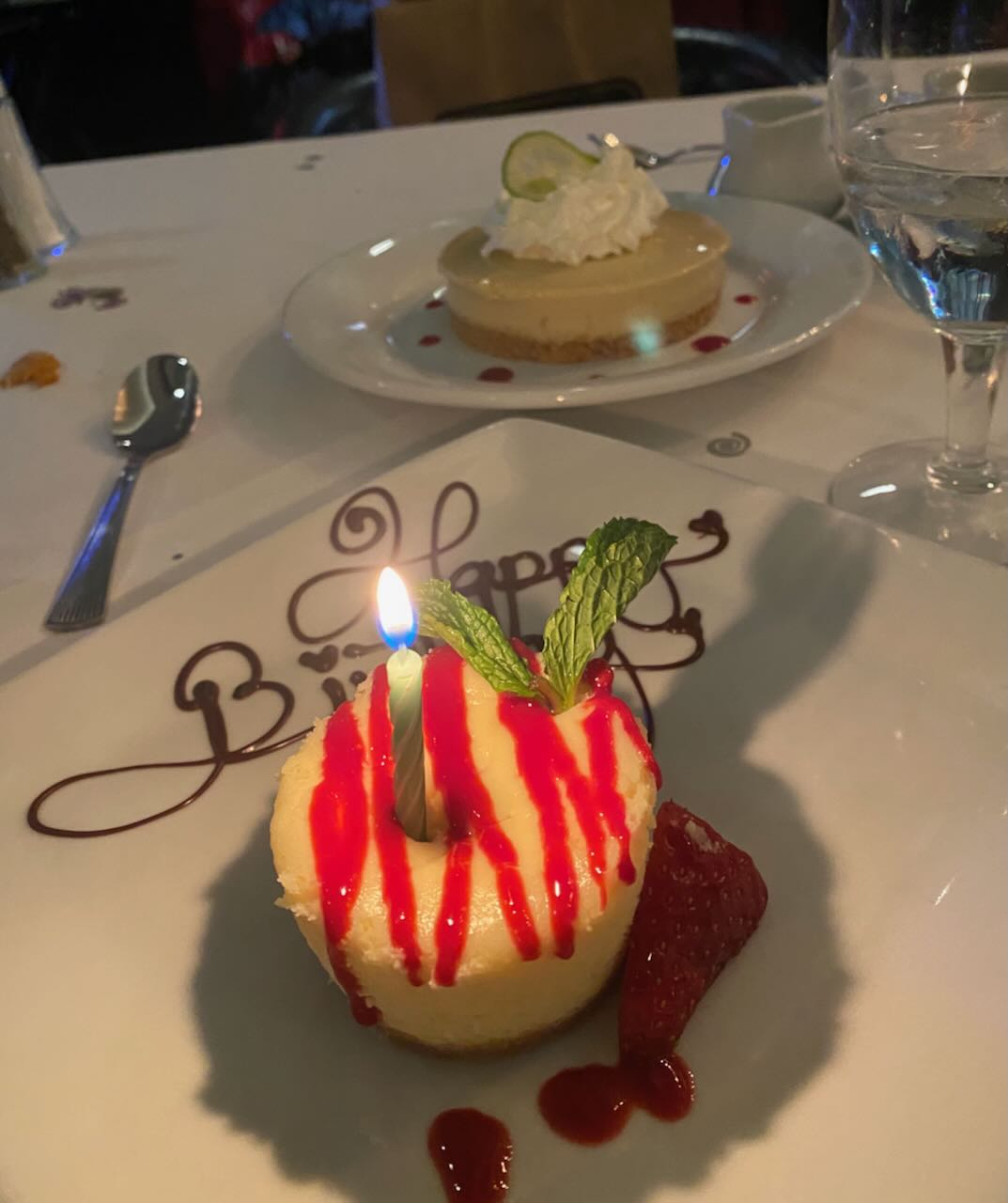
Doug thinks of birthdays in astronomical terms. Congratulations on completing another orbit, he’ll say, and I picture myself zooming out into space, floating planet-like against a background of dark sky and bright stars, hair wafting, skirt billowing. Whereas in fact, on the evening completing this particular orbit, we were having dinner at a luxurious restaurant, consuming the products of sunlight on farm fields and pastures filtered through ten thousand years of agriculture and the hands of chefs and waiters, as anchored to earth as we could be as it rolled us through the universe.

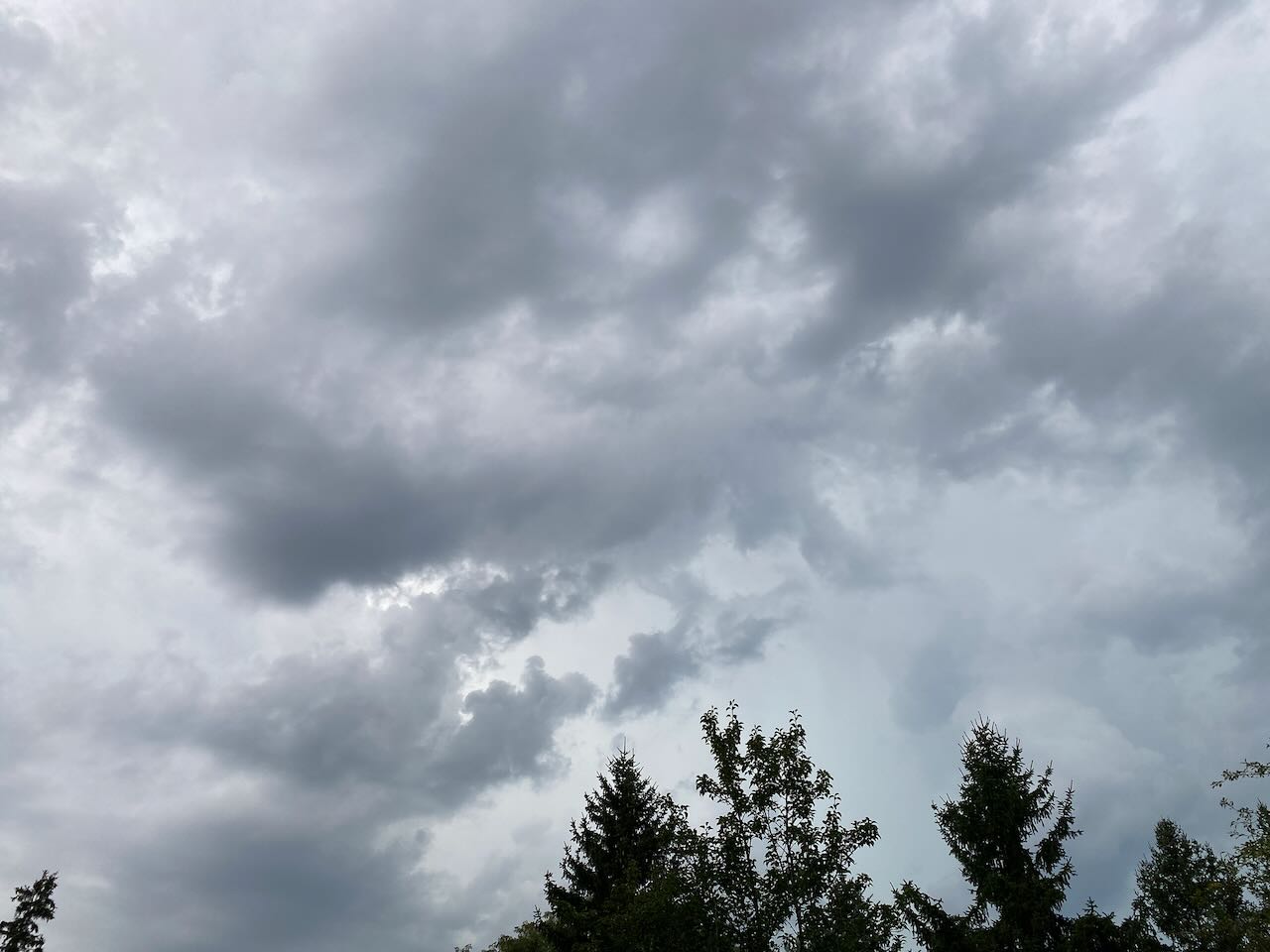
When we look at the sky we don’t usually consider that we’re in it, even when clouds come all the way down to the ground. Sometimes we see in those clouds a metaphor for gloom, sadness, and unhappy fates; at other times an end to drought, a gift to farmers, a respite from heat. Was the storm coming or going in this photo? There was certainly a real answer, a weather map answer, at the moment the photo was taken. Lifted from its moment as a photo is, we can give it any story that suits us where we are now. 

Here’s another beautiful Michigan scene, enhanced, I would say, by clouds. It’s a local farm’s You Pick flower patch in its days of former glory, gone to standing seedheads, offering nourishment to such small creatures as hang on here while we orbit through the winter. The clouds, again, connect us to the sky.

Or here are some extremely, maybe even comically, muscular clouds, seen through my workroom window in their brief existence. I expected drama from such clouds – maybe a tornado? Hailstones? Nothing happened; they dissolved into airy nothing, the natural element of clouds. 

It’s an old saying, that you need clouds sometime, to appreciate the clear blue skies when they come. I say appreciate the clouds. They do wonderful things with the sun, which you can’t look at without their intercession. They decorate the sky, giving us a reason to keep our focus upward. I mean the real clouds here, but feel free to apply it as a metaphor wherever you need one. Happy orbiting.