People and Pets

I was scratching Frassy behind her ears today, when it occurred to me to wonder how it is that people have pets. Dogs may have been adopted as hunting helpers and cats for rodent control, following our habit of bribing wild creatures to live alongside us by feeding them in exchange for milk, wool, eggs, or service. But today people who don’t hunt and have never seen a mouse still have dogs and cats in their homes. And what about gerbils, hamsters, parakeets – all manner of animate beings with no useful task to perform for us. 
How did this happen? I see domestication as something carried out by little girls, about seven to ten years old. Girls this age fall in love with baby animals, no matter how wild, and want to bring them home. Suppose the hunt has been successful, and while the grown-ups are busy drying meat and stretching hides, a little calf stands bleating at the edge of the firelight. Oh look, says Small Daughter, he’s so cute, can I keep him, please? Negotiations ensue, promises of care-taking are extracted, and the calf comes along home. The cultural attitude Small Daughter has to deal with today – maybe with an injured bird or abandoned baby squirrel – is different from what it was in a hunting camp 12,000 years ago, but it’s likely the emotional pull she feels from a small, vulnerable creature is the same, as much as our two legs, two arms, and large brains are the same. We’re built that way.
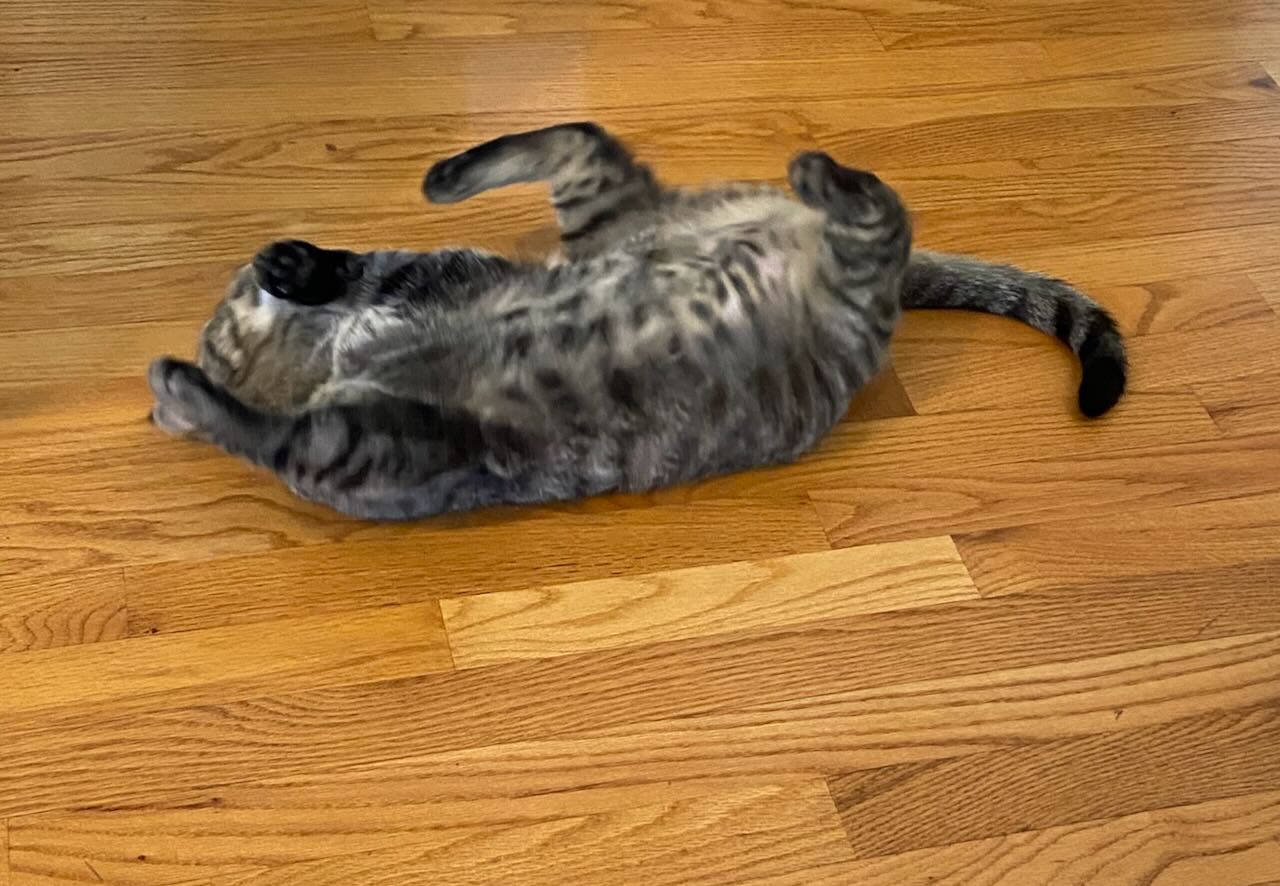
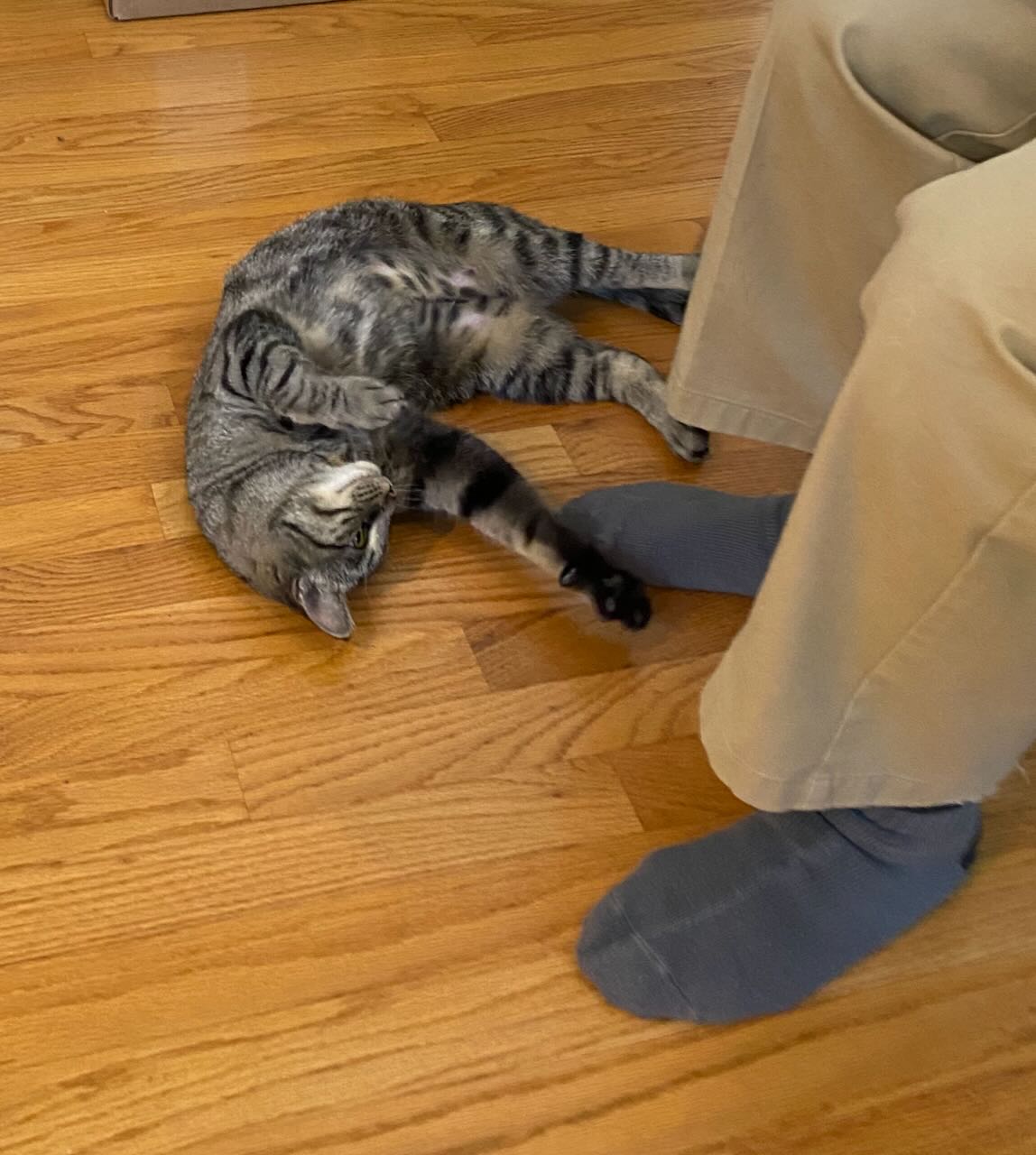
The remains of dogs and cats have been found in human graves from 12,000 years ago, valued and honored perhaps for their usefulness, perhaps for their companionship. We’re made for inter-relationships – we’ll even reach across species for them – we have pets because we have a need for interdependence. Frassy is very rewarding when I scratch behind her ears, leaning into it with the appearance of gratitude, and purring. Humans are more complex, harder to figure out, and most of us are not trying very hard right now. Emotional investment in our pets is lovely, but maybe we could look harder for things to value and honor in each other. 
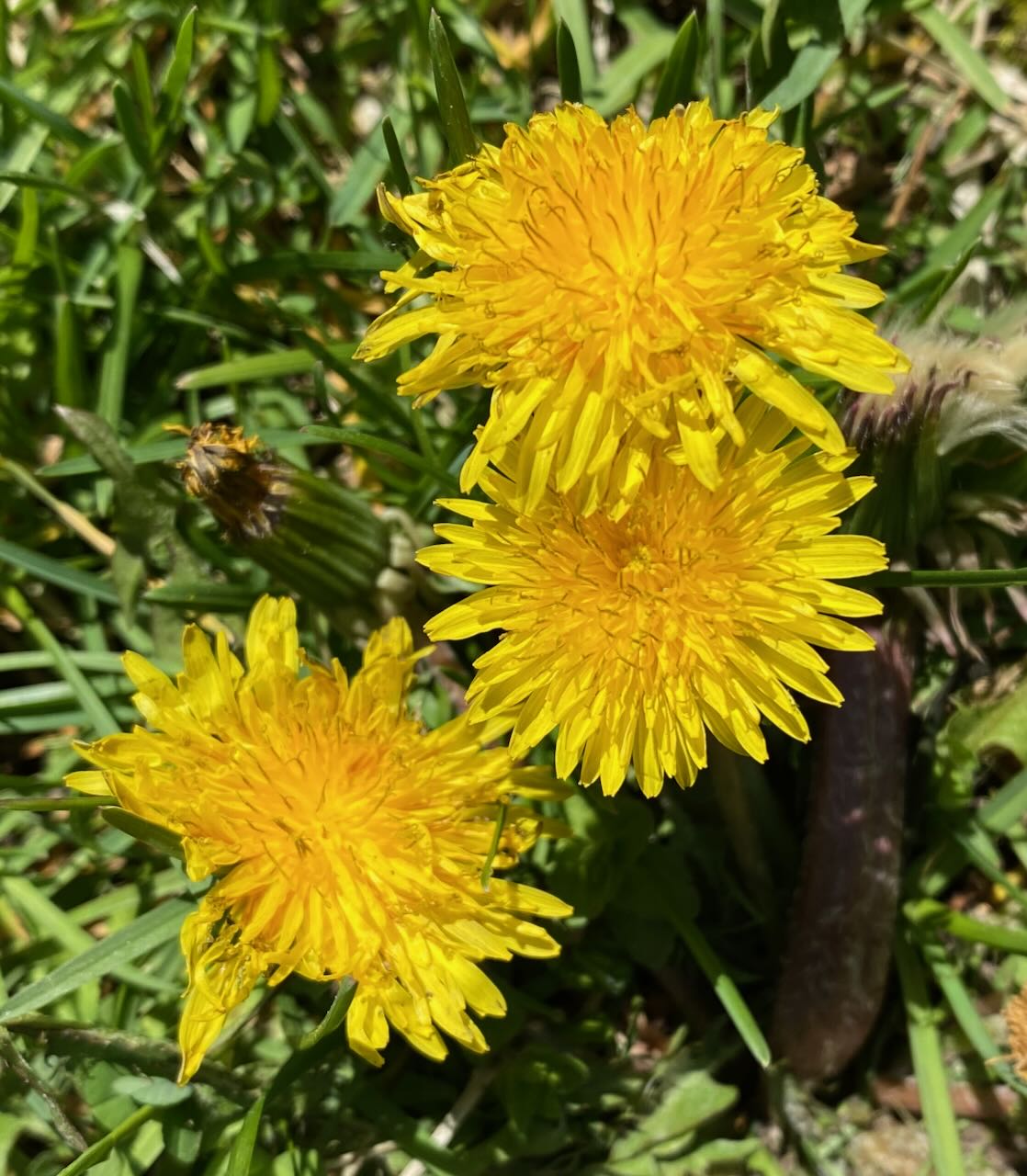
Consider the Dandelion

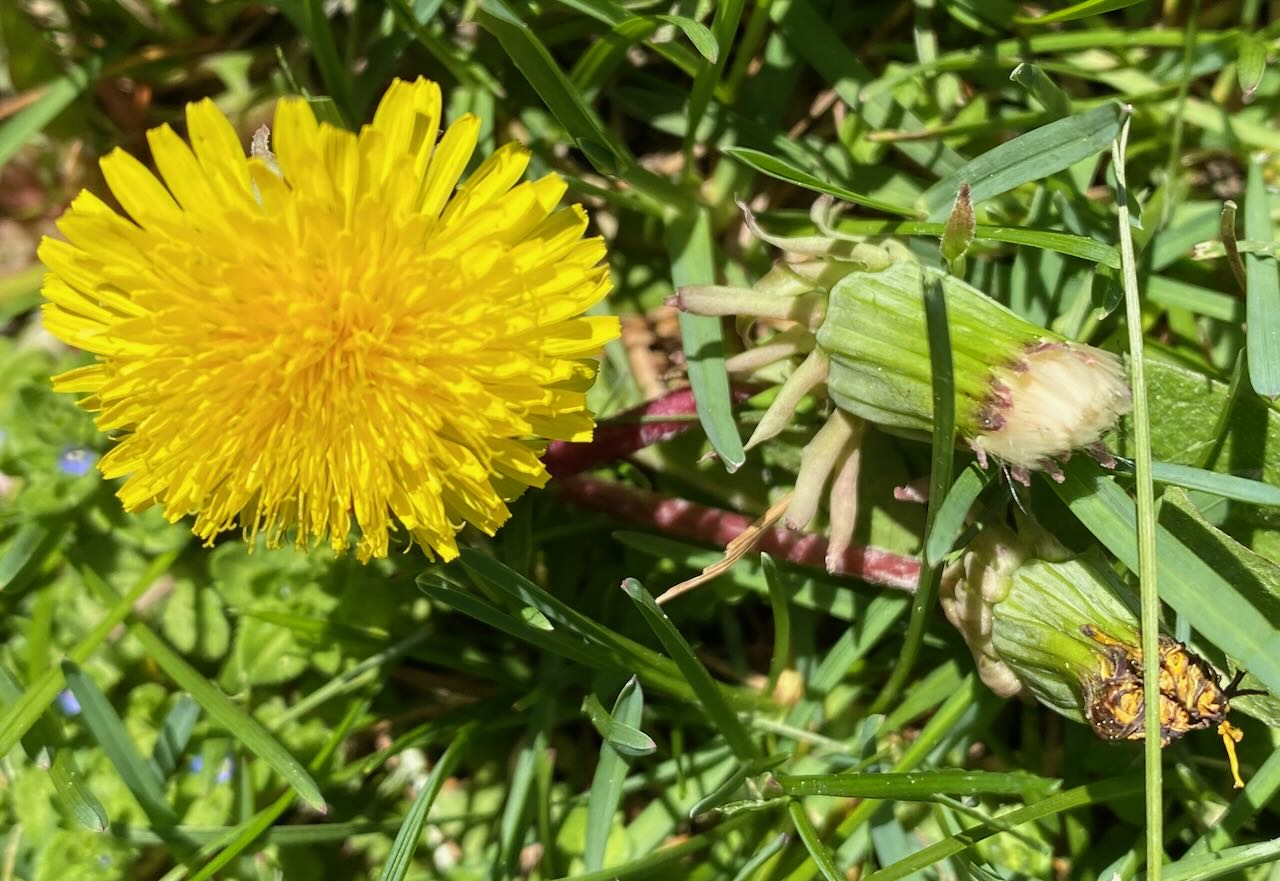
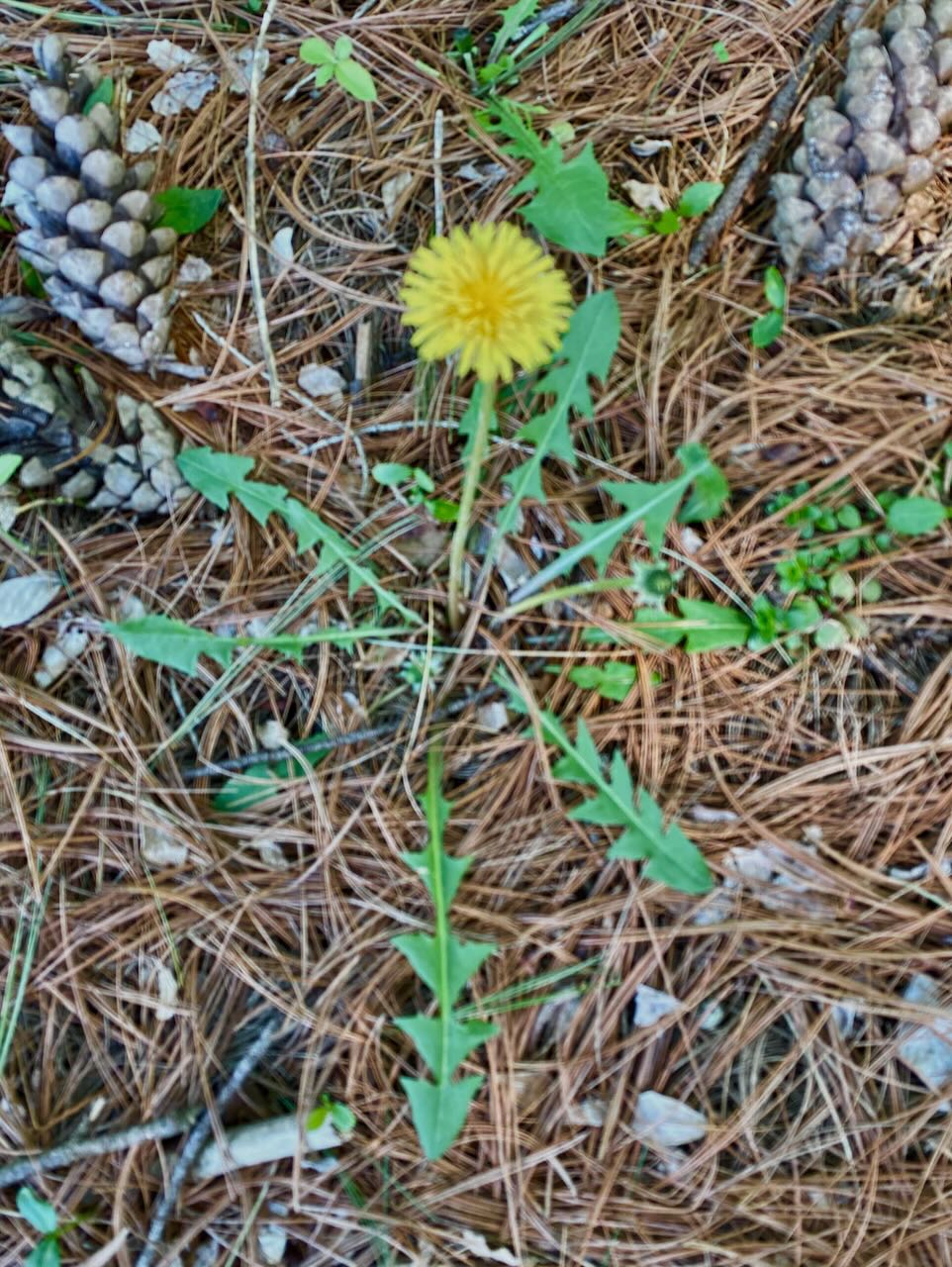
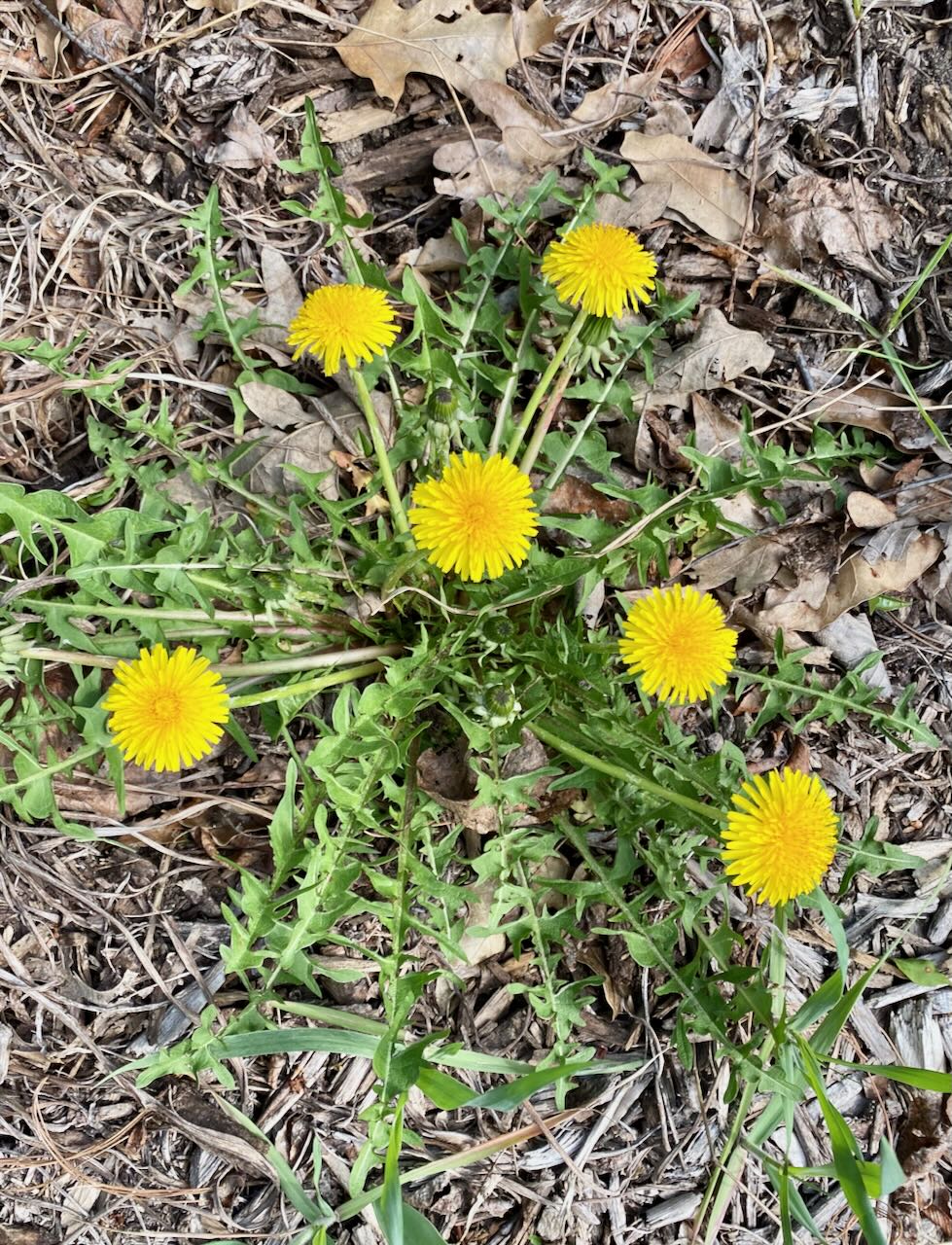
For a plant with so many advantages, the dandelion gets little respect. Its bright yellow flowers, among the first in spring, are models of classic flower structure, and can be made into wine. The young leaves are the first salad green in my spring yard and cook up nicely with a little bacon and maple syrup, just like other sturdy greens.

The flowers can be left to ripen into puffballs for children – or me – to blow on, making wishes that scatter in the wind. True, this only helps the dandelion barge into places that belong to other plants, but its name, “dent de lion” – lion’s tooth – suits a bold, adventuresome nature.

But it’s this adventuresome nature that has consigned the dandelion to the category of Weeds. When I was growing up, having dandelions in your lawn was considered antisocial. The cure, spraying with chemicals, is not in such good repute today. Will dandelions escape their weedly reputation?

It takes more time and attention than we often have, to see a thing outside its assigned category, to stop and consider every leaf and petal in front of you instead of hacking everything with one hoe. I used to pull my dandelions. This year I’m letting them be.

Things That Stay, Things That Change

Faithful to the season, the hellebores lifted themselves out of the dirt in time to wave hello to lent. I should have been paying closer attention, because I missed getting my paczki this year – a special Polish pastry available only at Mardi Gras. Not, of course, called Mardi Gras in Polish, but I have enough trouble spelling paczki (it’s pronounced “punchkey”) to venture another Polish word. Every year the hellebore tribe increases in my yard; they seem especially ruffly this year.

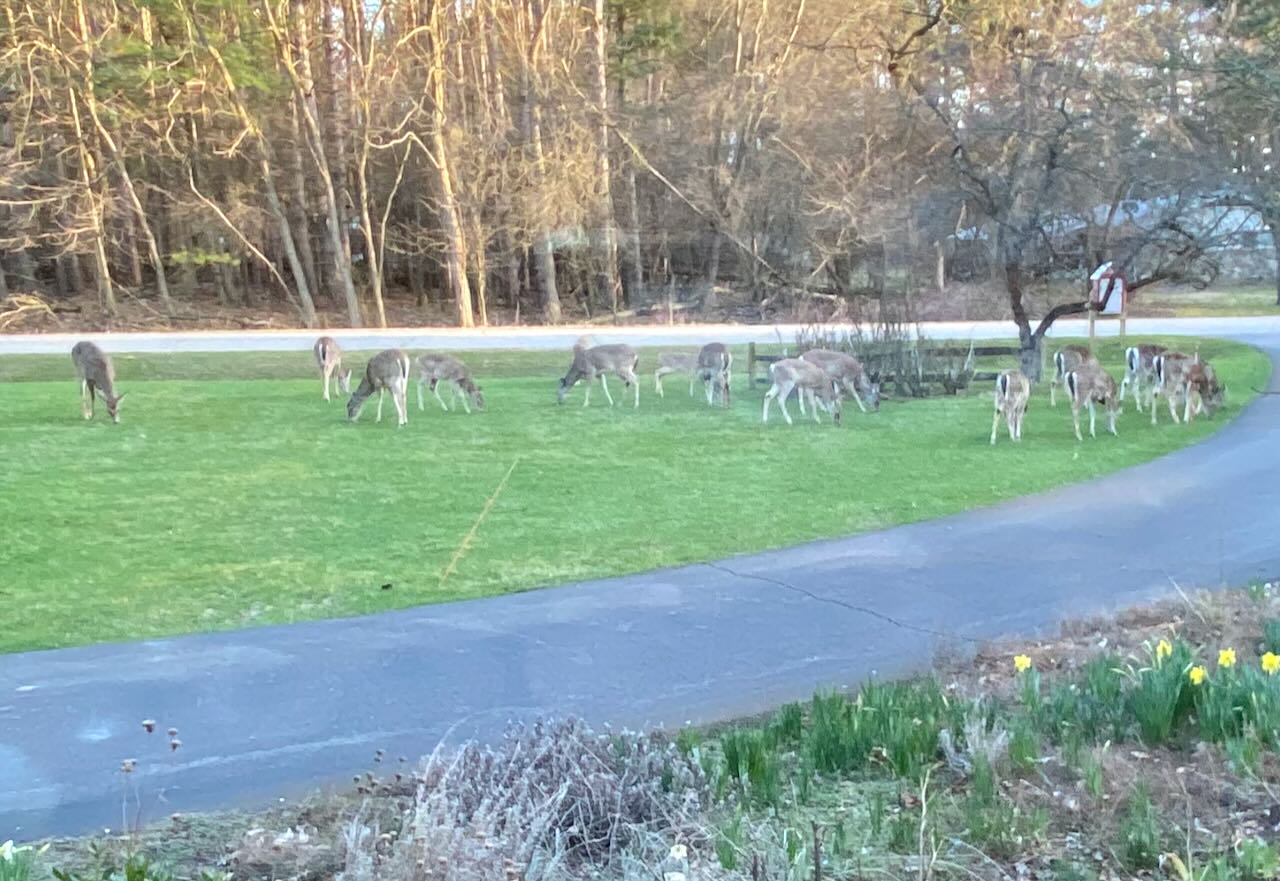
The tribe of the deer increased this year, too. Over the winter we had a group of eight, then a group of twelve, but now they’ve merged into a group of twenty, more than I’ve ever seen at once on my lawn. It’s odd, because normally the herds break into smaller units come spring. Maybe the deer equivalent of paczki is coming up in through the grass.

Another spring surprise for me was this orchid, a gift from a friend last year, reblooming. I’ve been given orchids before, enjoyed them while they bloomed, and then watched them wither and die. My previous experience with orchids was as corsages, or seeing them in California where they grew outdoors. So I assumed a windowsill was not great orchid habitat, yet here she is, all aglow. 

Behind her, in brighter light, is another outdoor California plant, a bougainvillea, which has come back from a near-death experience. It had dwindled to a total of four leaves before I realized the gnats in the room were a sign of fungus in its soil. I had a three-pronged attack for this, so I’m not sure which part worked. First I mixed hydrogen peroxide into a pitcher of water and soaked the soil with it, as a fungus killer. Then I poked holes in the soil nearest the sad bare branches and shook in some rooting powder, to try to regenerate healthy roots. Then I painted the four stalwart leaves with Miracle-gro, a foliar feeder, to help it out until its roots recovered. It worked! Yay!

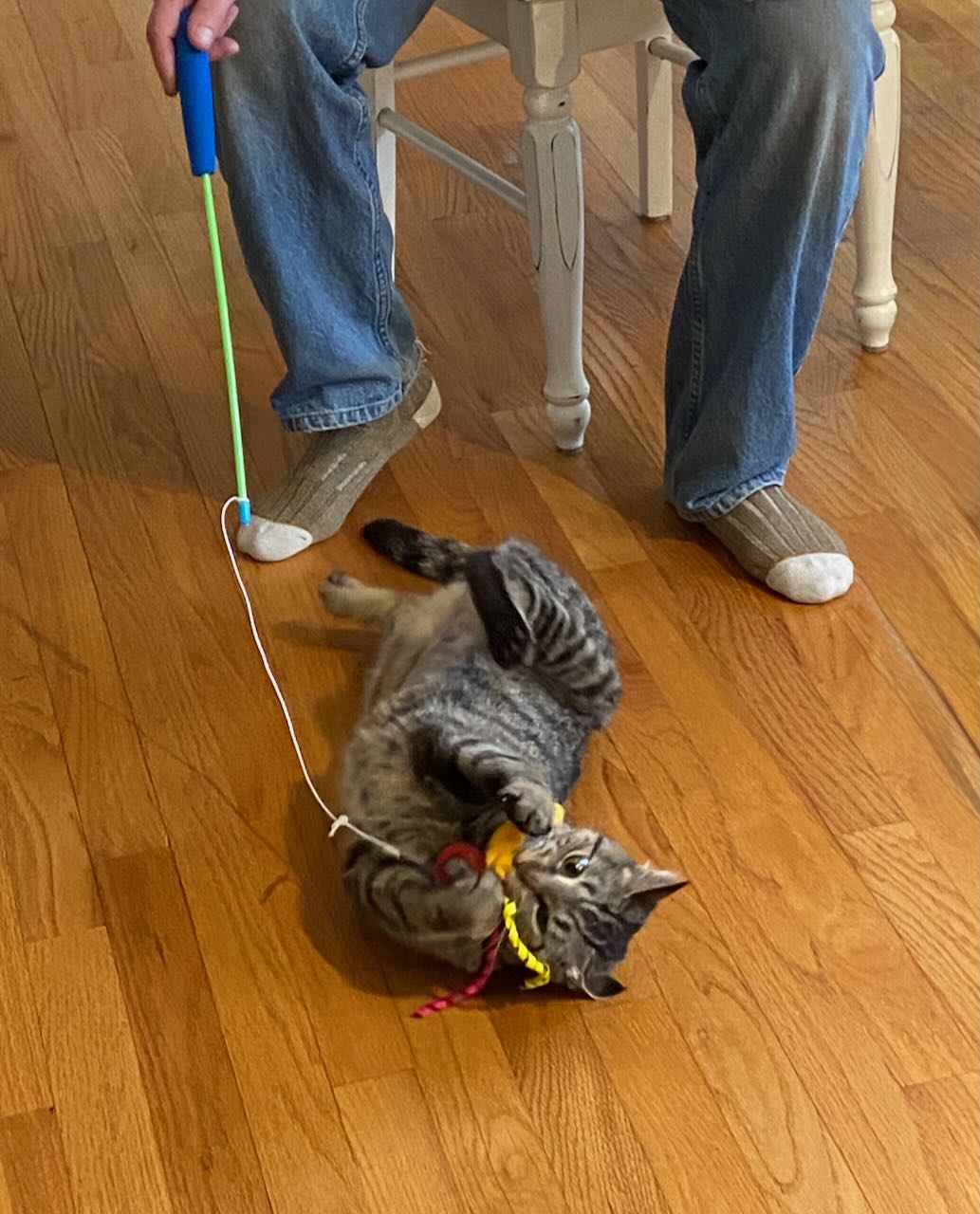
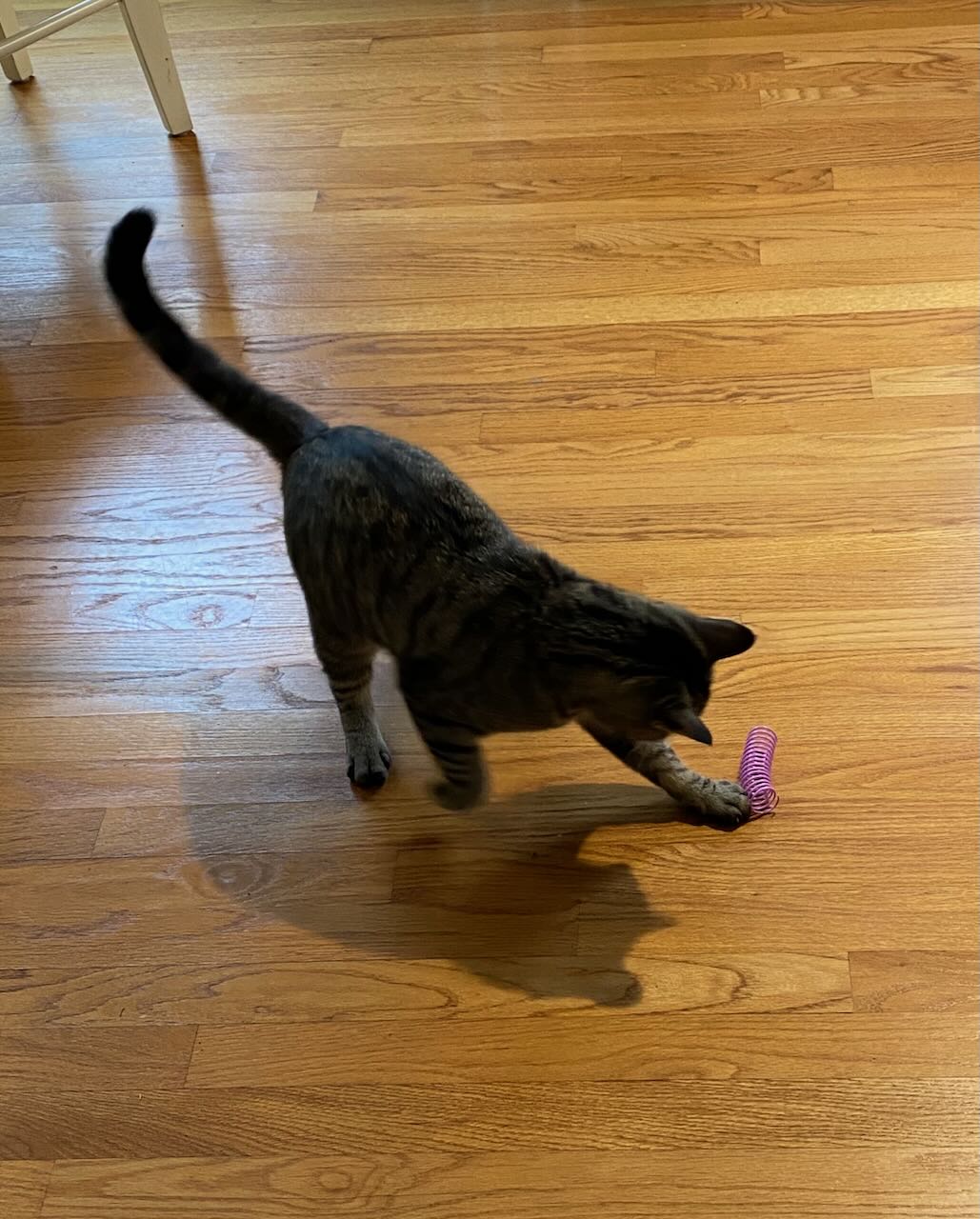
Meanwhile, it’s been fun getting to know our new cat. Frassy has found all Zerlina’s old favorite spots, and invented a few of her own. Zerlina was afraid of sticks, or anything sticklike, from which we guessed she had once been abused with them. Frassy seems to be trauma-free. She’s especially fond of Doug. Here he is playing with her with a feather toy on a stick. She’s already bitten through the string once – see the knot where I tied it back together? She’s also ferocious with her two toy mice. If we do really have a mouse in the house, I hope we won’t for long.

Spring Surprise

I was all set to write a blog post for today about snowdrops, daffodils, tornado warnings, and other signs of spring. Then I got a call from the Humane Society that the cat Doug and I saw there last week was ready for adoption. They had picked her up as a stray, but now the requisite time had passed for anyone else to claim her. She was ours.

It’s been eight months since our wonderful Zerlina died, and at first I was too full of memories of her to accommodate another cat. But eventually I shifted from thinking I saw her everywhere from the corner of my eye, to realizing all those spaces were empty and needed a cat to fill them. Then we found signs of a mouse in the kitchen, and that sealed the deal.

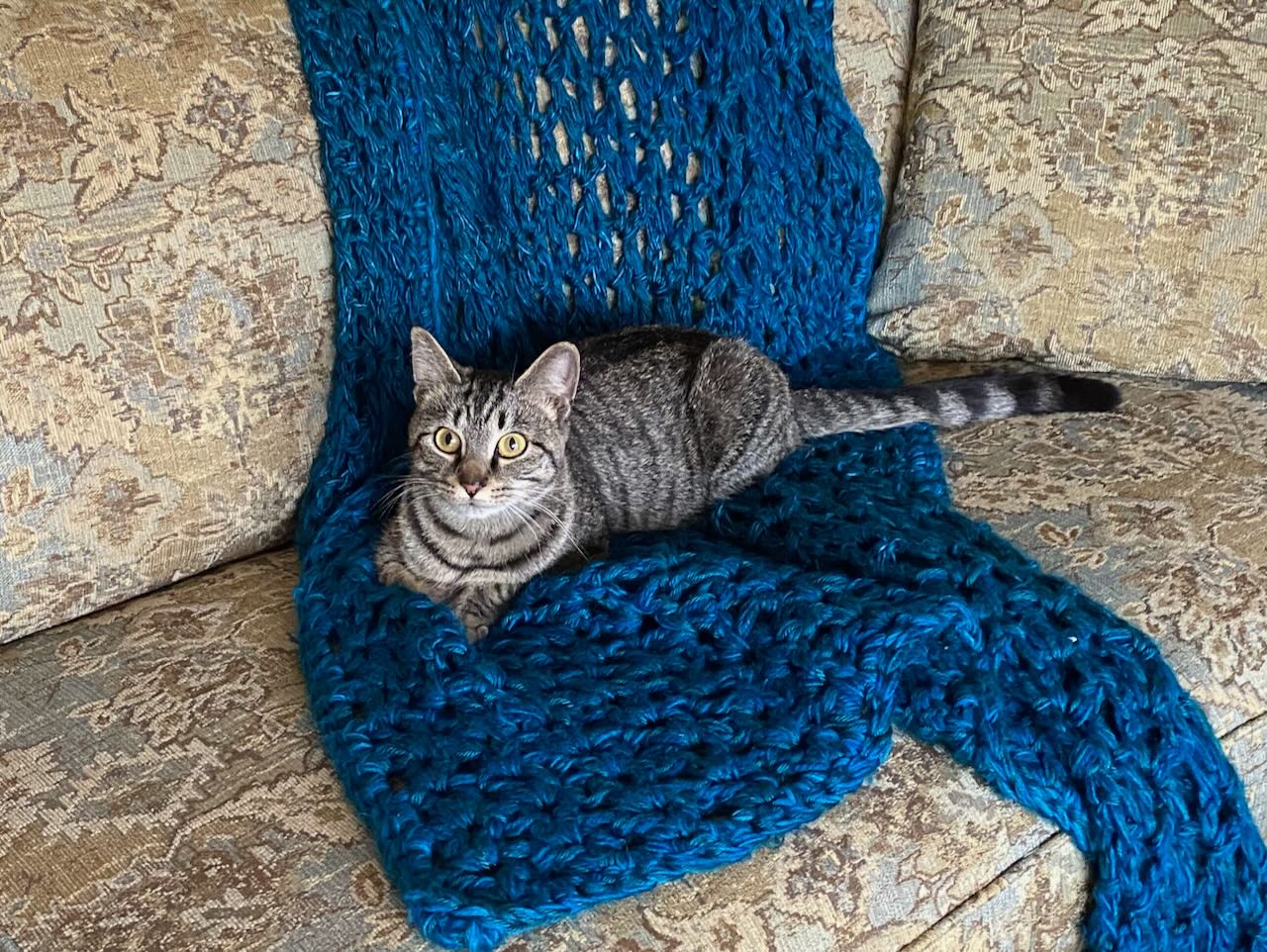
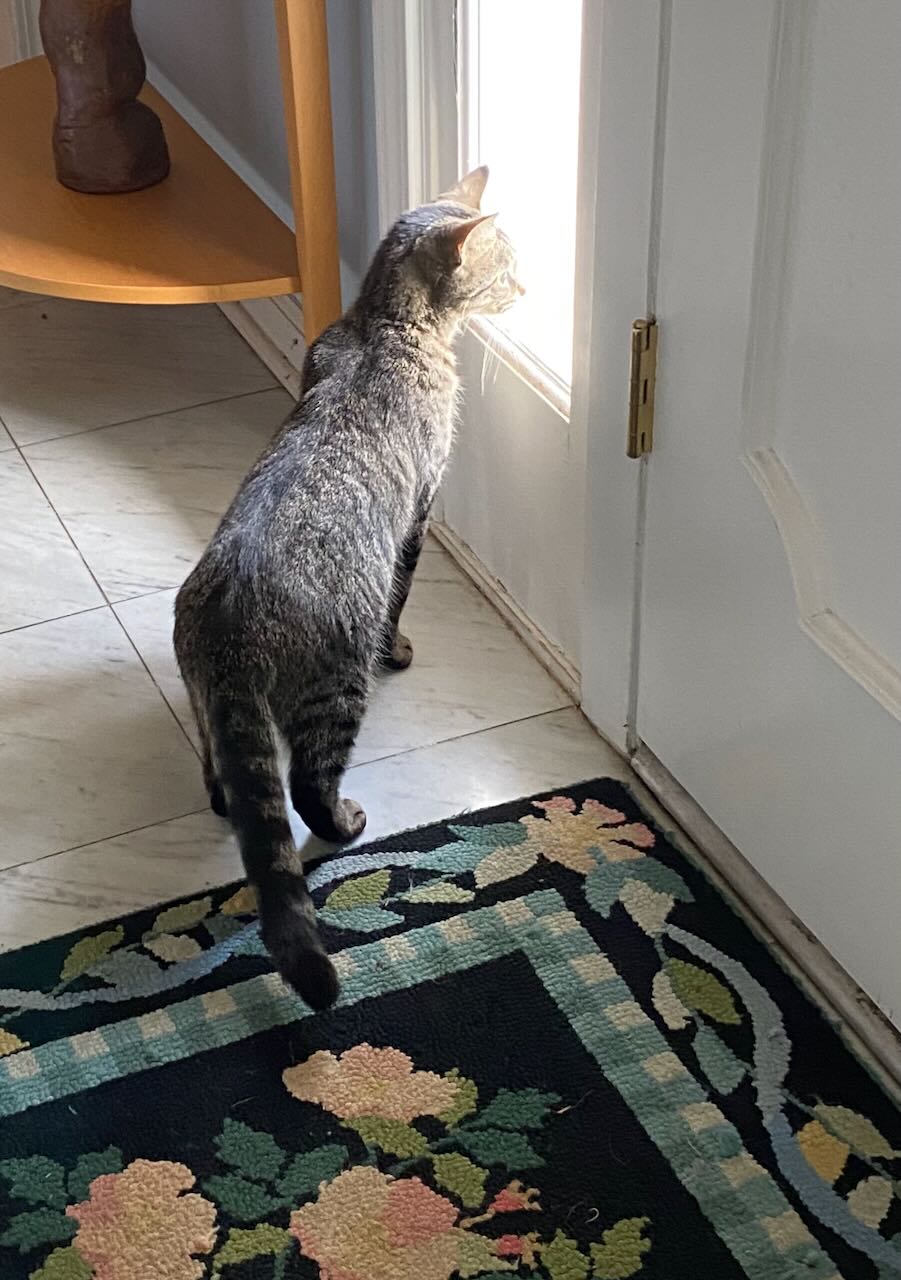
So we brought her home. First thing in the door I showed her the litter box – cats like to know where it is – and then watched for what she’d do next. I had a few possible opera names picked out for her, depending on what I could learn of her personality. Some cats will hide; some will wail; some will try to run out the door. Our tabby girl was bold, adventurous, and affectionate. She especially liked to have Doug rub her head, and she did a walk-through of every room in the house. I named her Frasquita, after the gypsy girl who was Carmen’s fun-loving but more reasonable friend. Doug calls her Frassy.

So this is the story of a new beginning, after all – a new season, a new cat. She’s sleeping in Doug’s lap right now. They make a nice double portrait of what a good idea it is to love again.

Song and Rain

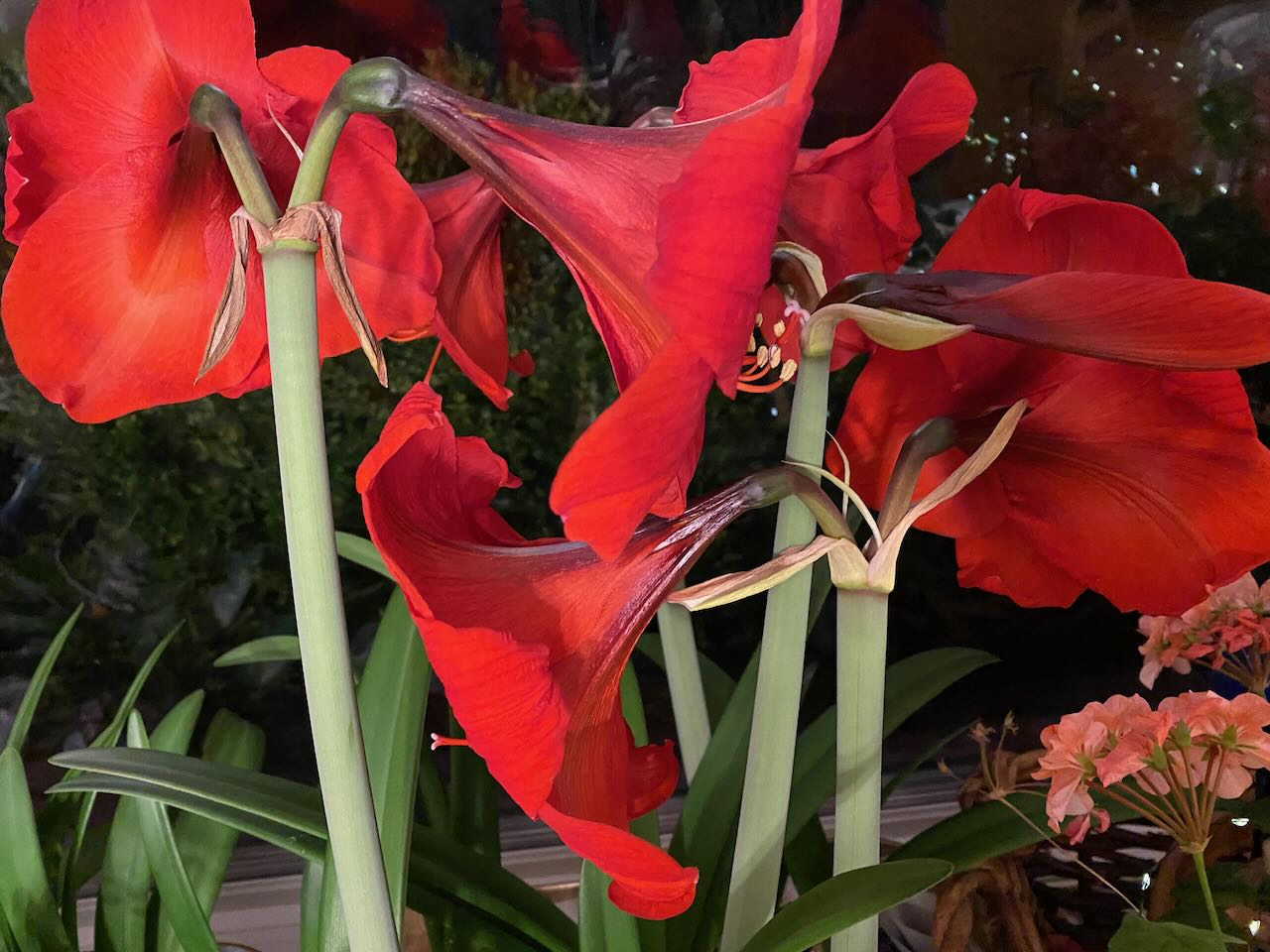
The tulips at my windowsill are done now and the amaryllis have come into glory, turning their backs to me because the sun is so much more compelling. Birds that were here all winter but mostly hiding in the shrubbery, are now flaunting themselves in song – certainly song from the cardinals and robins. I’m not sure I’d call it that from the bluejays. Still, it serves their purpose, claiming a territory, finding a mate, the tasks of approaching spring. 

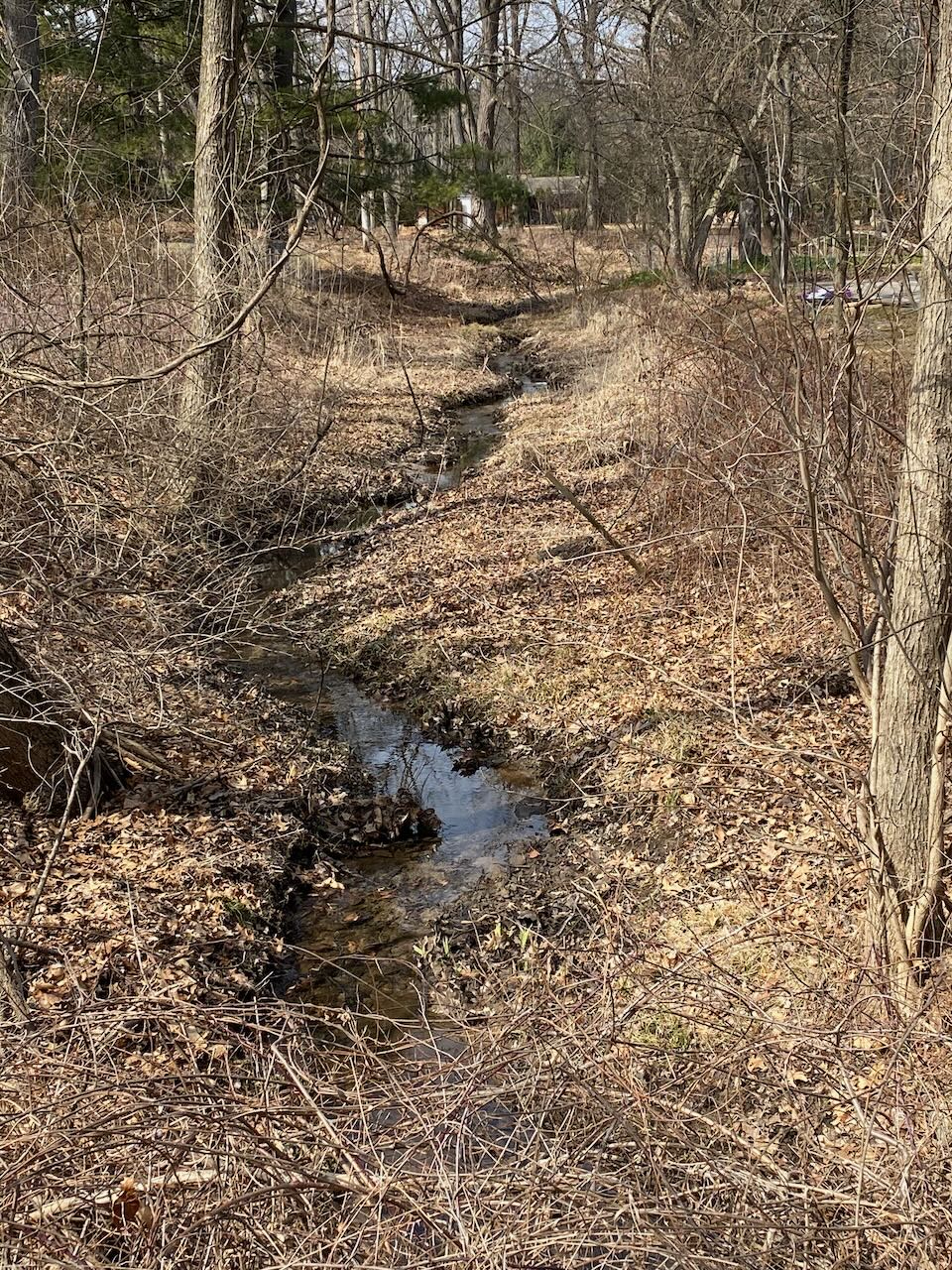
The snow has turned to rain, sometimes as it falls. The ice is gone from our small neighborhood creek, where bare branches and flattened grass give us a longer view than usual of the path it provides for deer on their way to the river. That’s one of my favorite things about winter – how it changes the way we see things.

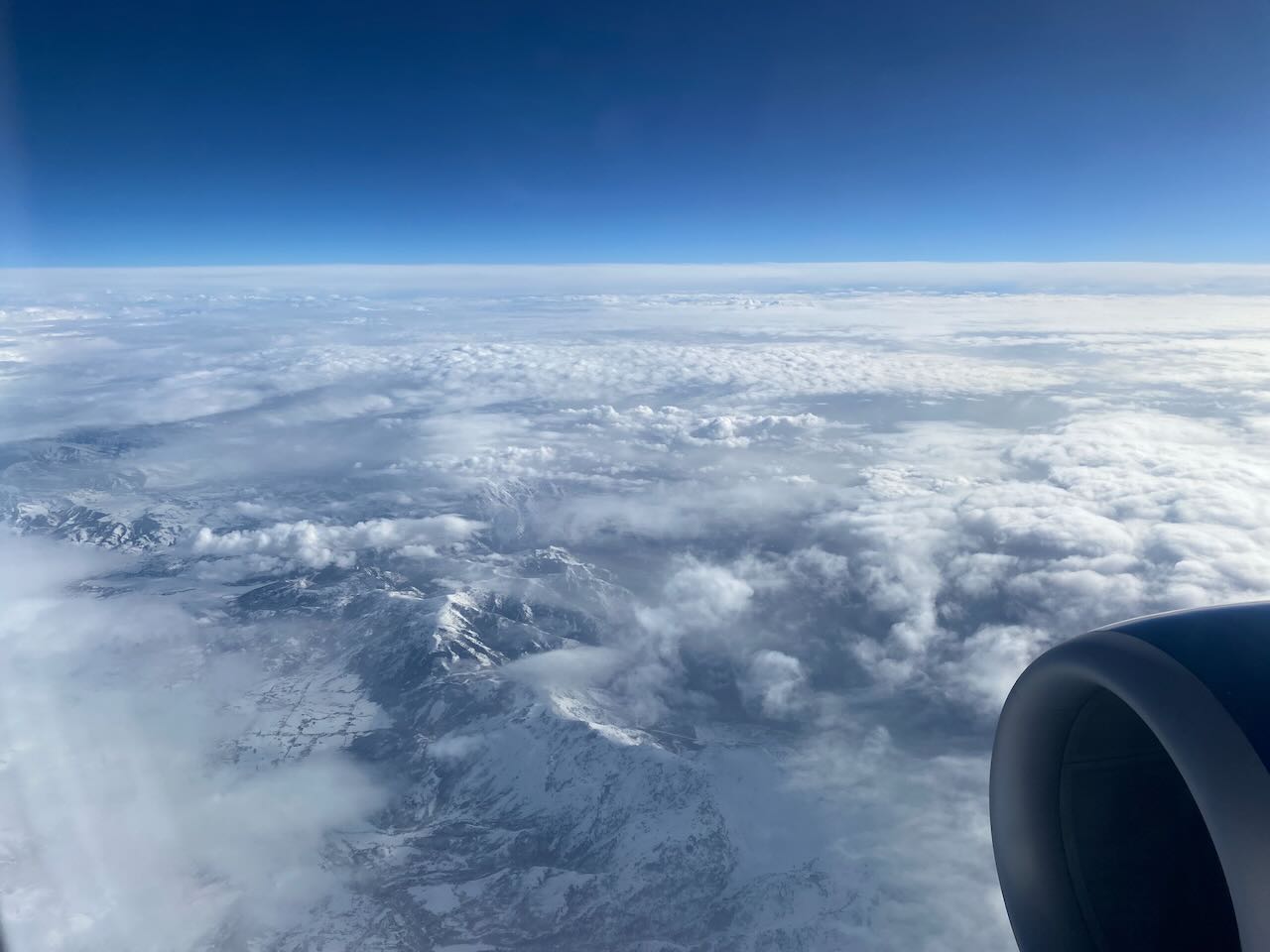
There’s a song about changing viewpoints, starting with clouds, that I always think of when I’m on an airplane. I like to sit in the window seat and watch the familiar, detailed ground turn into vast maps, and clouds become veils and carpets. I take photos and make sketches but nothing’s gelled into a painting yet. 

The sky is a rich source of painterly inspiration from below as well as above. Walking up my street yesterday I saw this. How would I paint clouds so they came out like that? Painted ultra-realistically, wouldn’t they look fake? These particular trees are evergreens so the view is seasonless, but if I painted in bare branches, or hung them with snow, or flowers, or red leaves, the same sky would tell a different story every time.

This is one of my favorite early-spring photos, taken a few years ago. I love how the tree seems to grow out of the barn, entirely because of where I stood to take the picture. The trees are bare; the sky looks like it might want to snow but will have to settle for rain. Once the tree leafs out, the barn, from this angle, will disappear. With all the development happening in our area, it may already be gone. 

The Natural Demonstration of Change

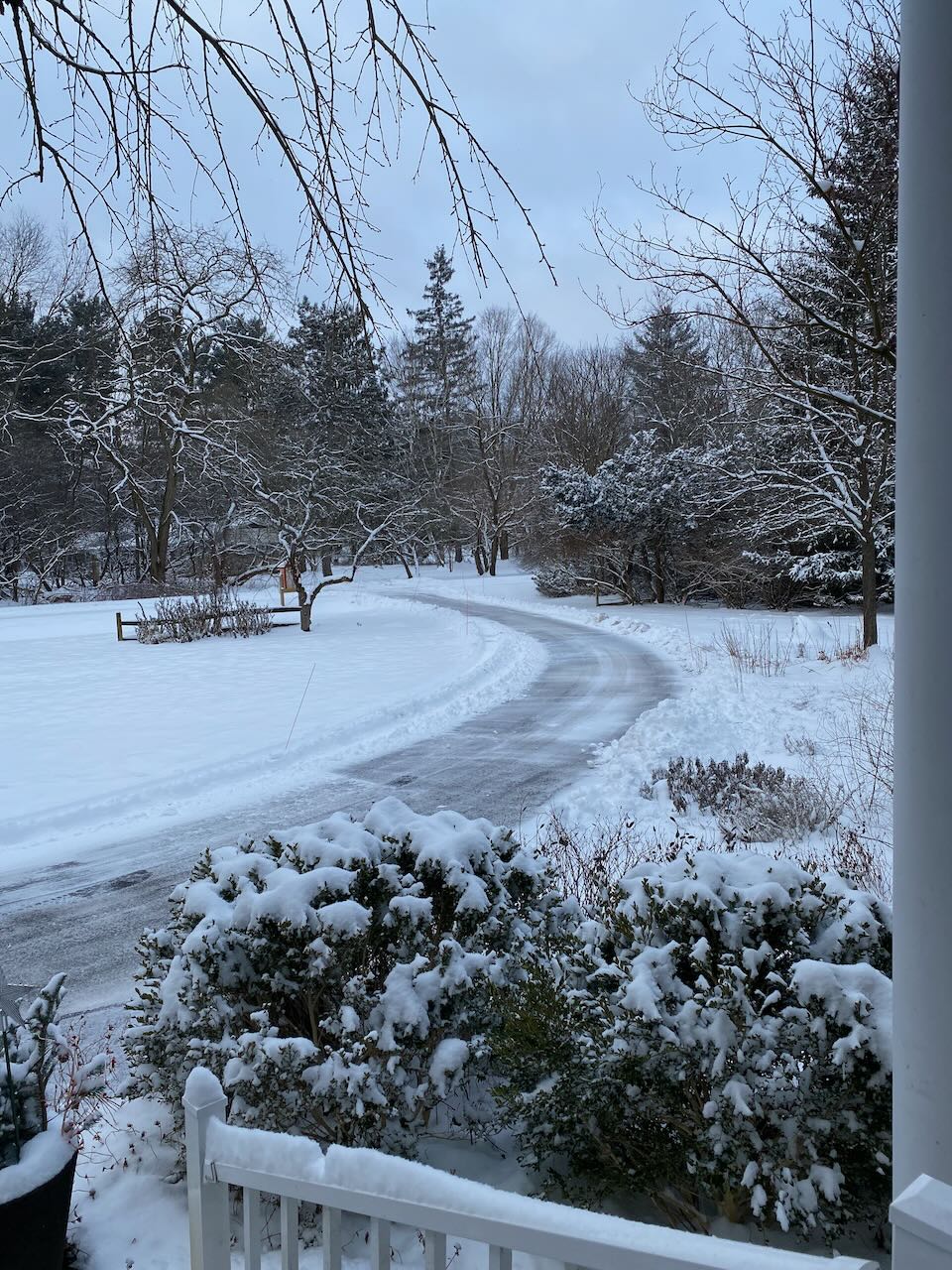
I call this room my studio; sometimes Doug calls it my office. It holds my desk, my art supplies, my craft supplies, much of my indoor gardening, and my writing chair. Builders and real estate agents called it the living room, a term that’s always puzzled me – living, as opposed to what? I love the beautiful light from these big windows and Doug preferred the basement for his woodshop, so the deskartcraftgardenwriting room is mine. I find much inspiration watching the change of weather, wildlife, bloom, and growth in this one little slice of view. This was my view yesterday morning, the flowers all inside, the snow lingering.

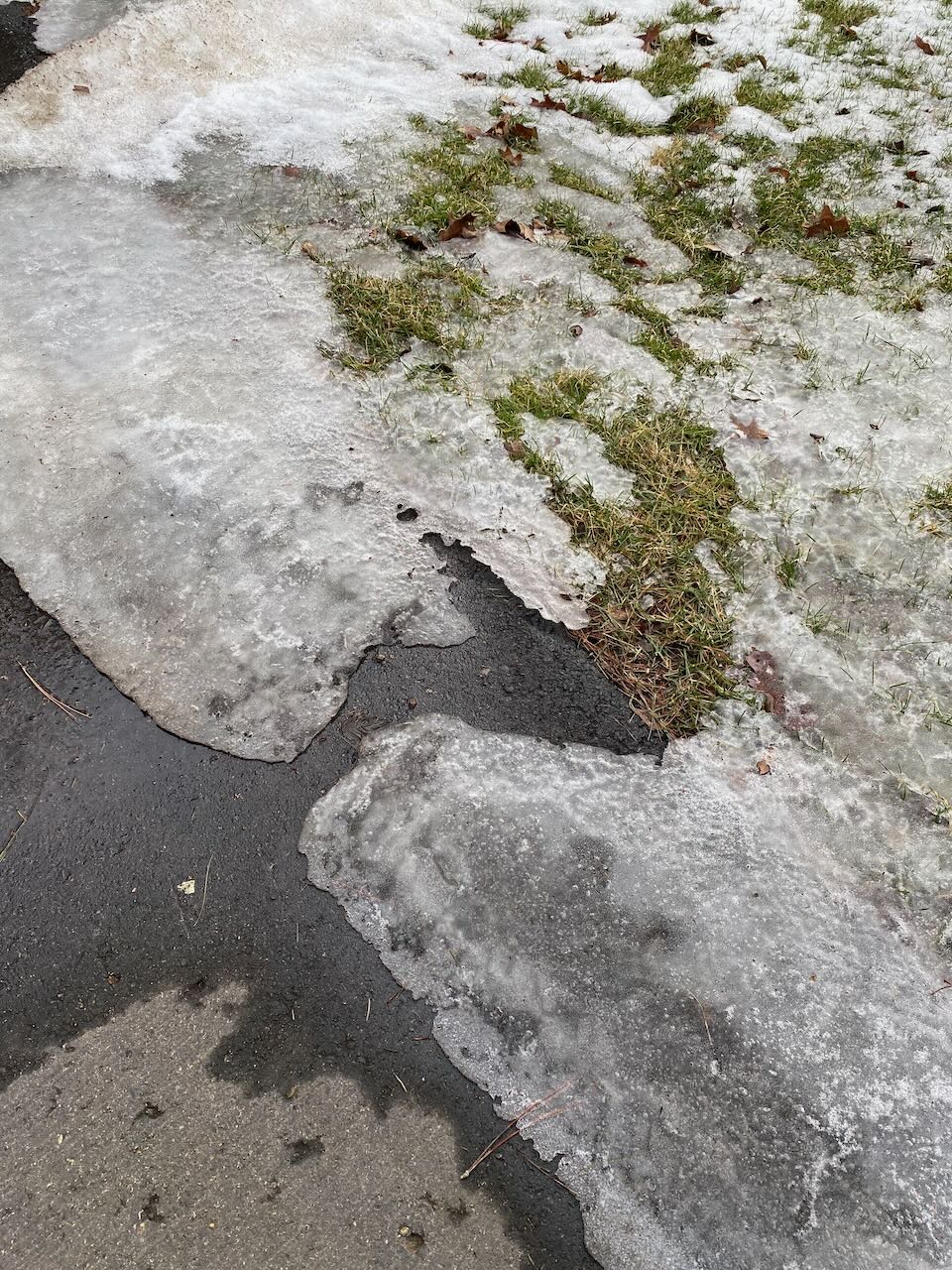
As I walked out in the afternoon, the ice at the top of the driveway looked like a much wider view from an airplane window, flying over Midwestern farms and lakes as winter loosened into spring.

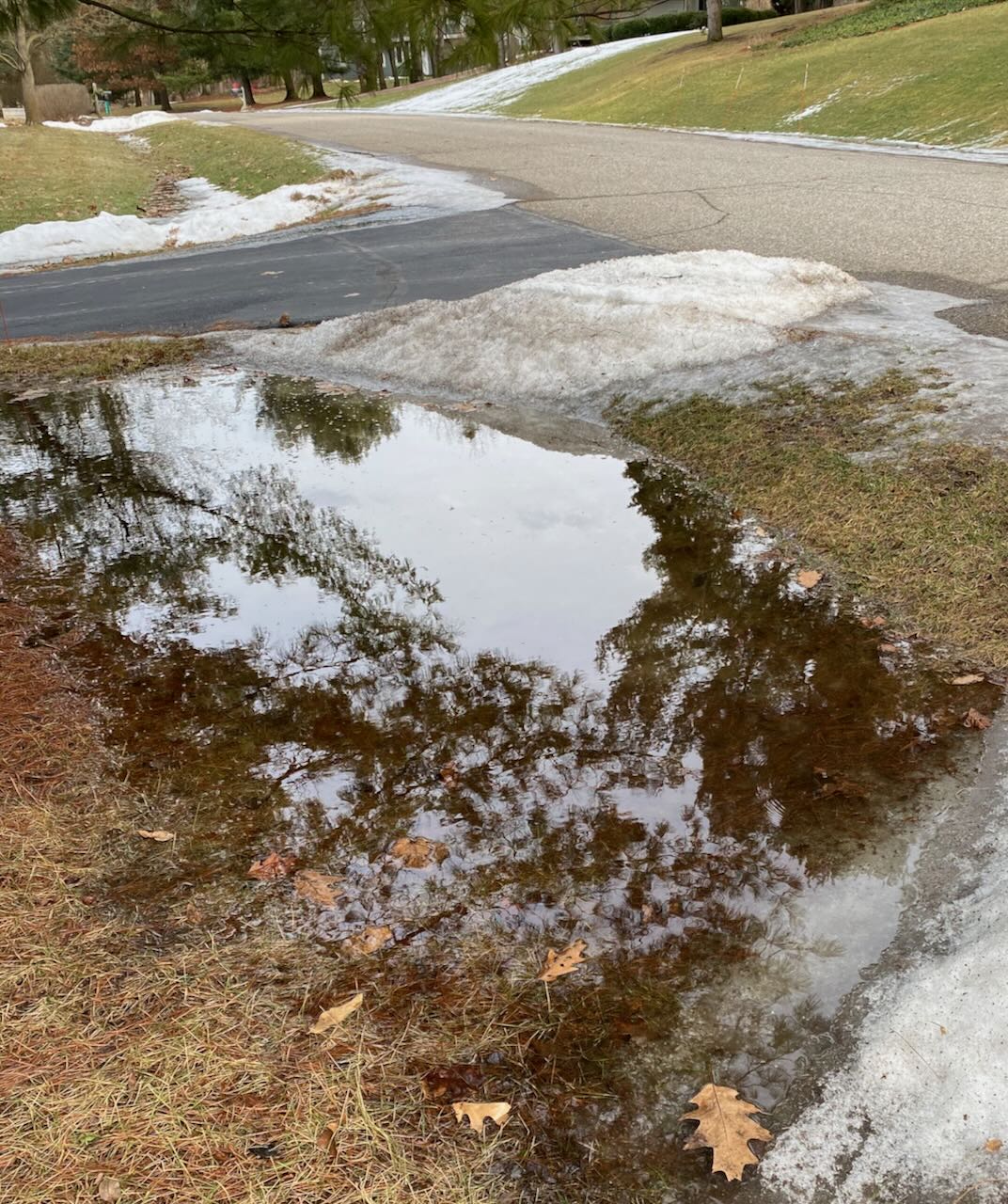
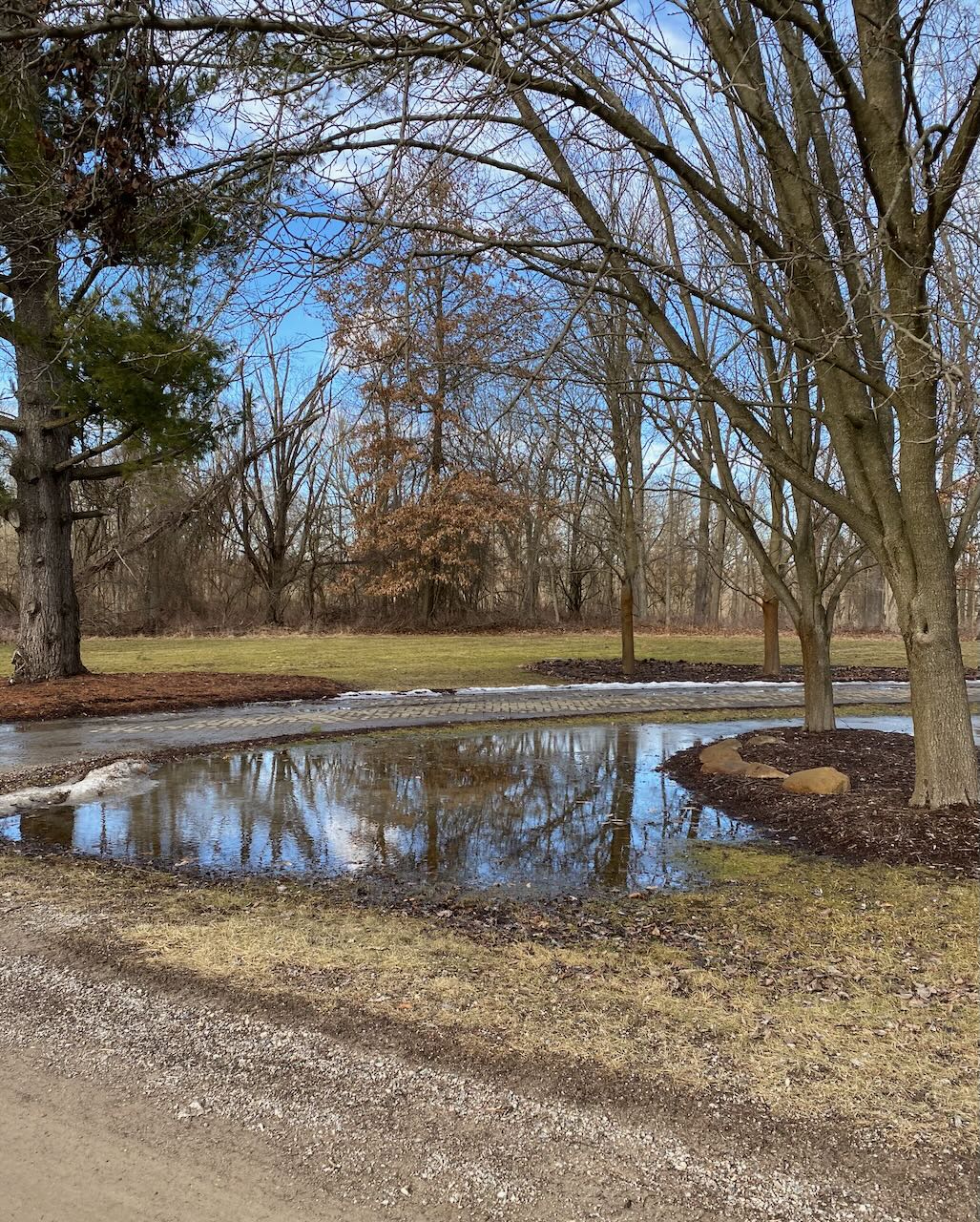
On the other side of the driveway our Spring Lake has appeared as usual. This is where the snow piles up when Christen plows us out, storm after storm, all winter. Early warming weather melts the snow, but the ground stays frozen so the water can’t drain away. Nice little pond, but by the time the ducks come back it’s gone.

By dinnertime it was 52 degrees outside, and many more ephemeral lakes had appeared. The prettiest one is up the road where the pavement ends and the dirt road begins, changing the drainage picture somewhat – this little lake is even more ephemeral.

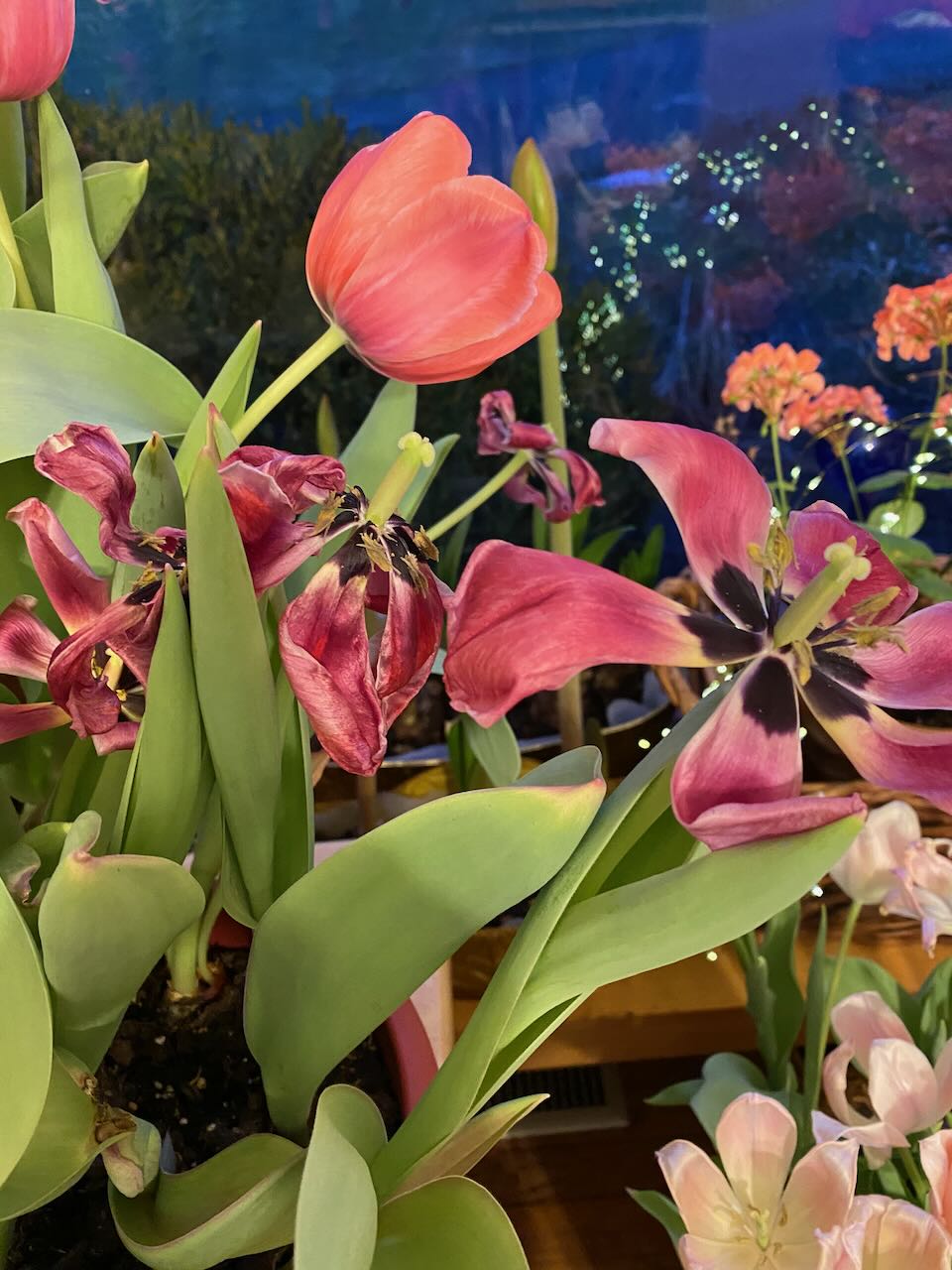
Then come nightfall everything froze again, and I retreated to my Tulip View. The tulips, a mix of past and present, are blooming and fading under the small string of twinkle lights I couldn’t resist leaving up after Christmas. I have friends who are impatient for spring, but I find I enjoy this up and back – it’s like saying to time, you think you’re going in just the one direction? Ha, Michigan has news for you. Time’s arrow deflected, for a moment, in its flight.

Sideways Into Spring

Winter, it seems, regrets having spent so little snow on us, and is making reparations while it can. There hasn’t been enough snow so far this season to hide all the grass, and many are the Michiganders complaining about it: nowhere to snowshoe; no way to sled; not even enough for a decent snowman. But today we have four inches on the ground, and seven more are predicted for the weekend. I’m happy for those who can now enjoy their winter sports. Meanwhile, I’m perfectly content sitting inside watching the dance of snow come down while I page through my seed catalogs. 

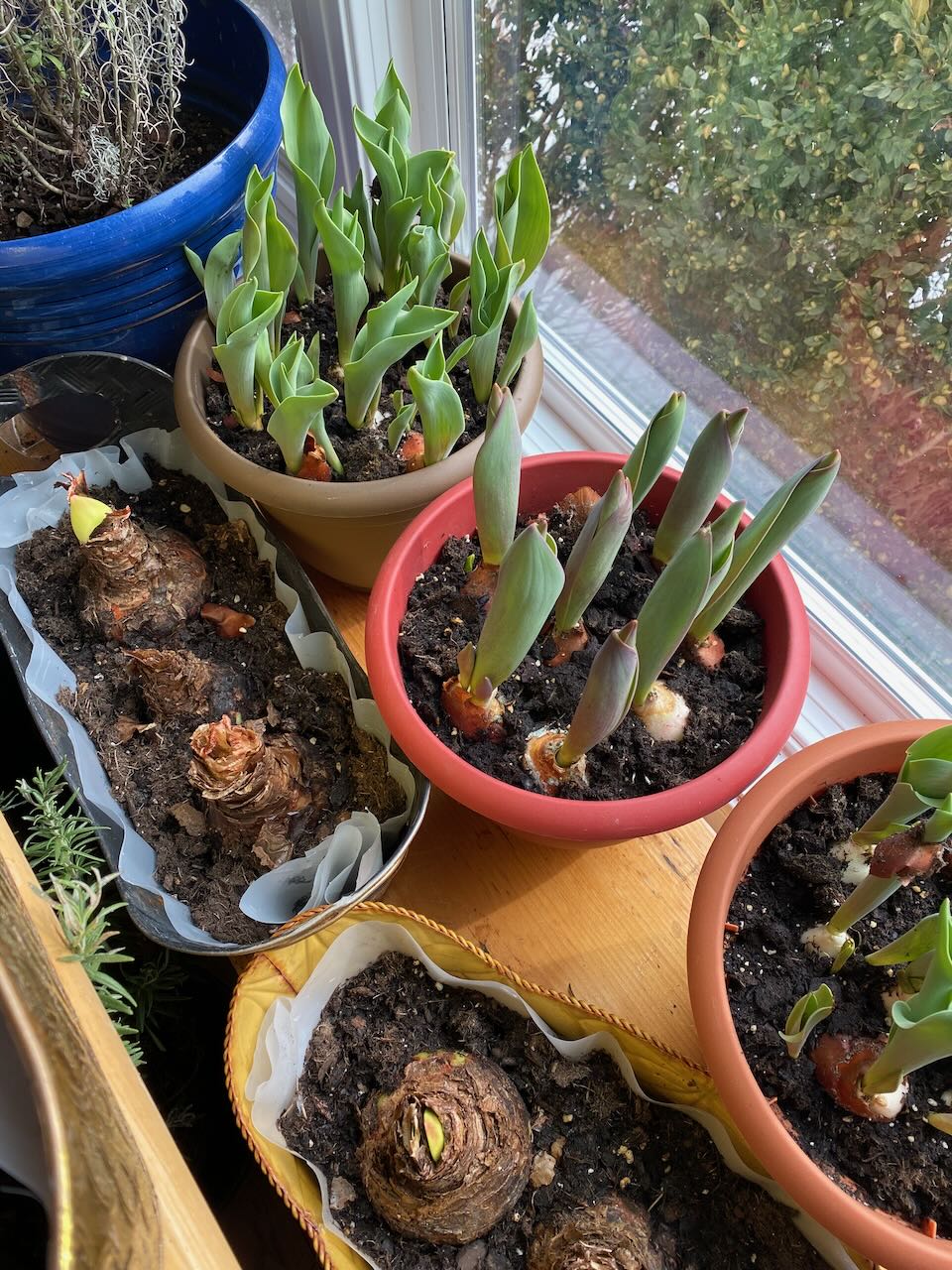
I potted up my tulip bulbs last fall, put them in the garage to chill, and last week brought them into the light and warmth of my front window, where they joined the amaryllis bulbs liberated from my dark but not freezing closet. I like to see spring start first on the windowsill, and watch it spread from there into the yard.

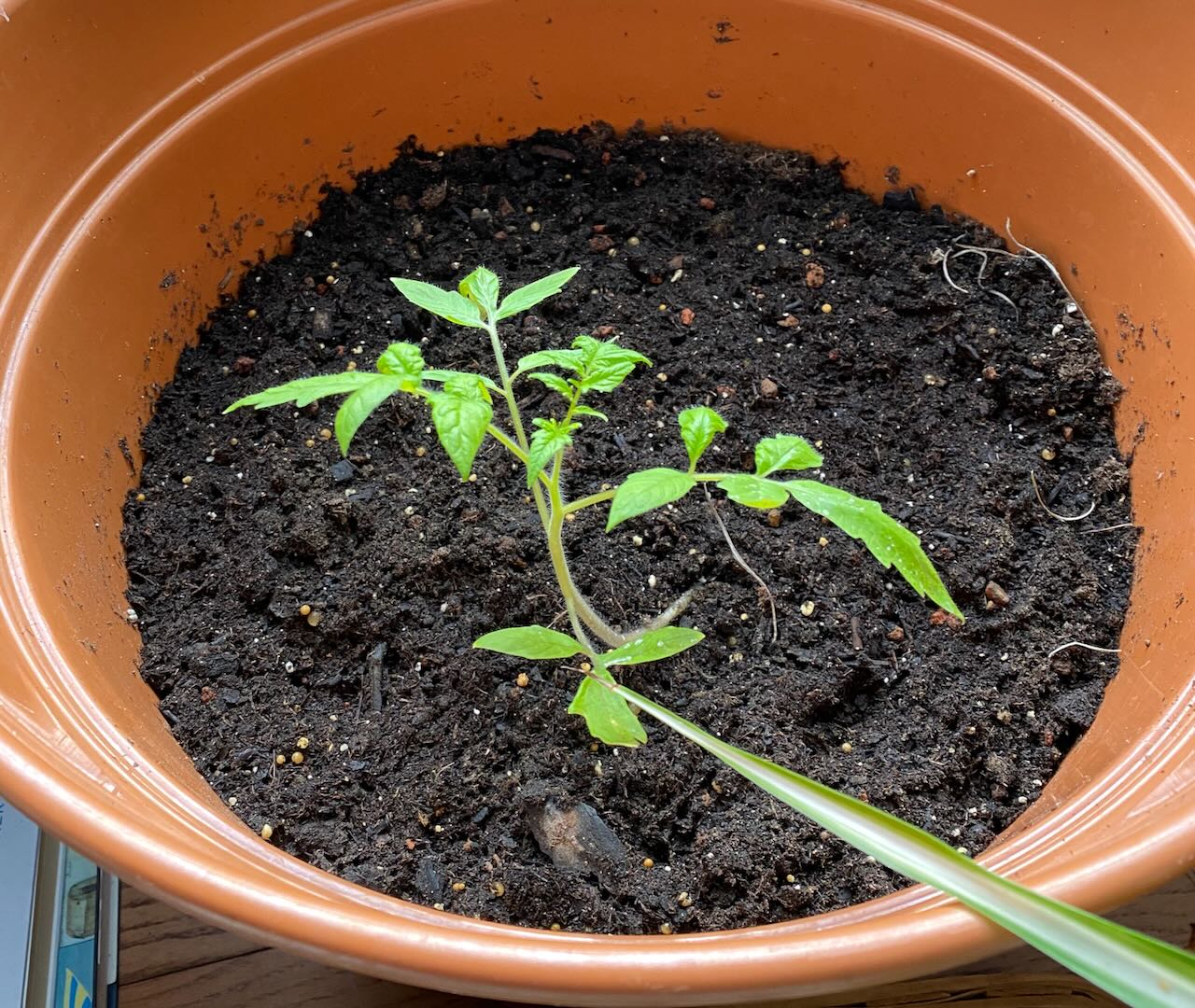
I meant to start my indoor tomato before Christmas so it could be setting fruit by now. A little late on that, but the seedling is coming along nicely. I had two of them last year, but they need really big pots that take up a lot of space, so I cut back to one this year. I’m trying to decide whether to put a trellis in the pot this time, or tie some twine to the curtain rod. It’s a Cobra tomato, intended for greenhouses, and quite tasty.

While I was rearranging pots to make room for the tulips, amaryllis, and tomato, I took advantage of an idea my friend Cindy gave me for reining in frolicsome spider plants. You stick a plant support into the spider’s pot, gather up all the spider plant runners as if you were going to make a pony tail, and catch them through the loop at the top of the plant support. Voila! A spider tower. My spider plant mocked me by immediately throwing a new runner out to the side. The will of a spider plant to propagate cannot be denied.

Fire and Ice

In many folk traditions, fire is called the Trickster: the hearth, the center of the home, comfort, warmth, hypnotic calm looking into flames in a fireplace; keep the home-fires burning. Then one day fire, our friend, our helper, pushes, wild against the boundaries we’ve set for it, and destroys everything. Fire, the magical, reassuring transformation of wood into heat, suddenly ravenous, turns our familiar, substantial surroundings into wind and ash. My friends, my former neighbors in Altadena are sifting through that ruin now. 

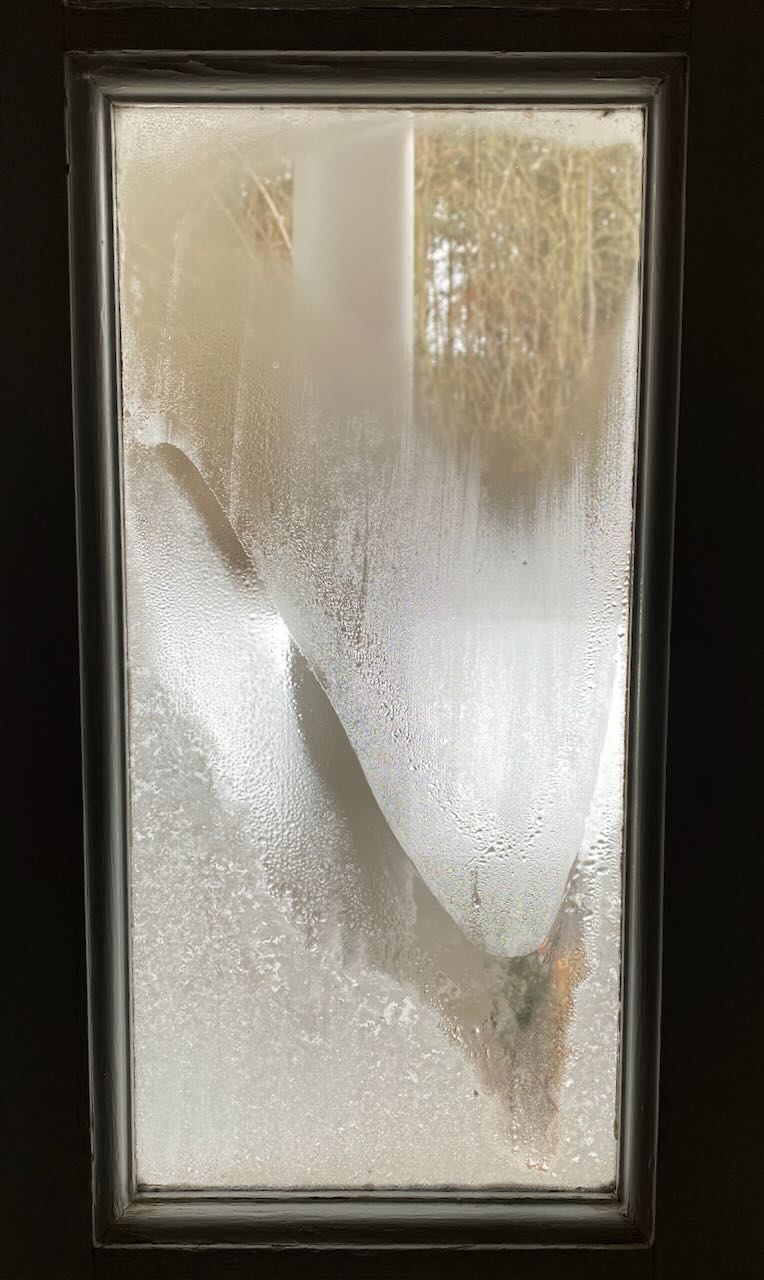
Here in Ann Arbor, most of a continent away, warm air from the captive, well-behaving fire in my furnace breaks against the frozen cold of a single-pane glass window, and paints it with a streaky coat of ice. On the inside. As many times as Doug has explained the physics of this to me, it still feels astonishing that heat, essentially fire, can do this.

This little window sits alongside the front door. On the other side of that door is winter, not a very snowy one yet, but very cold. I sweep the snow off the porch steps, since otherwise people walking on them emboss footprint-shaped ice patches into the surface, slippery and hard to scrape off. Another mystery of physics: mini-glaciers created by human weight and shoe leather. Or whatever bootsoles are made of these days.
The deer are in the backyard this morning. They circulate around my sleeping garden, breaking through snow and ice with their sharp hooves to get at whatever it is they’re eating. There’s much less of it now, yet they bunch themselves into herds of twelve or fourteen in winter, presumably to share body heat. They have no fire. Is there any animal other than humankind that uses fire? That thought to catch a piece of wildfire and bring it home, to bank it up, to keep it going, to restart it when it failed? To stop it when it over-reached? How brave that first user of fire was, persevering as everyone else ran for their lives. I was going to say it took a long time to learn to control it, but maybe we aren’t there yet. The brave people now are those who come running at need to put it out.

What Would You Take With You

When I lived in Altadena, no one in the rest of the country had heard of it. Uphill from Pasadena, just like it sounds, it sits on the skirt-hems of those mountains that backdrop the Rose Parade, comfortably anonymous. It was anonymous as usual this year on New Year’s Day; one week later wildfires called Altadena’s name. The whole country’s heard of it now.

So here’s my question: you have to evacuate under “immediate threat to life.” What do you take with you? Would you have a better list if you thought it through ahead of time, or would facing the moment of truth give you clarity, and focus? Official lists of what to take feature things like birth certificates, marriage certificates, title deeds, and insurance documents. Really? My entire desk does not fit in my car, and surely these things are replaceable. An extremely organized person might have them all in one big envelope, or maybe have photos of them all on their phone. Too late now.

Clothing, though replaceable, is on the list since it’s an immediate need. My friend Jean once told me of a time when she faced an evacuation “warning,” which means there’s more time. She went to her children’s closets and pulled out clothing for them; went to her husband’s closet and pulled out clothing for him; then went to her own closet, took a look, said “Nah,” and closed the door. I greatly respect her ability to see opportunity in the prospect of loss. She did not, in fact, have to evacuate. I always hoped she went out and bought some new clothes anyway.

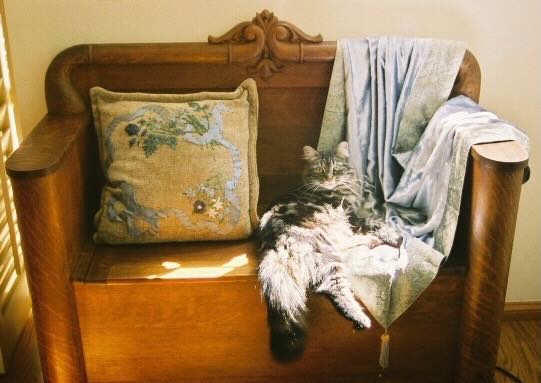
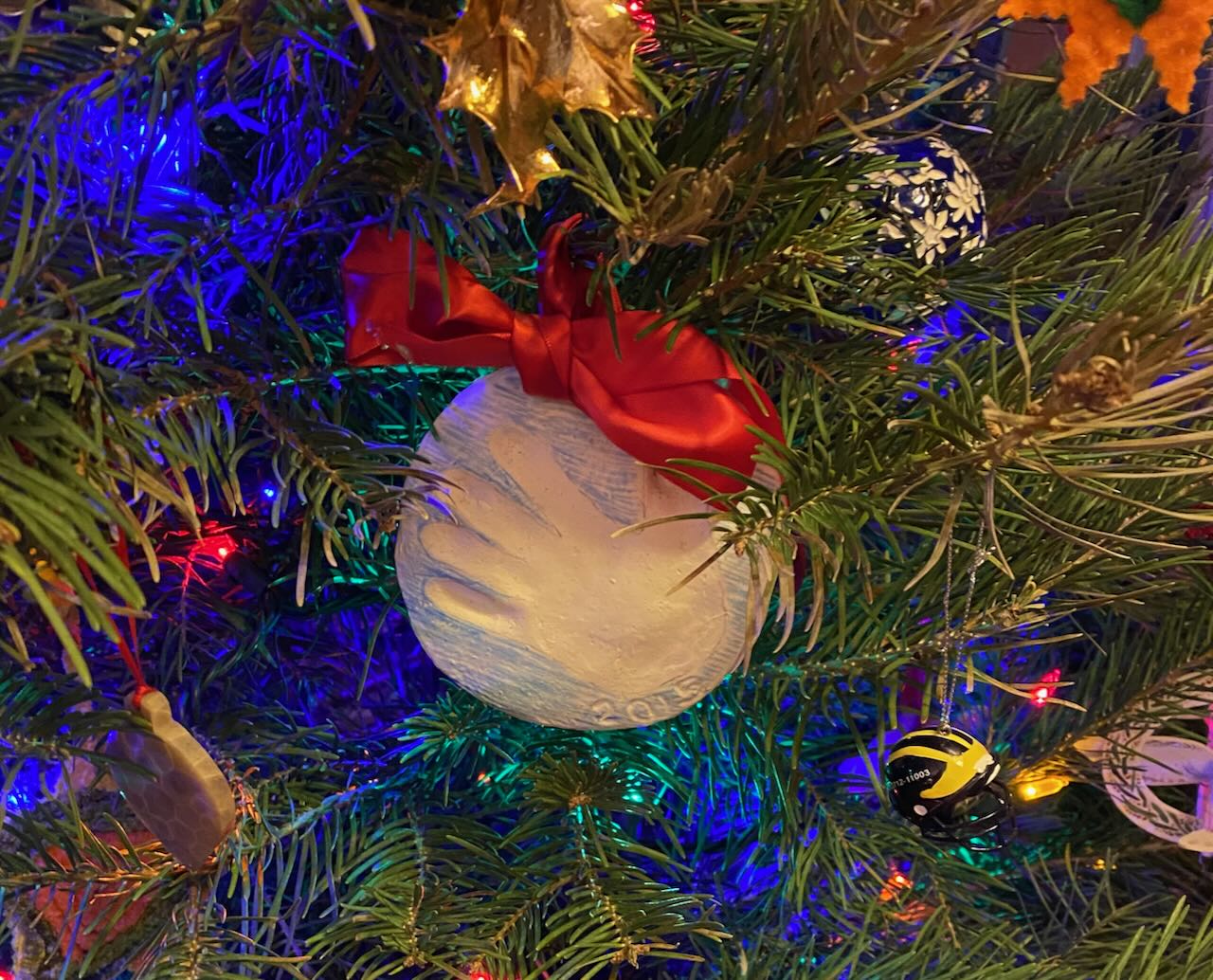
But what about the irreplaceable? People sometimes make the error of assuming that, since I’m a poet, I don’t value material things. Wrong. Poets love things. Keats wrote “A thing of beauty is a joy forever.” Williams wrote “no ideas but in things.” Pablo Neruda, an avowed communist, wrote odes – scads of odes – to material things. He loved them he said, for “the trace of someone’s fingers/ on their handle or surface.” The Christmas ornaments my children made when they were small; the quilts my grandmother made for me; the antique windowseat my father and I refinished together when I was a teenager: irreplaceable. They are safe with me here, in Ann Arbor, but I can only imagine how it would feel to lose them in ash and chaos. “Evacuate” has in it the root for vacuum: empty. Let’s hope the time comes soon when Altadena fills itself back up, and returns to anonymity.

On New Year’s Day

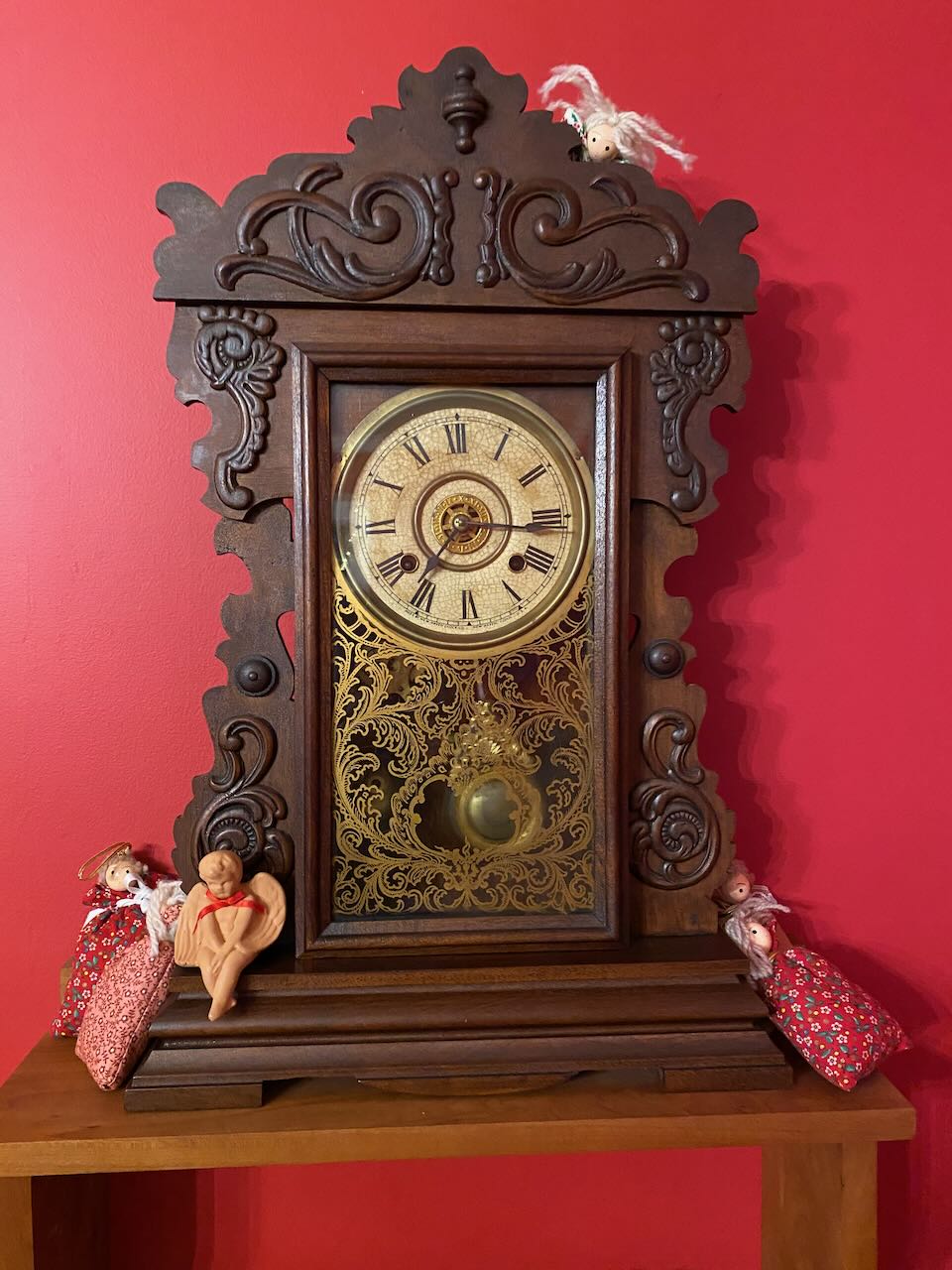
b angel clockHappy New Year, the day that looks both forward and back. This is my antique clock, that rang in the New Year last night as it did through my childhood, when it sat on our living room mantelpiece and it was my job to wind it. I was the one among my siblings who’d wind it slowly enough not to break the mainspring. The little angels visit the clock when I decorate for Christmas, and they will fly back up to heaven, or somewhere, after January 6th when the decorations come down.
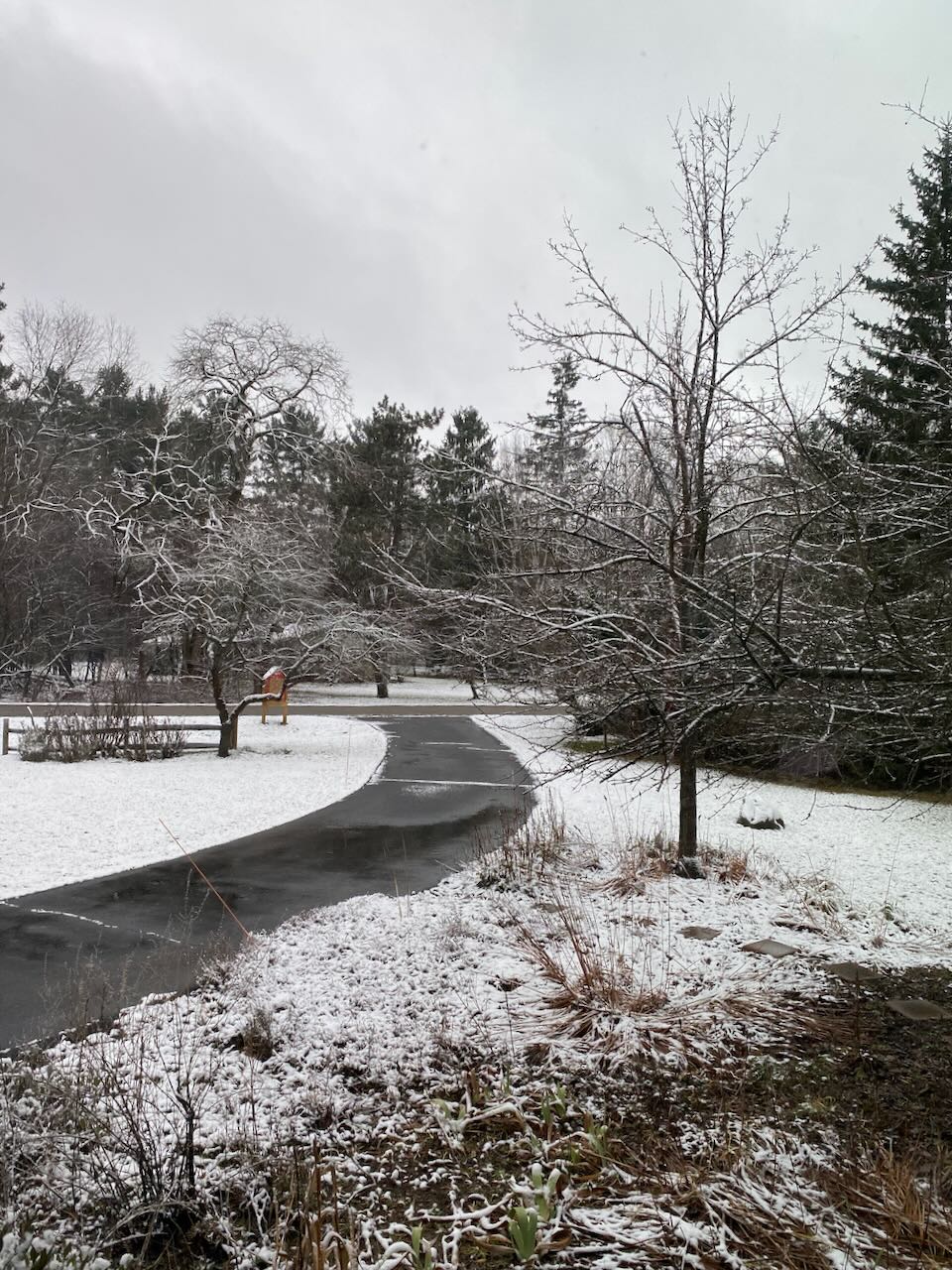
Once again our early December snow vanished, disappointingly, in days of rain before Christmas. So I was surprised, yesterday, to notice what looked like bits if snow surviving on the lawn behind the deck. But wait – not snow. Pillow fluff. It was bits of the pillow fluff the little red squirrel tore out of a deck cushion last August. Did she toss it out of her nest as a bad choice after all? Did its synthetic fluffiness make it too easy for the wind to blow it out of position? I started wondering about nesting materials for squirrels, but tripped over the word – squirrels – and wondered about that instead. Could it be a Native American word, maybe Ojibwa or Ottowa? But no, it’s from the Old World: Middle English from Old French from Latin from Greek, in which it was skia (shade) plus oura (tail), a nice description of the way it holds its tail. How about chipmunk then – was that a native Michiganian word? Indeed, in Ojibwa the word “chipmunks” is “ajdamoog,” turning into chipmunks the same way Ojibwa turned into Chippewa. “Chipmunk” sounds like it should mean cheeky little devil, but it means “one who descends trees headlong,” and is in fact the name of – the red squirrel!

Doug and I toasted in the New Year watching the ball drop in Times Square via television – old school, I guess, not to have streamed it. The temperature dropped overnight, and we woke this morning to a thin snowfall. A little more snow would have covered the yard like a clean sheet of paper, ready for a fresh start. The snow this morning brightened things up but let the past show through, reminding me that’s it’s always there, the base under all new beginnings.

b new year snow