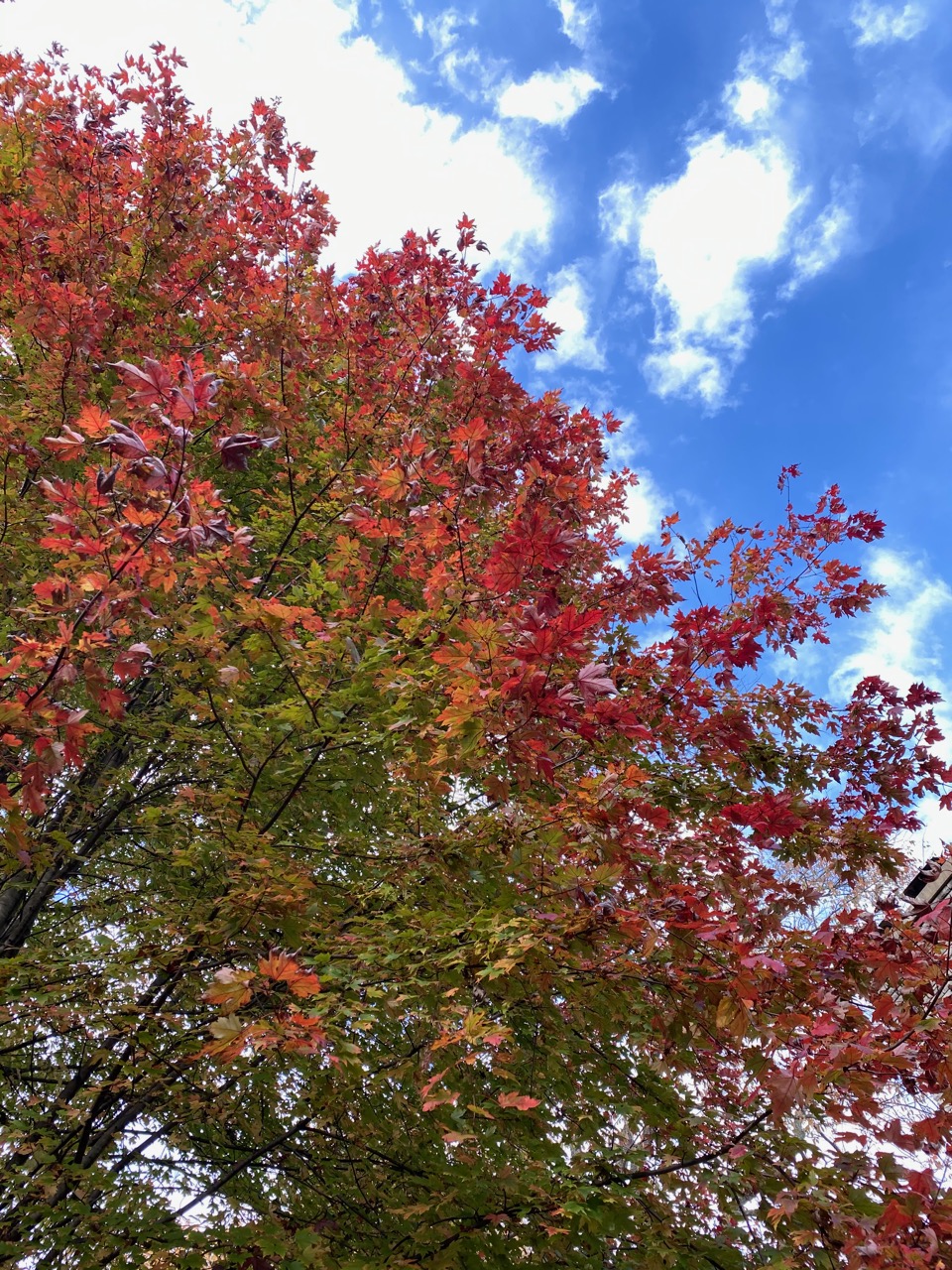
 Autumn is my favorite time of year. This is true even though orange is my least favorite color. I make an exception for it in October: trees, pumpkins, marigolds, be as orange as you want and more glory to you. The colors are especially gorgeous this year, 2020 making up to us a little for its bad behavior. We need all the beauty we can get, and I’m very grateful to have it.
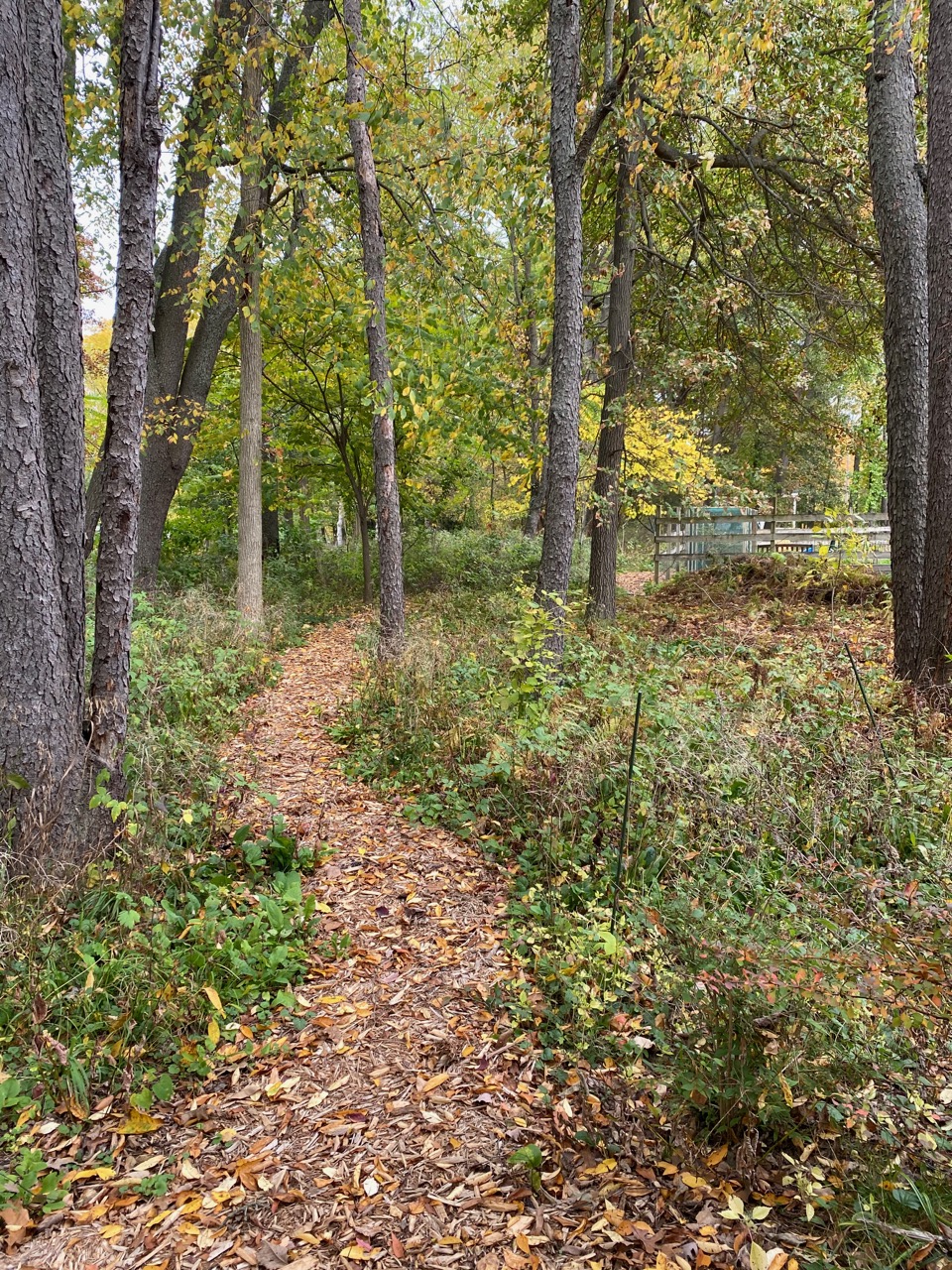 I looked out across my yard this morning to an almost comically busy array of birds and beasts. Squirrels toted chestnuts the size of their heads, deer nosed the ground for fallen crabapples, robins flocked to the red dogwood berries, and the woodchuck wallowed next to the rabbit in the clover. I didn’t get a picture, but you would have thought it was photo-shopped.
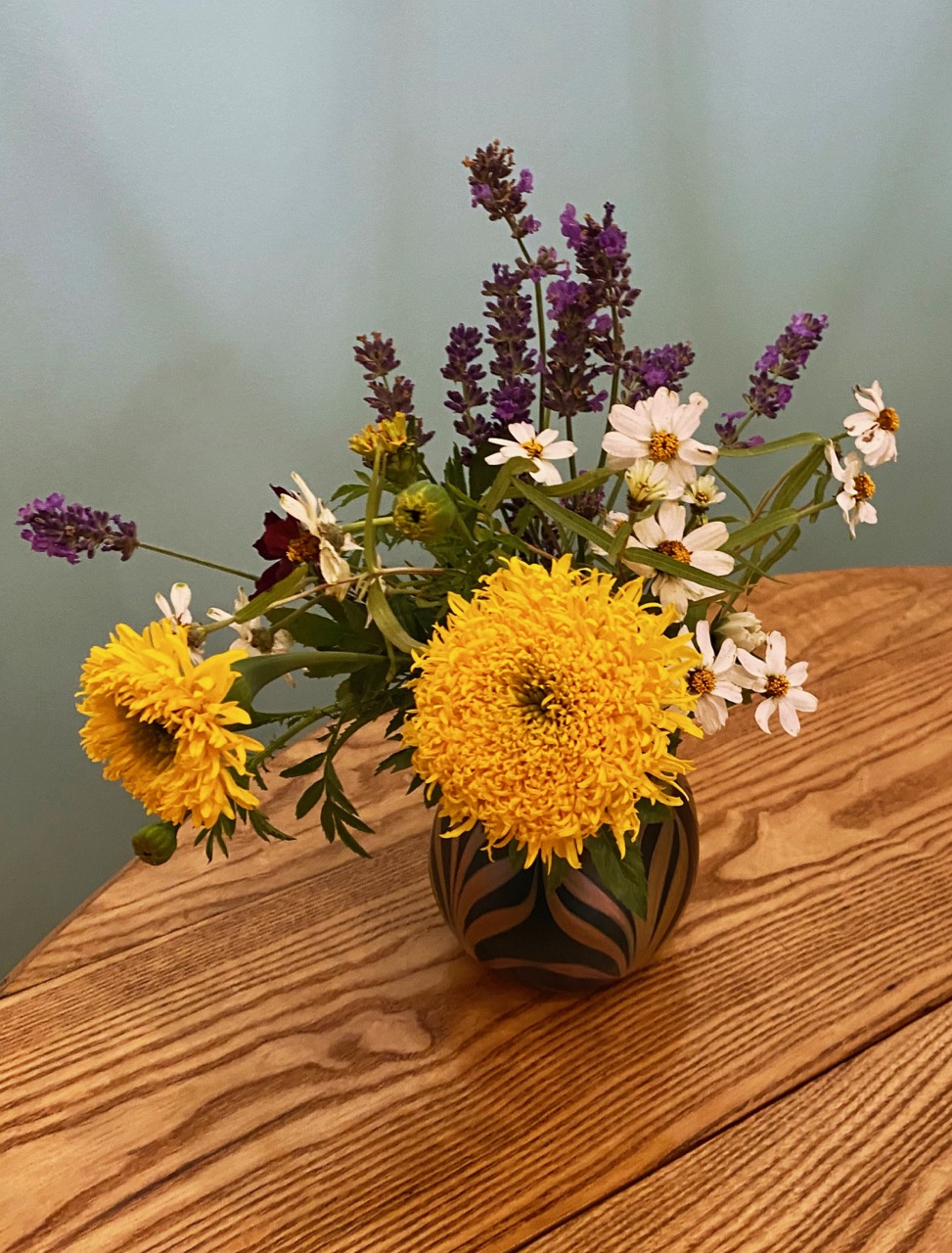
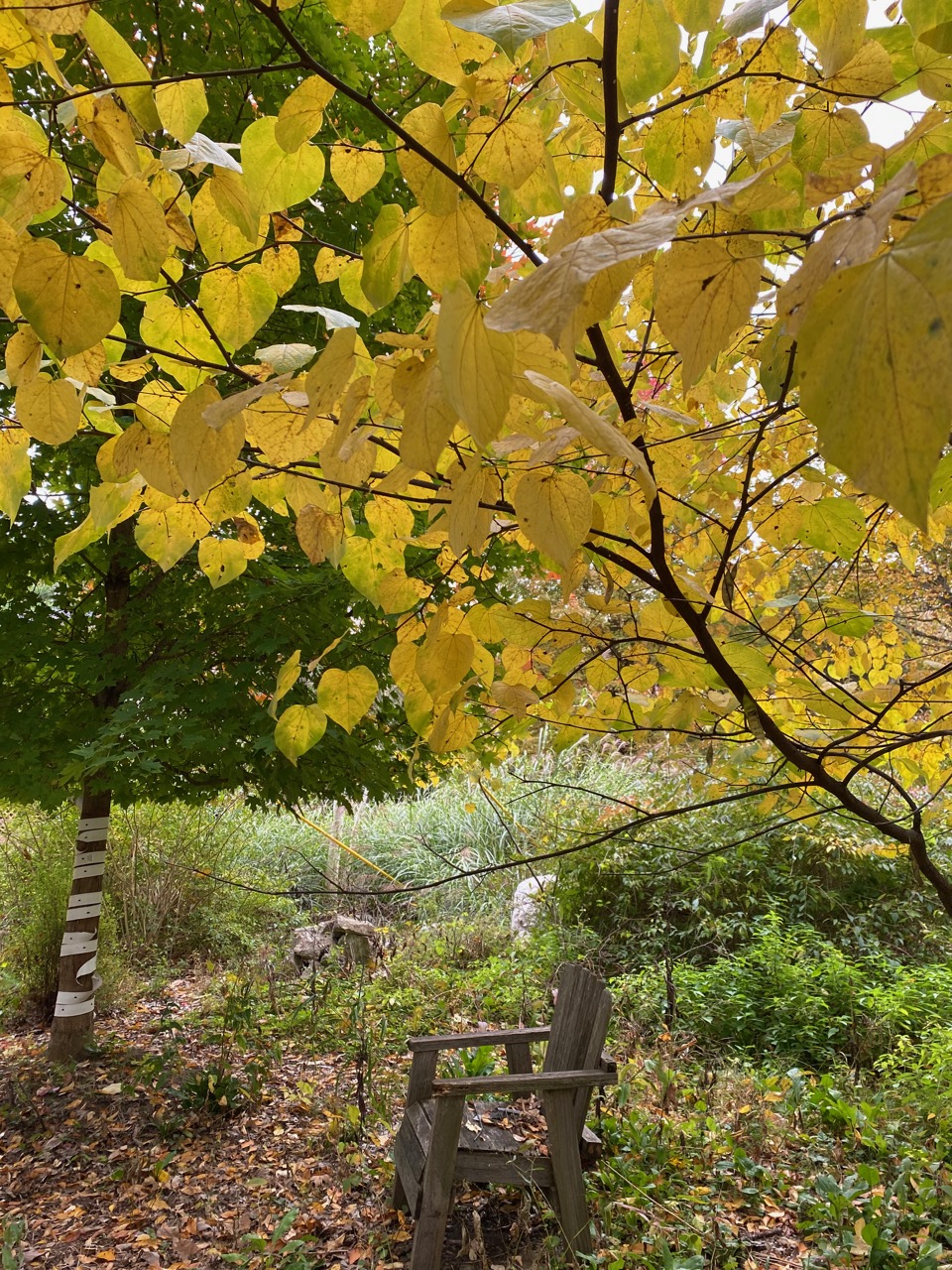 I felt like a slacker in all this activity – my garden’s pretty much done. There was no frost the night I wrote about last time, but tonight I expect there will be. My task of the day was to gather all the rest of the flowers, if you can call that a task. A gift. An honor. A revelry. An antidote to the news, to the pandemic, to politics. After I brought them in I took another walk under the bright trees: redbuds, sugar maples, beautiful and enduring native Americans. As are the cosmos, zinnias, and marigolds. It helps to have great heaps of beauty when ugly things are happening. Drown them out, trees and flowers, drown out the ugly noise.
 the flower beds. An early frost is heartbreaking, because it’s generally followed by weeks of good growing weather – but there are all your plants, dead. So we draped the beautifully named Floating Row Cover over the tops of the tomato stakes, the heads of the zinnias, and the bodies of the eggplants, and went inside. In the morning there was frost on Doug’s car out in the driveway, but none elsewhere. I undraped all the ghostly fabric trappings, folded them up, and brought them in, leaving the tomatoes to ripen in renewed sunlight.
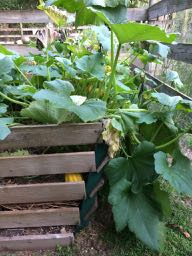
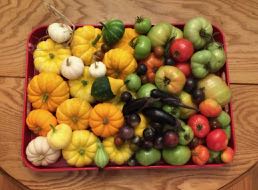 Time to bring in the last of the harvest. I saw the globes of green tomatoes, the towers of zinnias, the blowsy sprays of cosmos, but good heavens, where were all these little pumpkins hiding? I’d been feeling very cross about my crop of Jack Be Littles and Baby Boos producing nothing but huge leaves. Aha! Under the huge leaves, the little pumpkins were laughing at me. Then again, from the top of the compost pile some very large volunteer pumpkins were also laughing at me. These winter squash are quite the tricksters.
 I won’t know till morning whether frost got the garden. Frost is another trickster. It brushes past here, settles over there, pools in a place you never noticed and maybe don’t believe is at the bottom of a slope. It may powder the lawn and draw crystals in the birdbath, but when the morning sun hits, they’re gone. You see the damage that was done among the ravaged, tender plants, but the perp is nowhere to be found. There’s nothing to do but gather up the evidence and cart it out to the compost. Partly I’ll be sad. Partly I’ll be wondering what that compost pile will surprise me with next year.
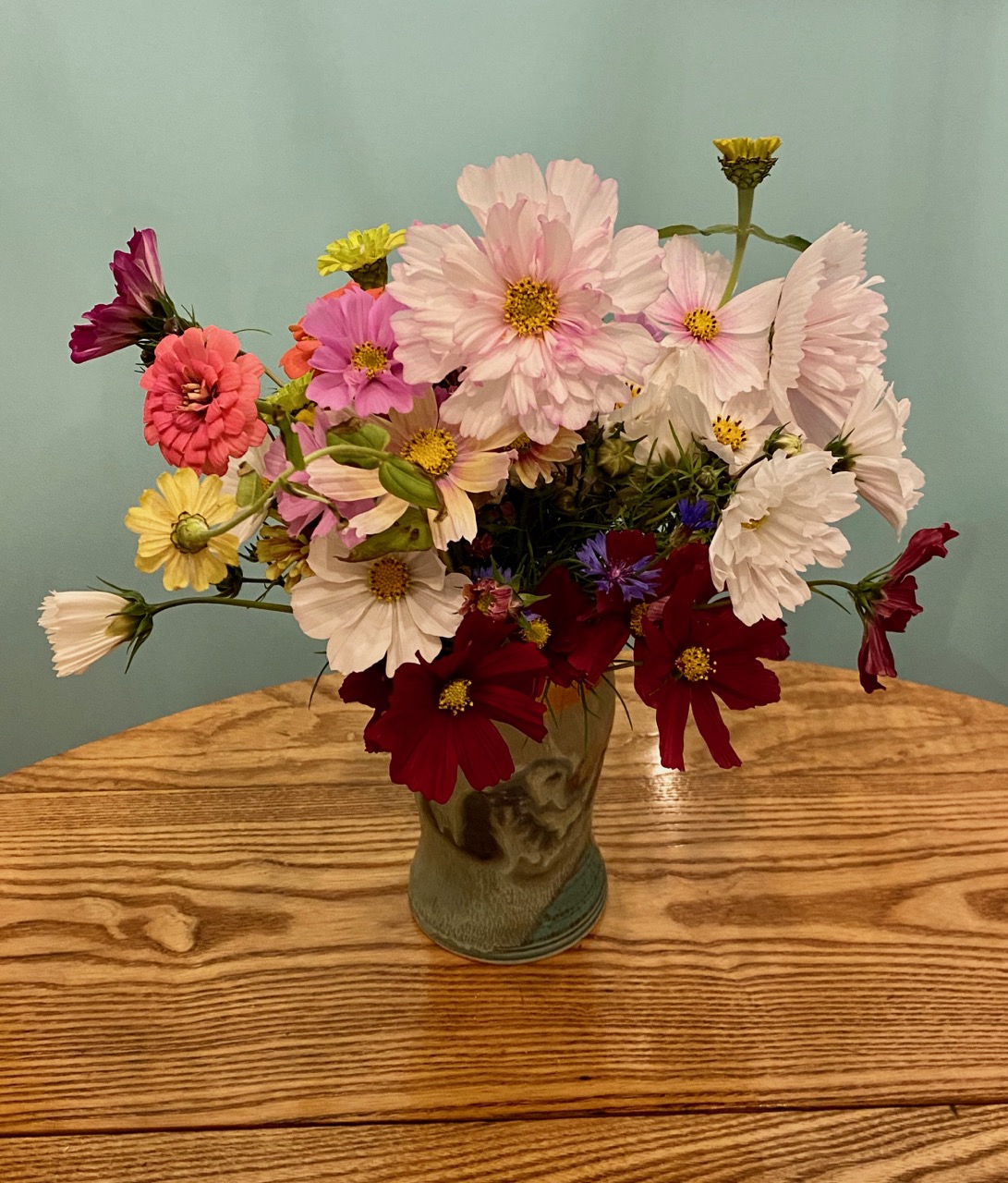
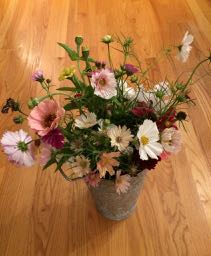
 Summer slides into fall, and the late bloomers are in their glory. How can I not love that? Cosmos and zinnias that were nothing but leaf and stem through July and half of August are bursting with flowers now, and will keep it up until the frost comes. I chose the zinnia seed by color, mostly creams, pinks, and corals. Cosmos turns out to be available in ruffled versions, as well as the classic wide skirt, so I planted them in a variety of shapes and colors – inside the garden fence, because deer can’t be trusted. The bouquets just keep on coming,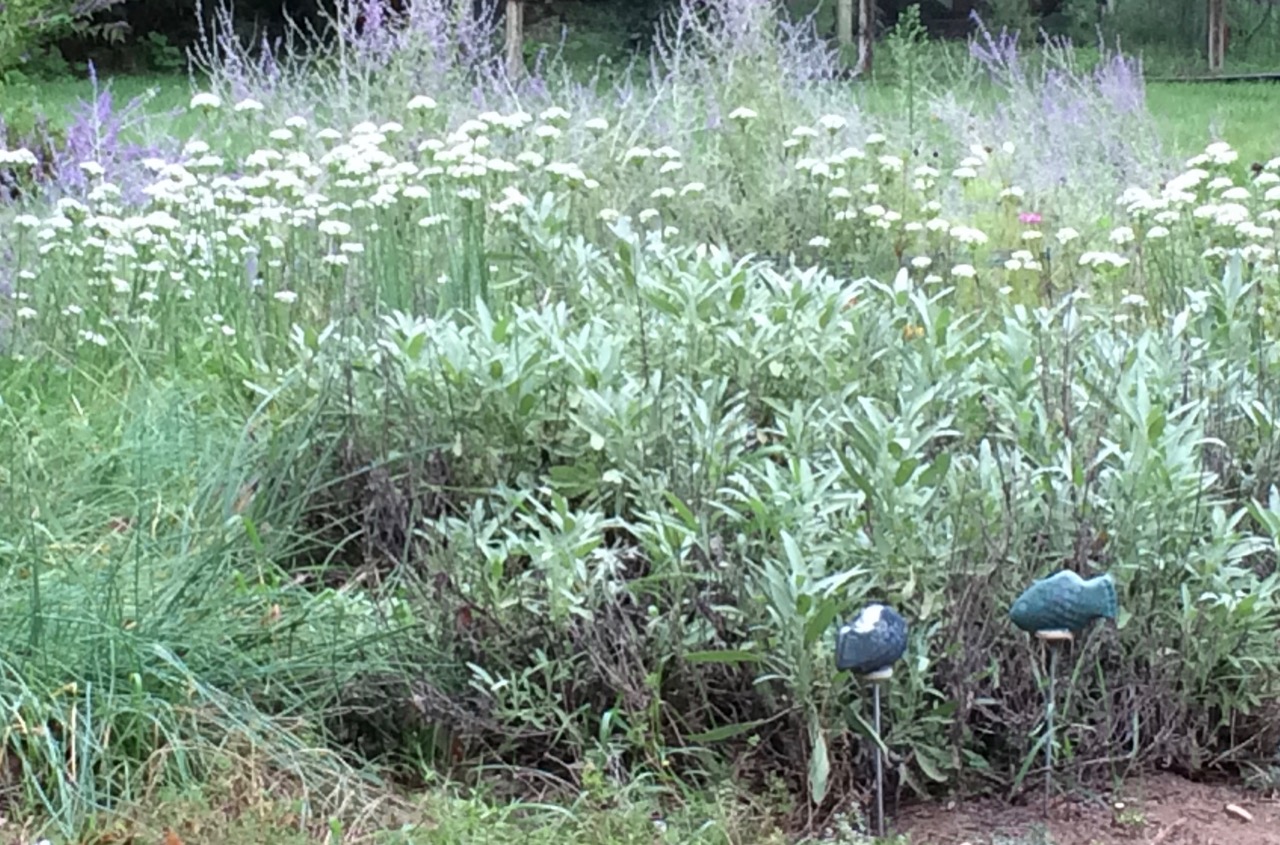
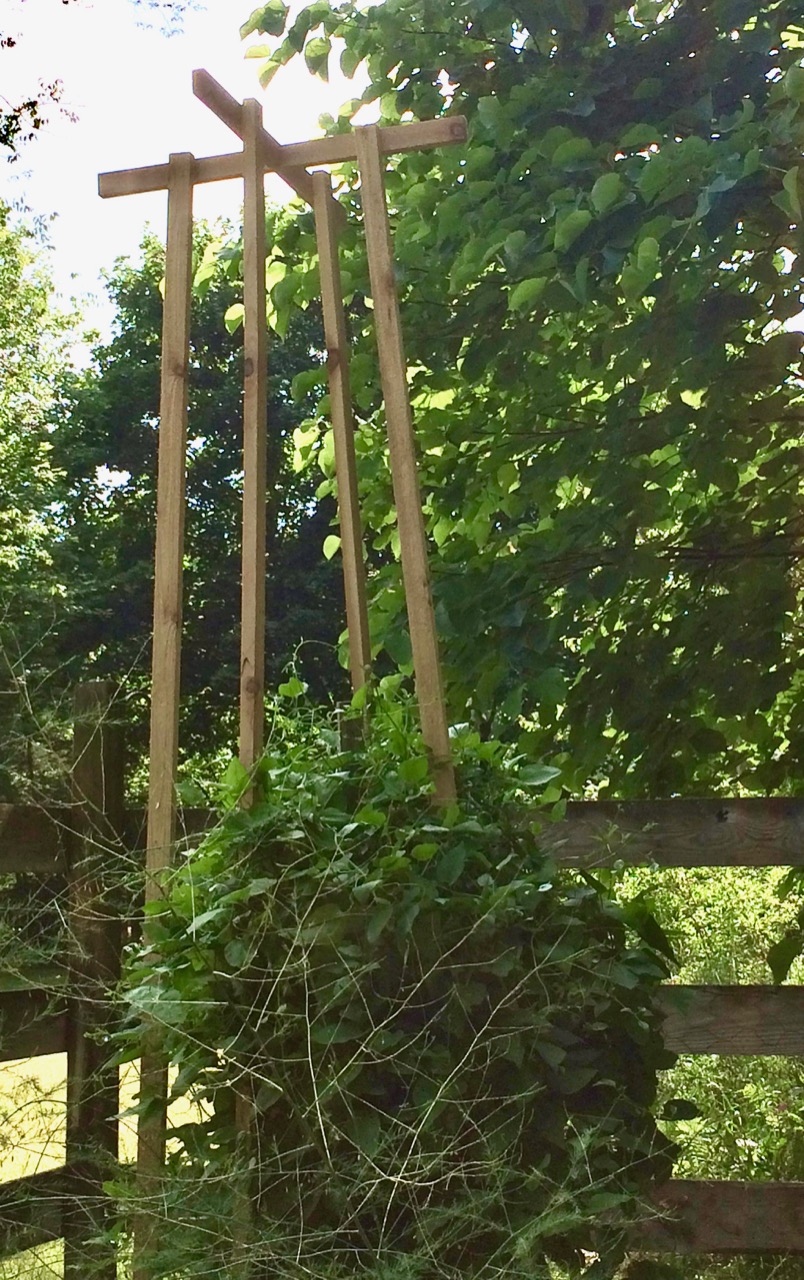
 But the star of the yard is the clematis. Remember the clematis? Autumn clematis, it’s called, and the photo shows why. The new trellis supports it well, does an excellent job of keeping it off the asparagus, and has room for another year or two of growth, or so I hope.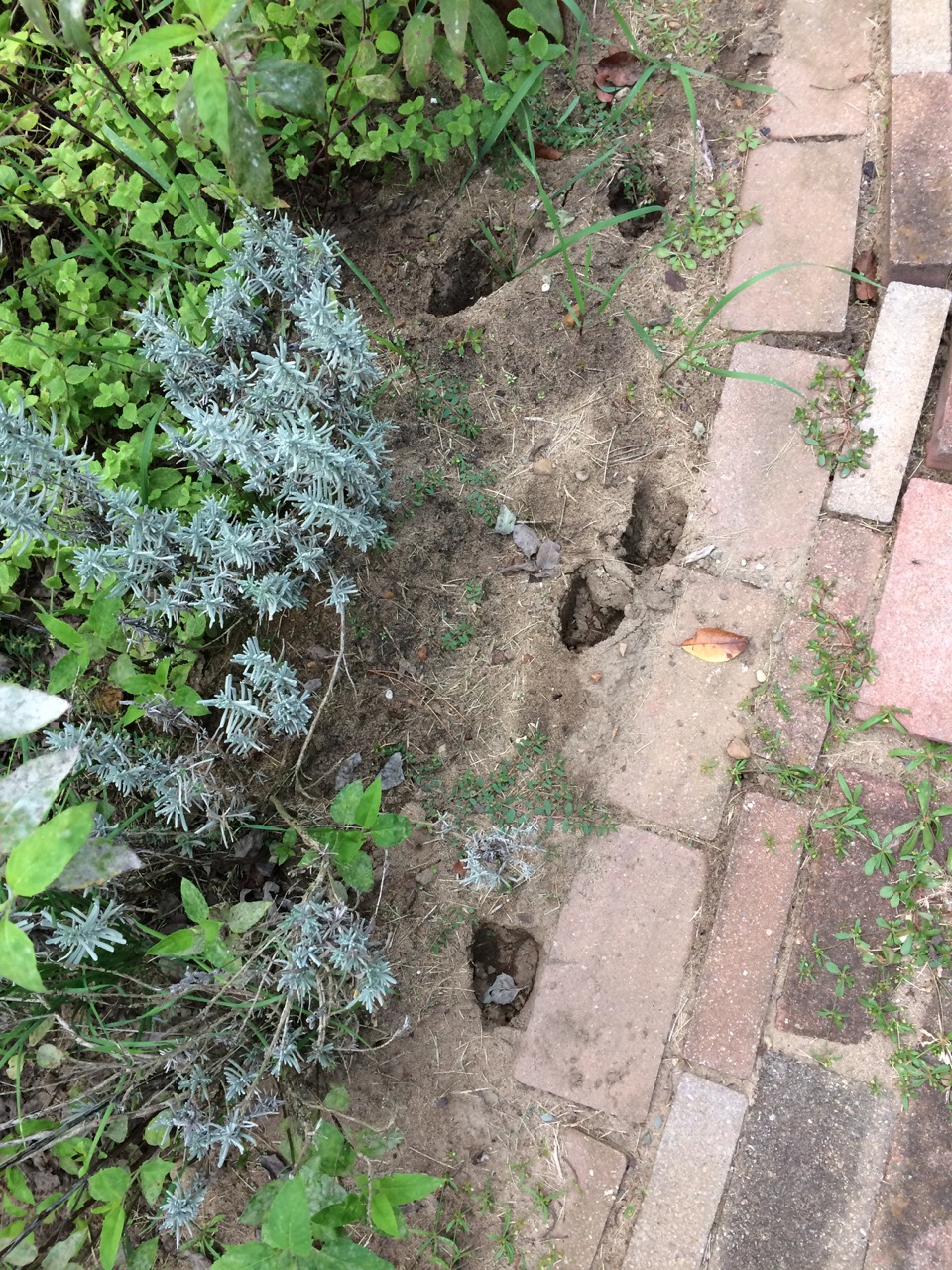
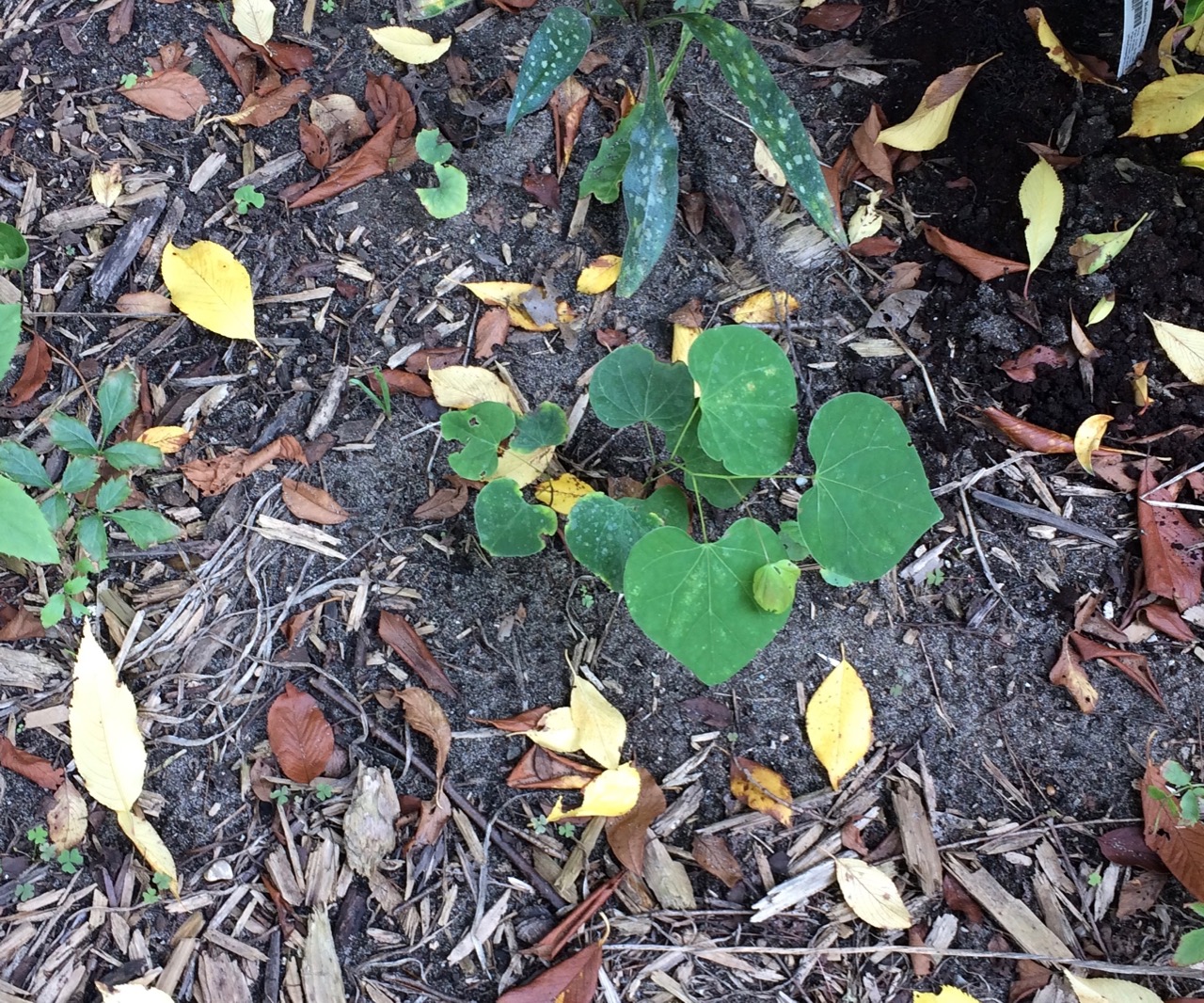 Weeding the front garden bed last week, I discovered a redbud sprout several inches tall. I was sure it wasn’t there the week before; but how could it not have been there the week before, and be several inches tall now? Then I went to thin interlopers out of the lamium, and darn if there wasn’t another redbud. I pulled thistles from under a pine tree, and well, look – a whole redbud grove. There was one in the fenced garden. One in the blueberry cages. One against the garage wall.
 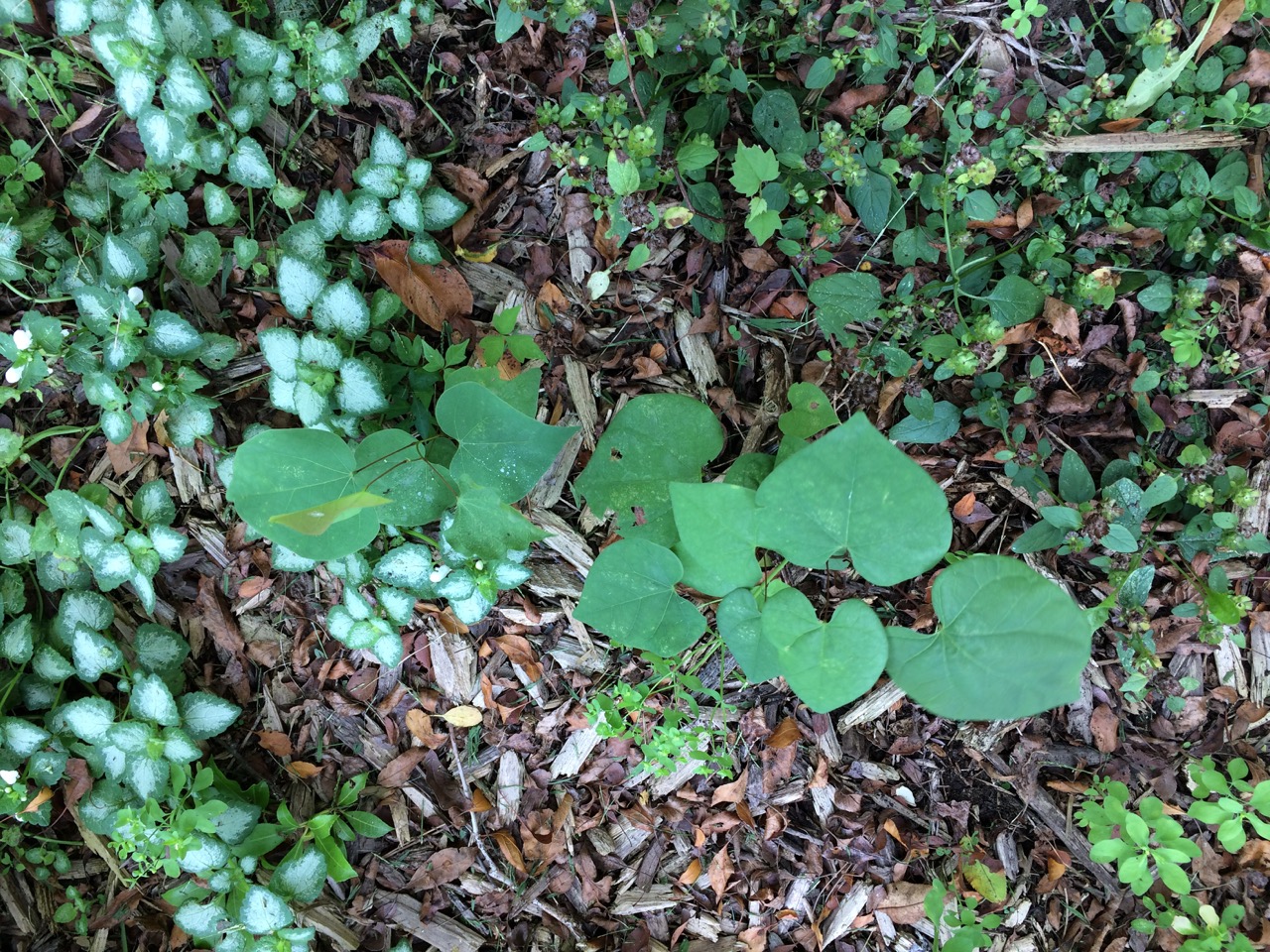 They were everywhere. I had never seen this amount of redbud fecundity before. Was it the long, cool spring? The alternating hot/chill summer weather? Had the deer been eating them before and now suddenly had a change of diet? Was it just because this is the strangest year ever?
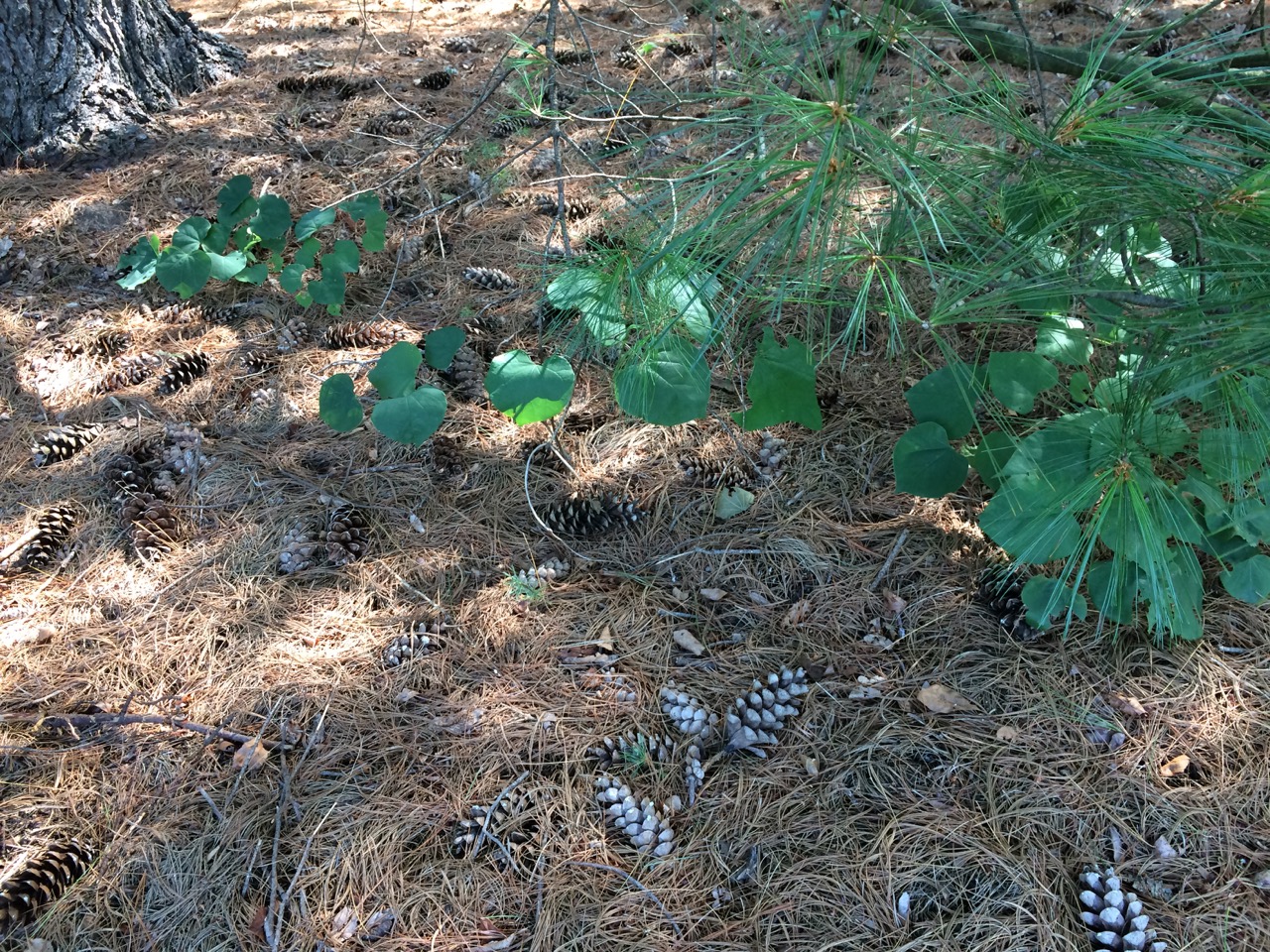 Well, they are beautiful trees. We planted a couple when we moved in here, but little did we know they would generate so many volunteers. If I’m going to have a redbud forest, I thought I should learn something about their care. So I went online. I read that they live 50 to 70 years, and I read that they seldom lived more than 20. I read that they weren’t picky about soil, and I read that they needed soil that drained well. I read that they liked sun and I read that they required shade. Most disturbingly, I read that they were also called Judas Trees. I was dubious, because they’re small and don’t have the kind of structure a person could easily hang himself from. Clearly, at least half of this information was of very poor quality, and naturally this made me doubt all of it.
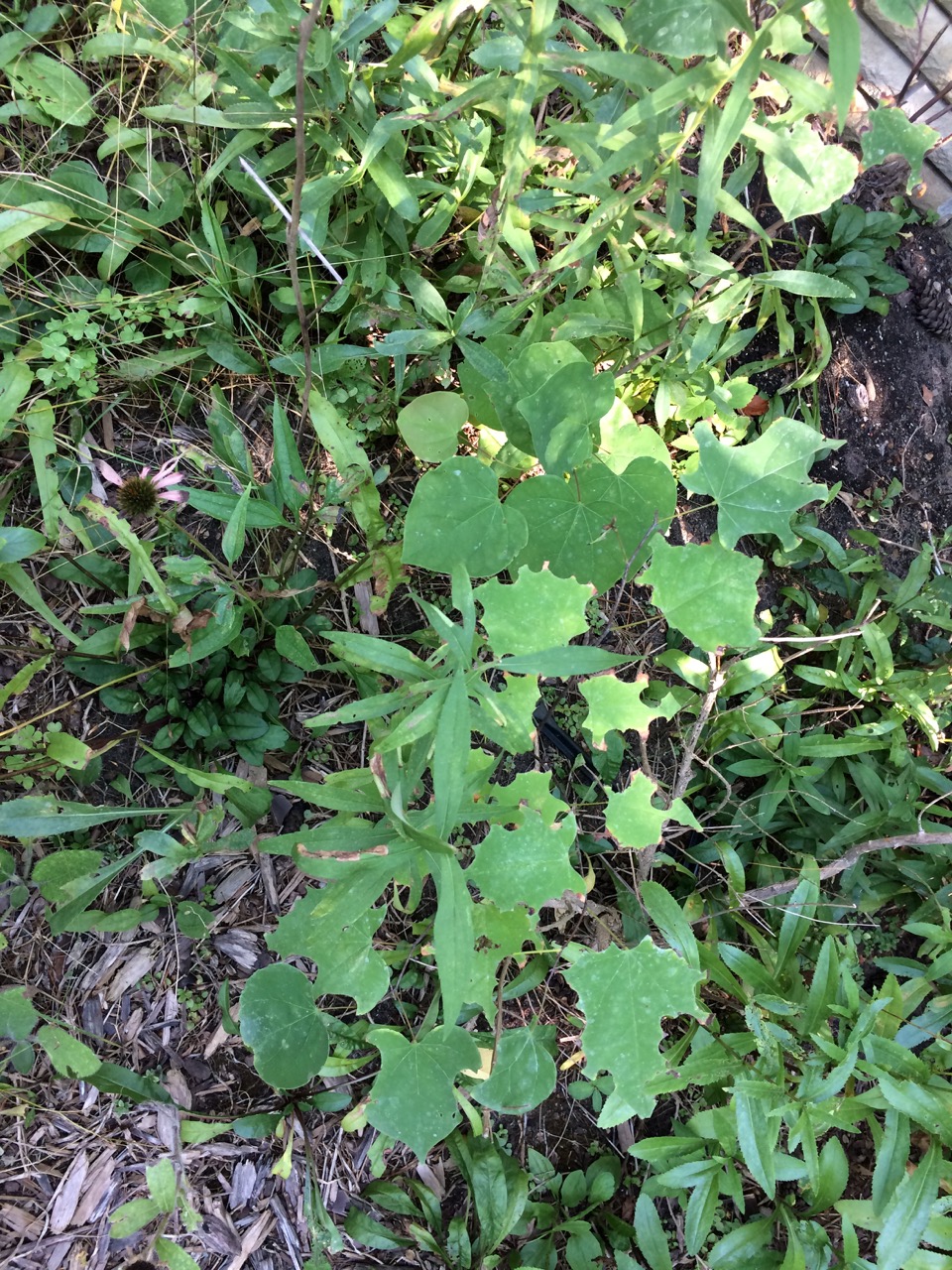 So the redbuds and I are on our own. We will do this without help from the Magical Intertubes, though I am using them to tell you this tale. I plan to pay close attention to what the redbuds are doing out there, encourage those that thrive, and transplant those that don’t. Dream all you want about a garden, if it’s not a fact-based operation it will fail.
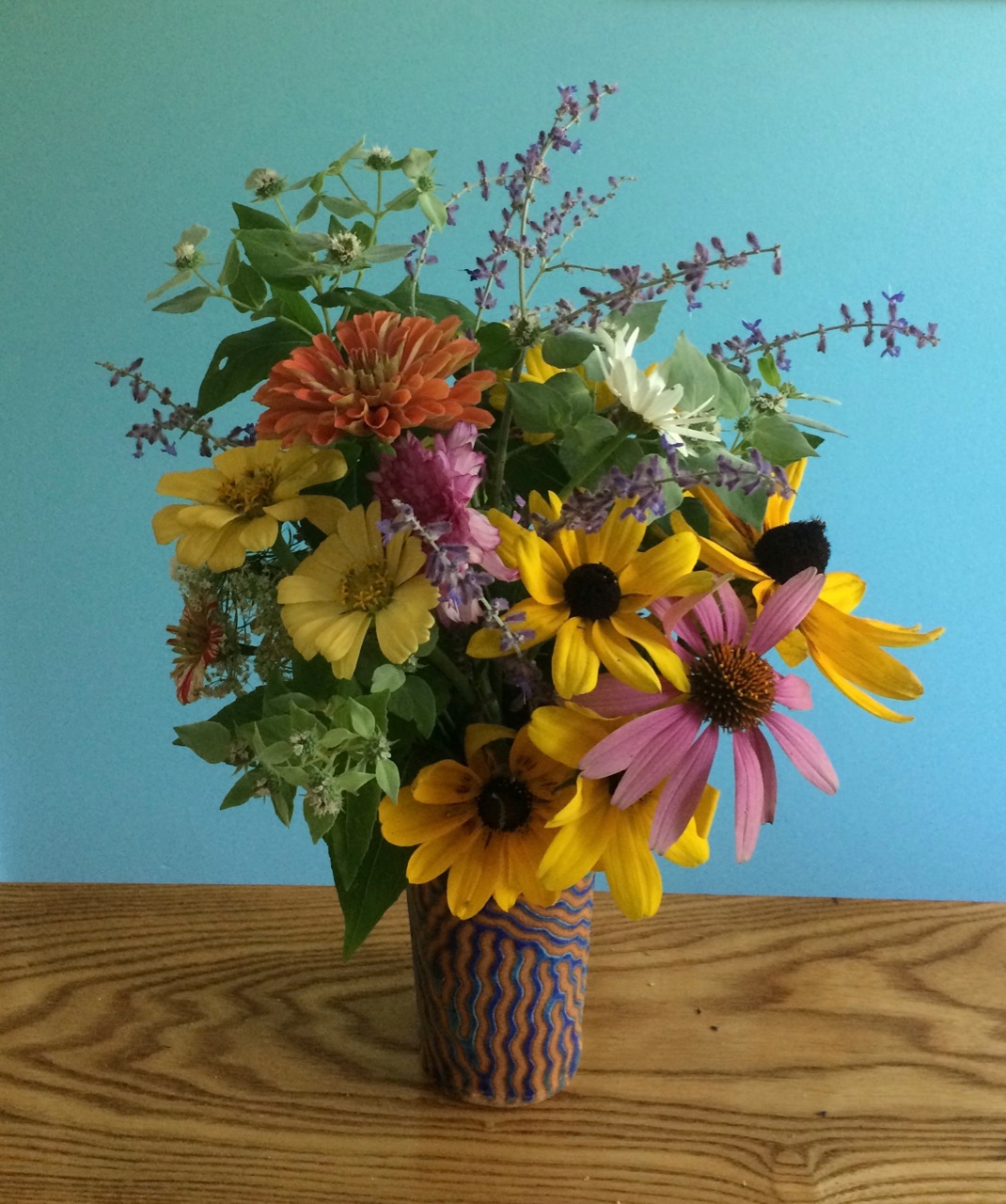 bundle into the house for bouquets. The flowers mostly grow in their raised beds, but a few volunteers decorate random spots and edges of the garden. Volunteer cosmos: a lovely phrase.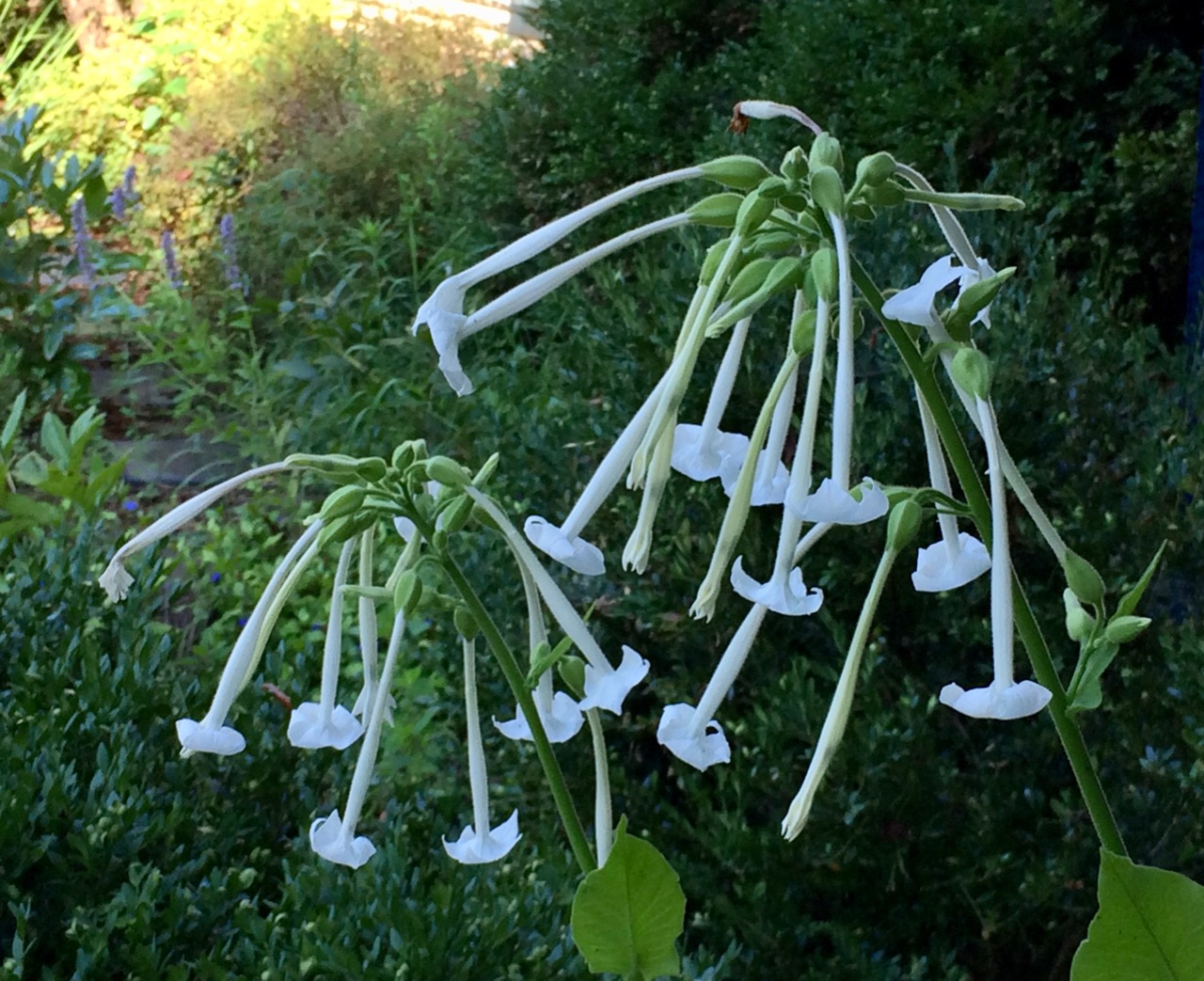
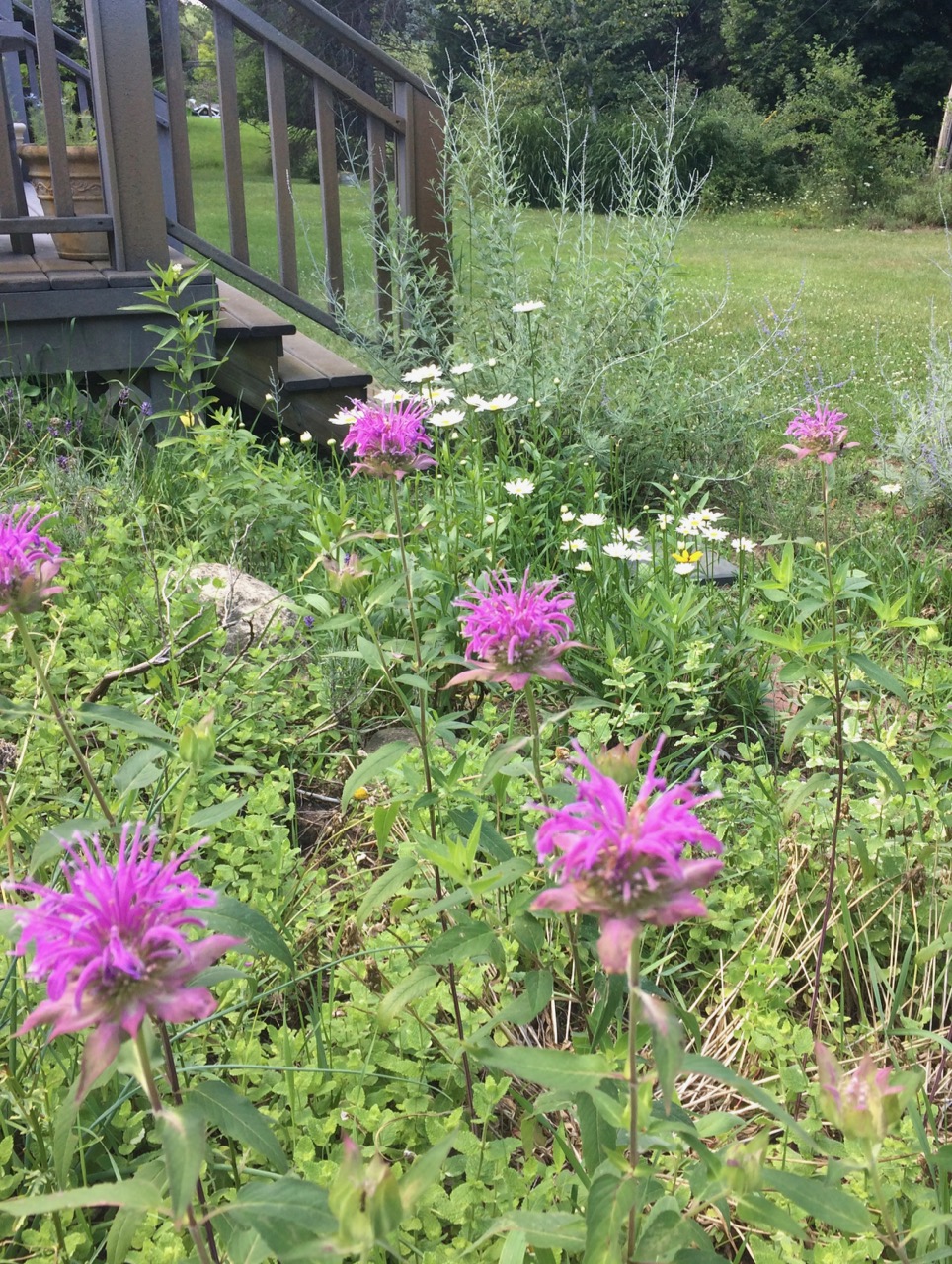 Charlie came with his ride-on mower and cut my lawn yesterday. During the ban on yardwork my laissez-faire lawn got terribly uneven and lumpy looking, but Charlie has now smoothed it back into a semblance of suburban lawn. This is typically a contact-free event anyway – Charlie drives up in his truck, powers the mower across the yard, runs the trimmer, runs the blower, and off he goes. We like to chat if I’m outside, but in the interest of Social Distancing I’ll just wave for now.
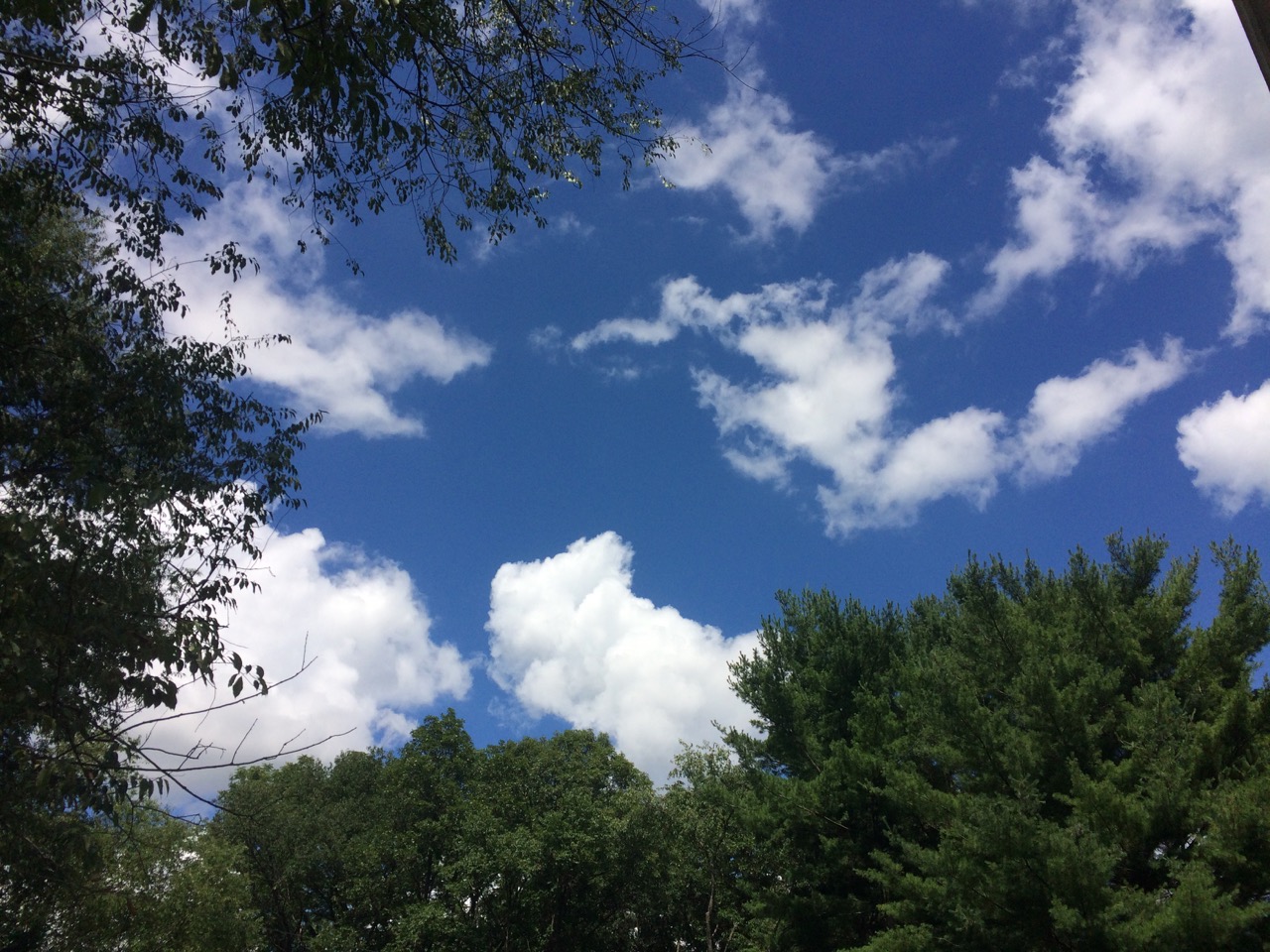 browsing, lunches with friends, and visits with far-flung family are cancelled. But when I walk outside and see the lawn, the flowers, the garden, the trees, the sky, I feel the calm and satisfaction they have always brought me, huge, deep, and familiar, and other considerations fall away. Deep breaths. Yes, the world is still here. What a relief.
 themselves before, but this had been a generous spring for horticulture, if not for human health.
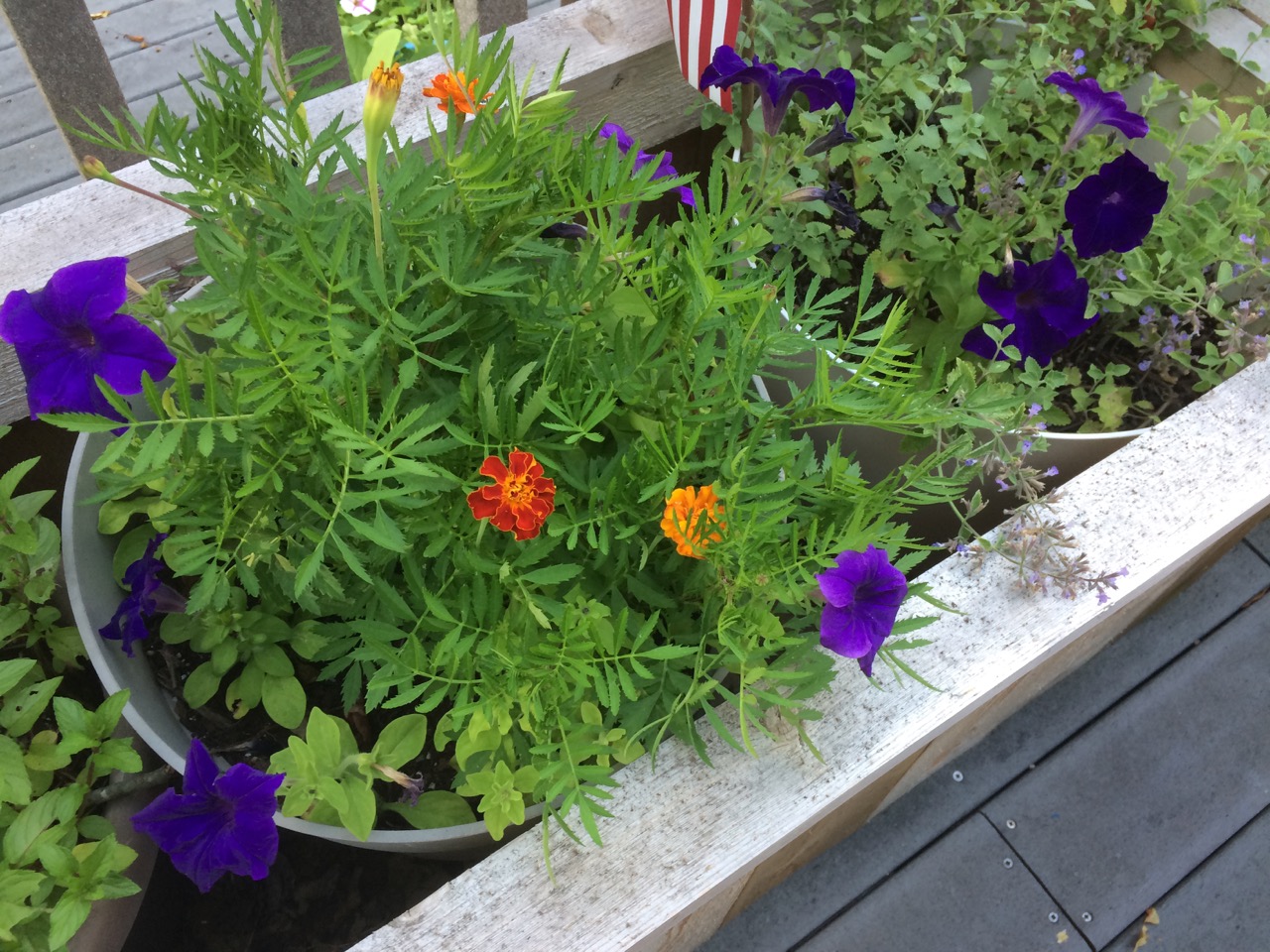
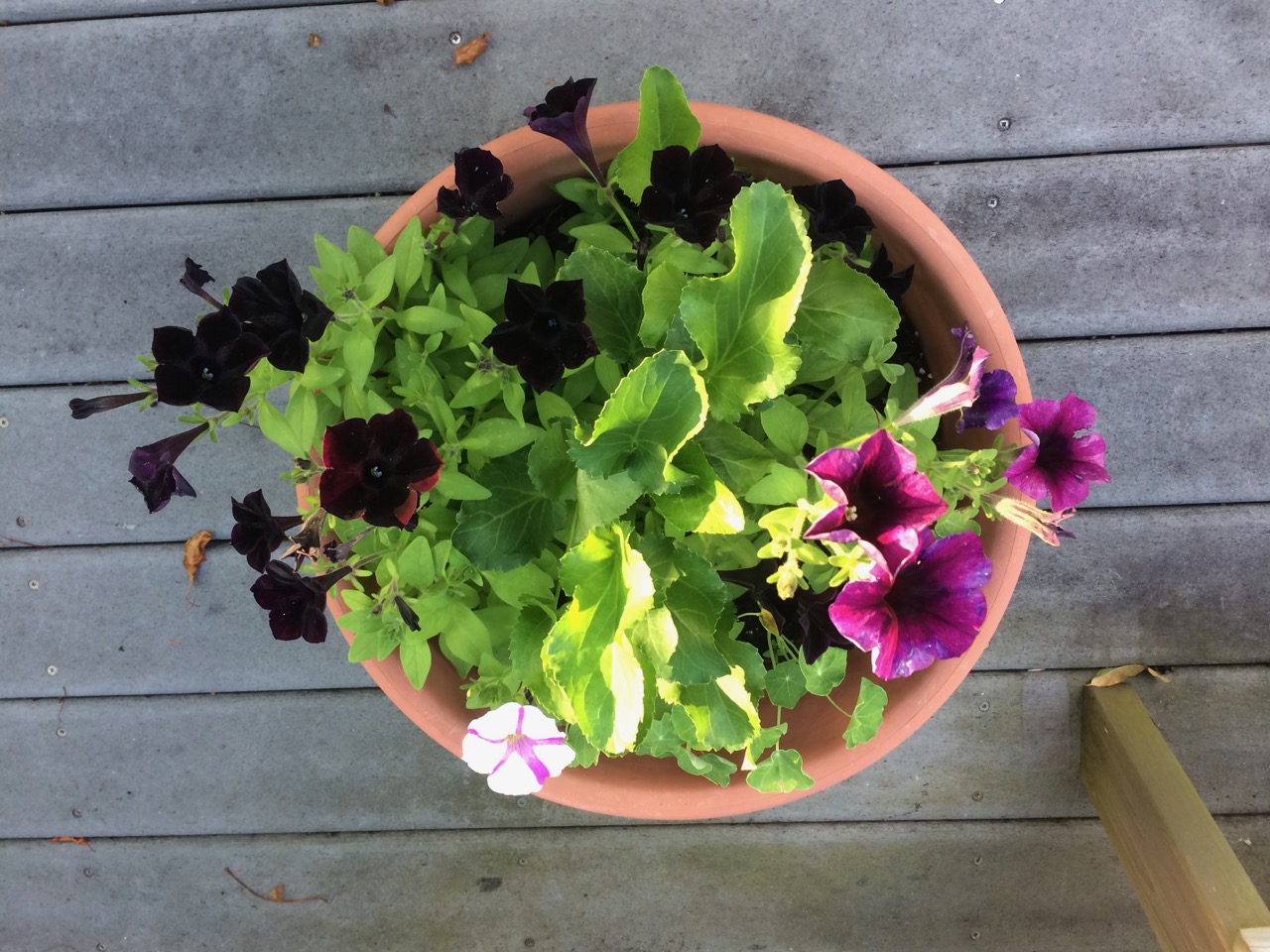 And time did. Petunias happened spontaneously among the marigolds, with no input from the gardener. Last year’s petunias were one group of black and one group of very pale yellow. The photos show how they organized themselves for their comeback. According to Burpee, “petunias are sensitive to high temperatures and may change color or produce a stripe when they too warm.” The next surprise will be to see if they change to last year’s colors when the weather cools.
 somewhere else to go. It found the innocently growing ferns of the asparagus patch, and swamped them.
 It had thin spots, jagged edges way up high, rambly bare twigs, but still managed to produce a bumper crop of fruit suitable only for chipmunks, a thin scrim of flesh over a fat seed.
 Robin Richstone