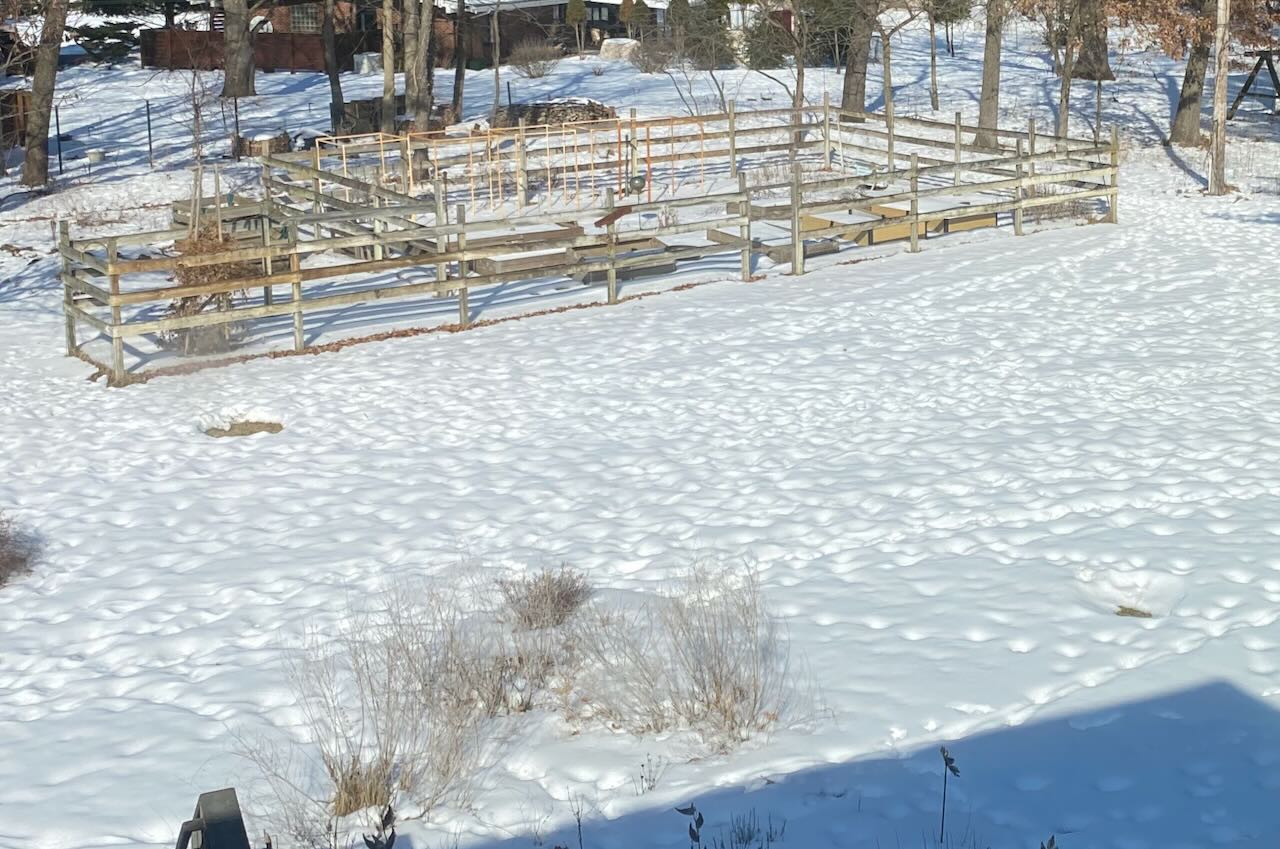
The weather’s been having a lot of fun with us. Over the last week we’ve been up and down the thermometer from ten degrees to fifty and back, with the coming week predicted to do the same. In the warm spells the snow goes, and when the snow goes we lose a lot of information. In this photo from a few days ago, you see a clear demonstration of why I only grow my tomatoes behind a fence. A few other animals wander through, but that’s mostly the heart-shaped hoofprints of deer.
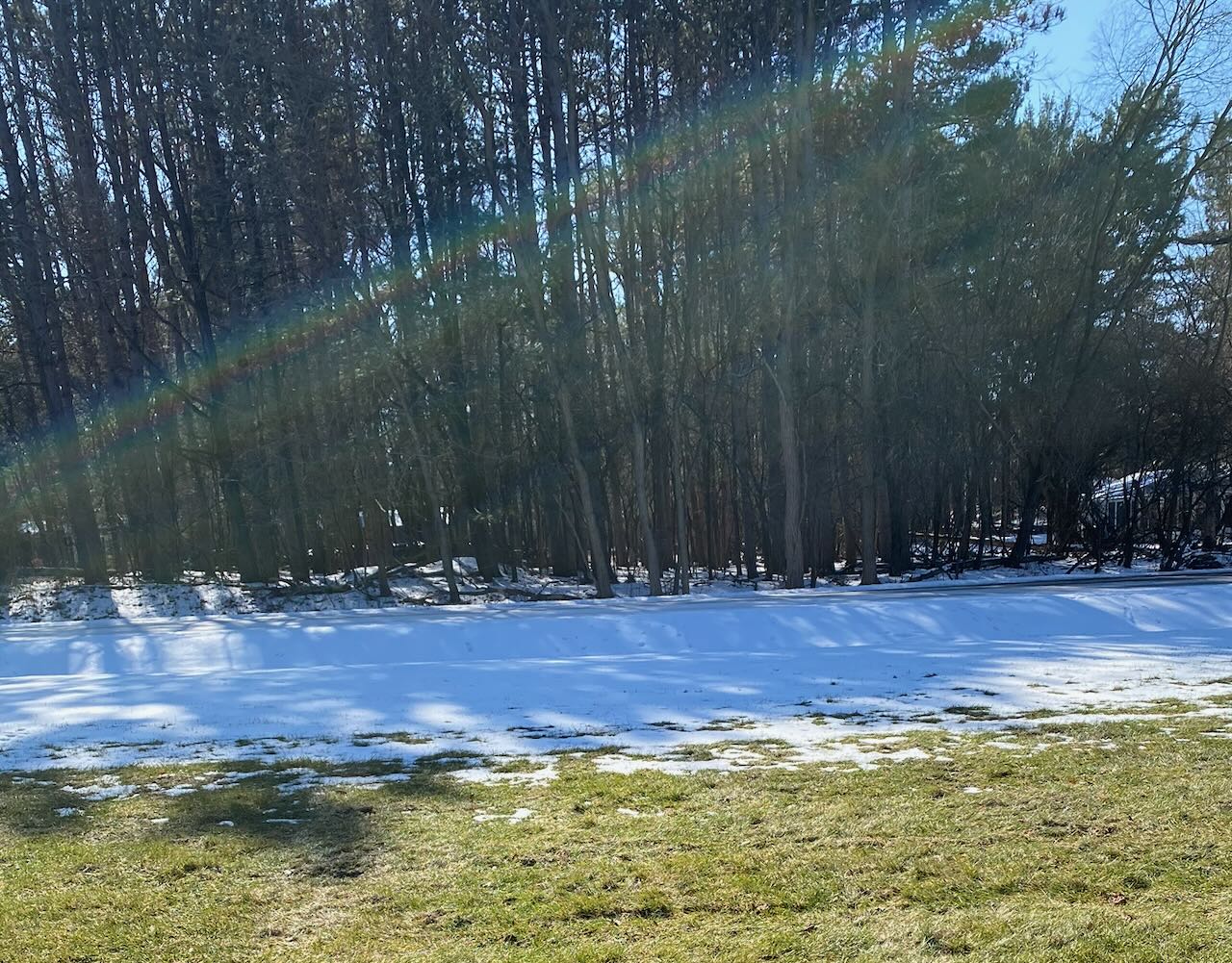
That evidence is gone now, but the strengthening light has its own games to play. To me this photo shows the lovely effect of the sun’s rays reaching out like fingers of a warm, gentle hand. My grandmother saw it as “the sun drawing water.” I thought that was awfully prosaic, but it’s another possible point of view: where I see something coming down, she saw something going up. It’s so common for different people to look at the same thing and see it differently, it must be an advantage to a community – whatever’s happening in the world, you have options in deciding what to do.
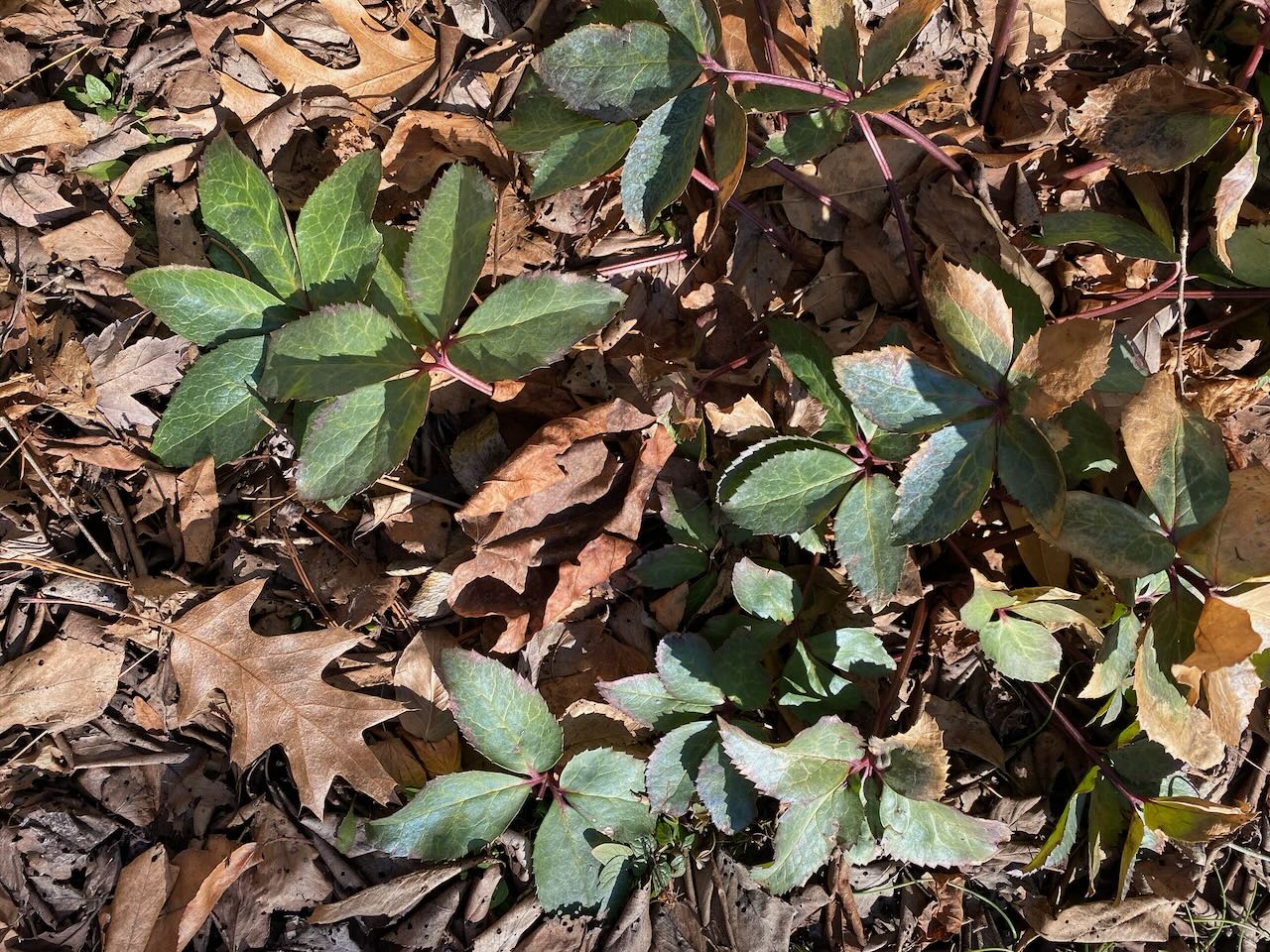
Whether the sun is pulling them up or their roots are pushing them out, my hellebores are positioning themselves to be ready for the race to spring. They don’t exactly die back in winter but they lie low. Their newly perked-up posture chimes with their nickname, Lenten Roses, and bodes well for flowers well before Easter.
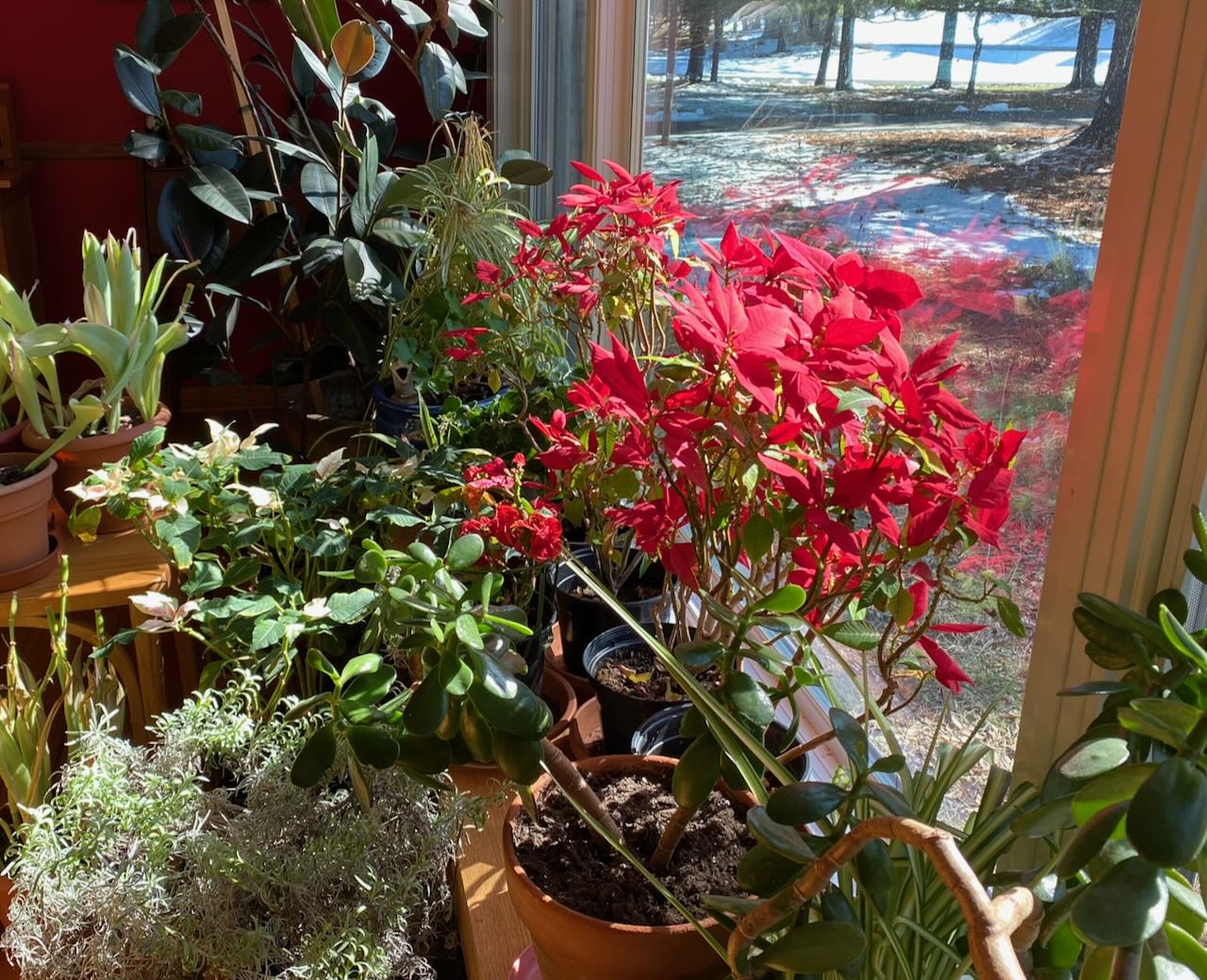
The increasing light also plays games with my indoor plants. From the dining room window it looks like there’s something red blooming outside on the snow, or at least some persistent fallen leaves. But no. It’s the reflected glory of the poinsettias, the window partly a mirror and partly transparent in this particular afternoon sunshine.
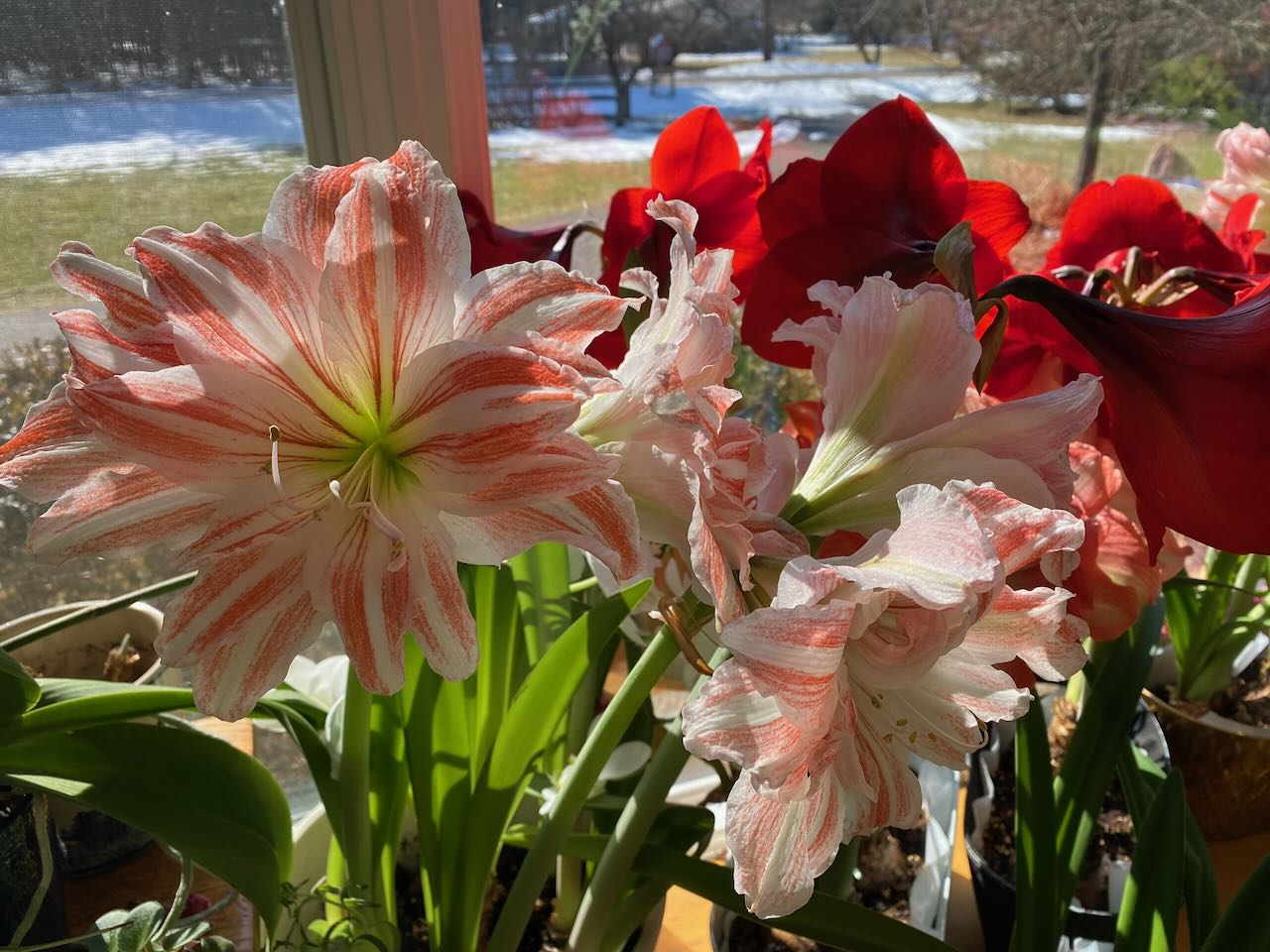
There’s a little of the same thing going on at my studio window, though you have to look beyond the riot of frills and frolic that is my amaryllis collection to see it. The red phantom of an amaryllis has materialized way out by the road, where a last strip of snow hangs on in the shadows. Is it a ghost of the past winter? A mirage of the coming spring? Now new snow is falling, thin and unconvincing, much of the ground too warm to sustain it. The red ghosts are gone but their fleshly originals are still at my windows, stretching out to lean against the glass, in case the sun calls on them again for a bit of magic.



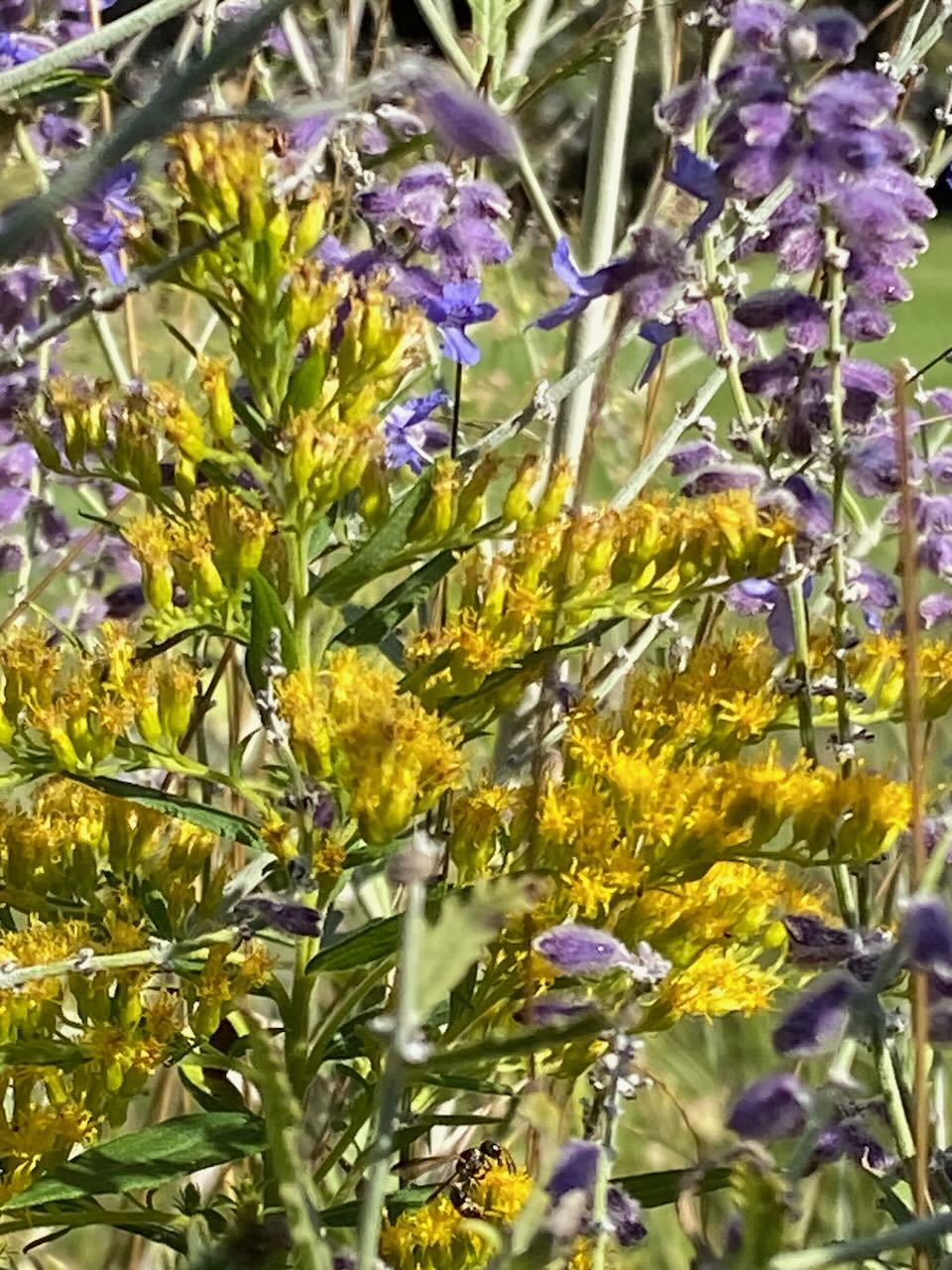


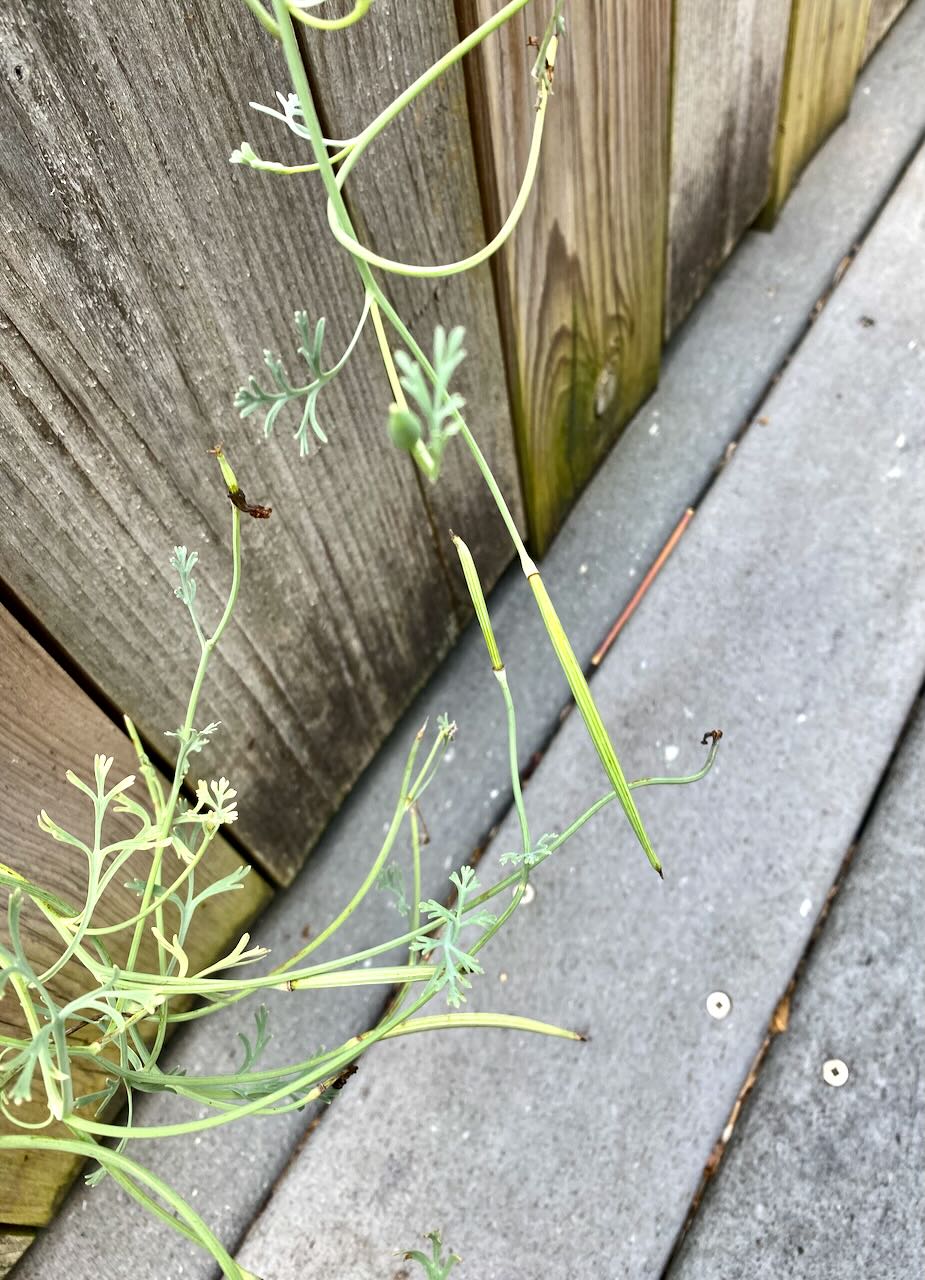


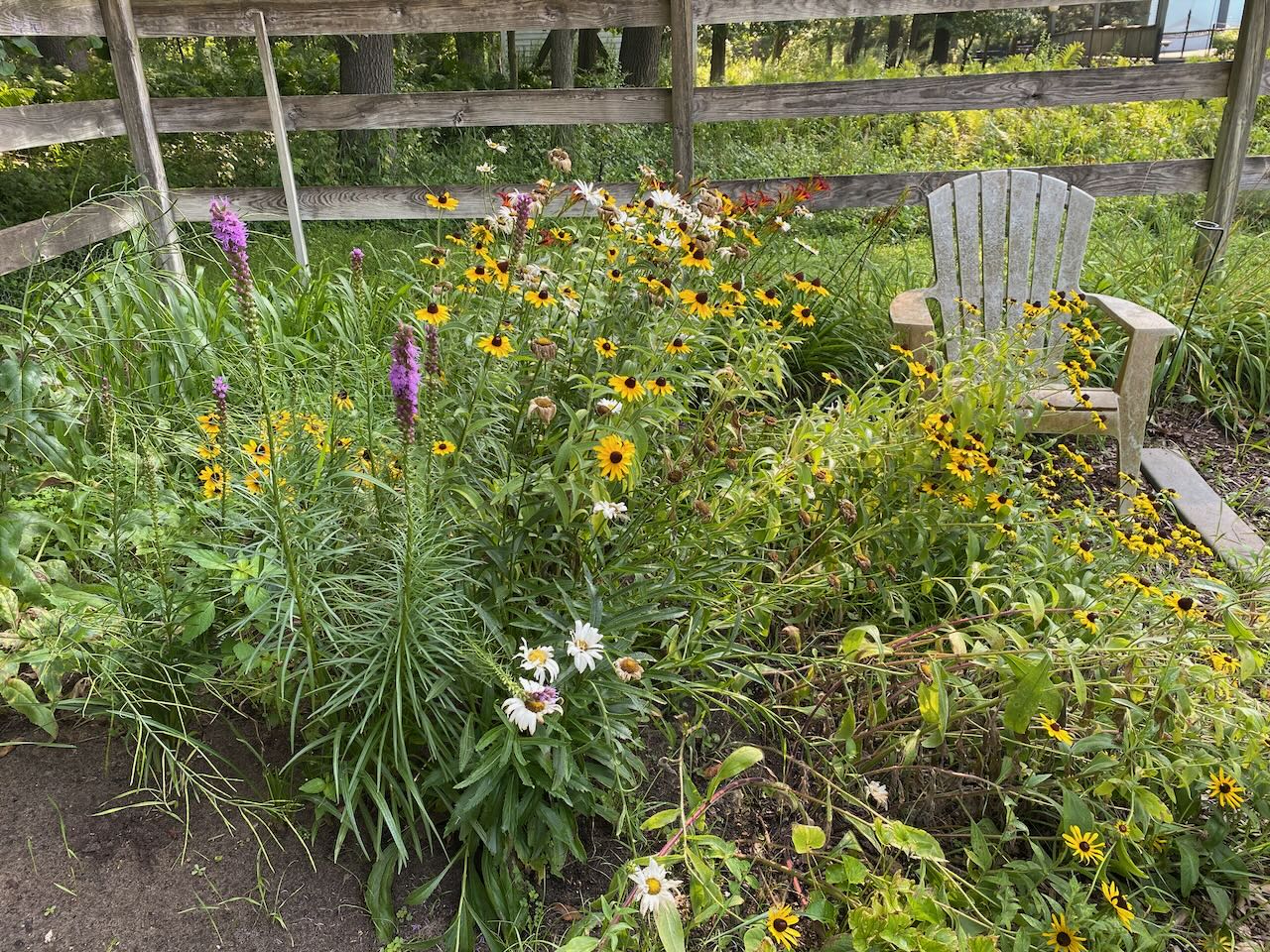








 I was puttering at my garden bench when I noticed a lot of bees whizzing past me. A little inspection revealed that they were coming from – and going to – a hole in the ground, just inches from where I stood. I set a large flower pot right up next to it, not to block them but to block me, from stepping into the nest. I’d seen a ground-bee colony once before, but had never looked up their lifestyles. This time I did: Mining Bees, genus andrena.
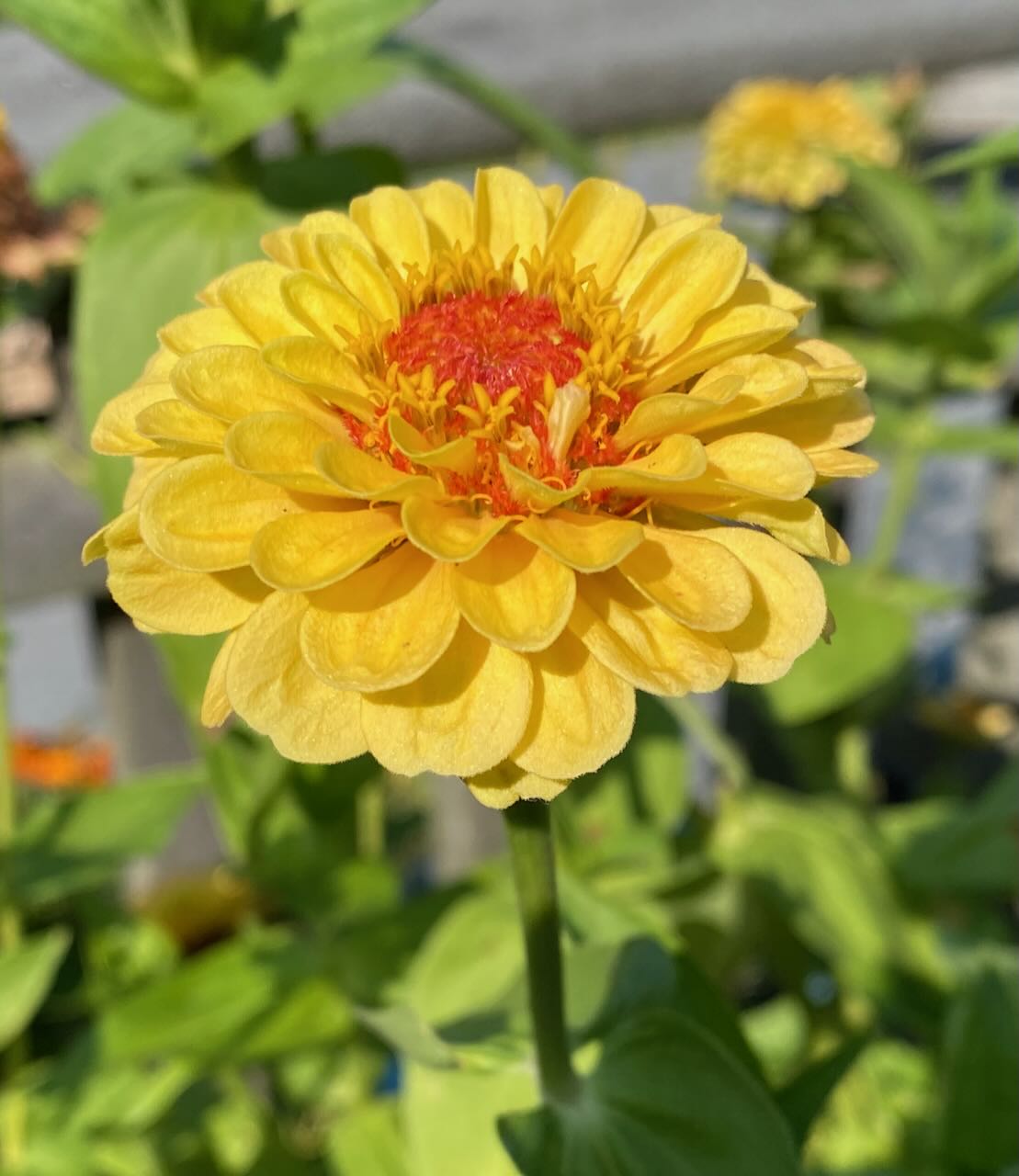 The local botanical garden says they’re important pollinators of the Michigan native black cherry tree, carrying 18 times more cherry pollen than other bees. I have several of these trees in my yard, including one that hangs over the deck and makes a total mess for a month while the cherries fall. The cherries are small with a tiny, thin layer of flesh around the pit, so you could boil them up for jelly but you can’t eat them unless you’re a chipmunk. I do like to watch how the chipmunks fight over the cherries though there are enough to feed a whole neighborhood of chipmunks, possibly for the whole winter. So human of them. It briefly occurred to me that if I got rid of the bees, maybe I’d be pestered with fewer cherries. But I find the industrious, focused little bees endearing, so that’s out. They’re also big on pollinating tomatoes – thank you, bees – but my tomato blossoms are definitely too few these days for this much bee traffic. What’s blooming now? I have lots of zinnias,
 many marigolds,
 some bee-shaped snapdragons. None of them mentioned in the article, and nope, no bees on these flowers.
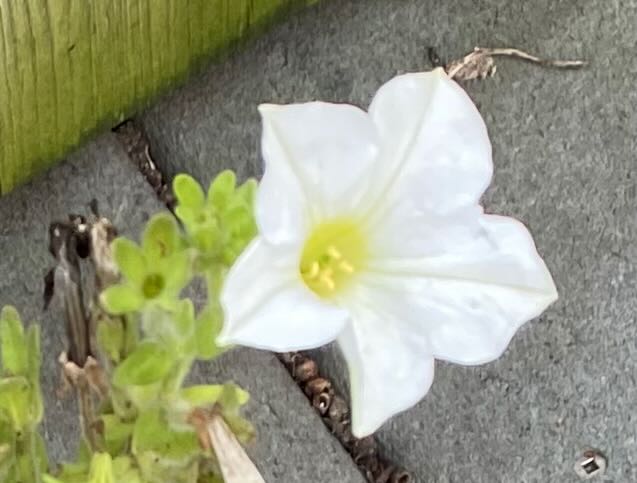
 It was hard to follow the bees in flight. They soared way up high before they traveled on, and I lost them in the sun. But scanning the yard, I thought I could see where they came down again. It wasn’t listed on the Bee Menu, but for heaven’s sake, isn’t this where you’d go if you were a bee – an Autumn Clematis, just bursting with bloom? I didn’t manage to catch them in this photo, but they were there. Busy, like all the best bees.
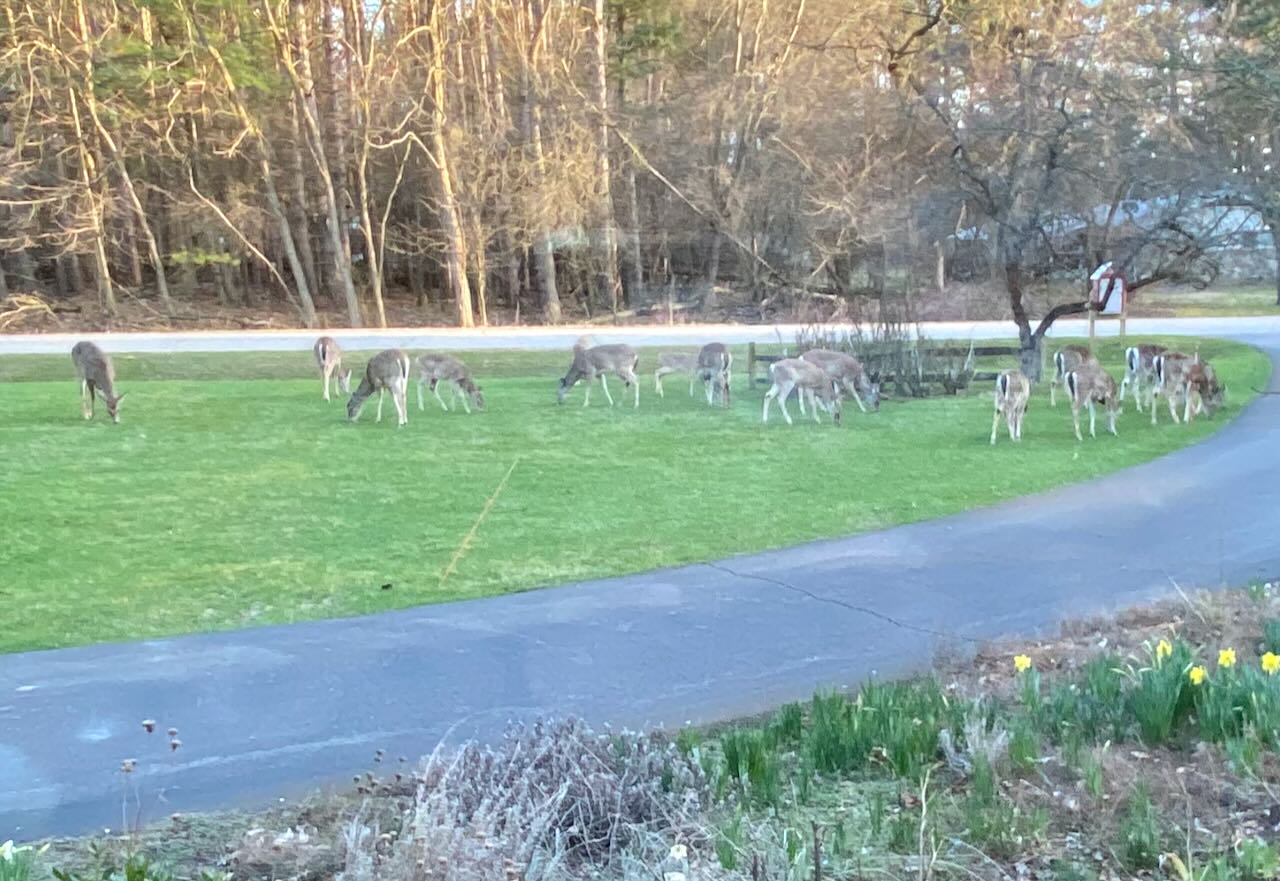
 I have a good lawn for deer and rabbits, full – if only accidentally – of diverse edible weeds. Looking out over it, especially when Charlie has just mowed, the lawn looks smooth and manicured. Appearances frequently deceive. For instance, this photo might look like a nuclear deer family, two fawns, a buck, and a doe. But four other the deer had already gone ahead into the woods before I got my camera out. The buck would have been bringing up the rear as usual, except that the fawns were lollygagging behind. But as soon as I made a tiny sound of satisfaction at getting this photo, their heads snapped up and the fawns leaped after the does, while Mr. Buck stood guard in case I made any moves. I didn’t. I was trying to see whether he was an eight point or a ten point, but he was gone before I could be sure.
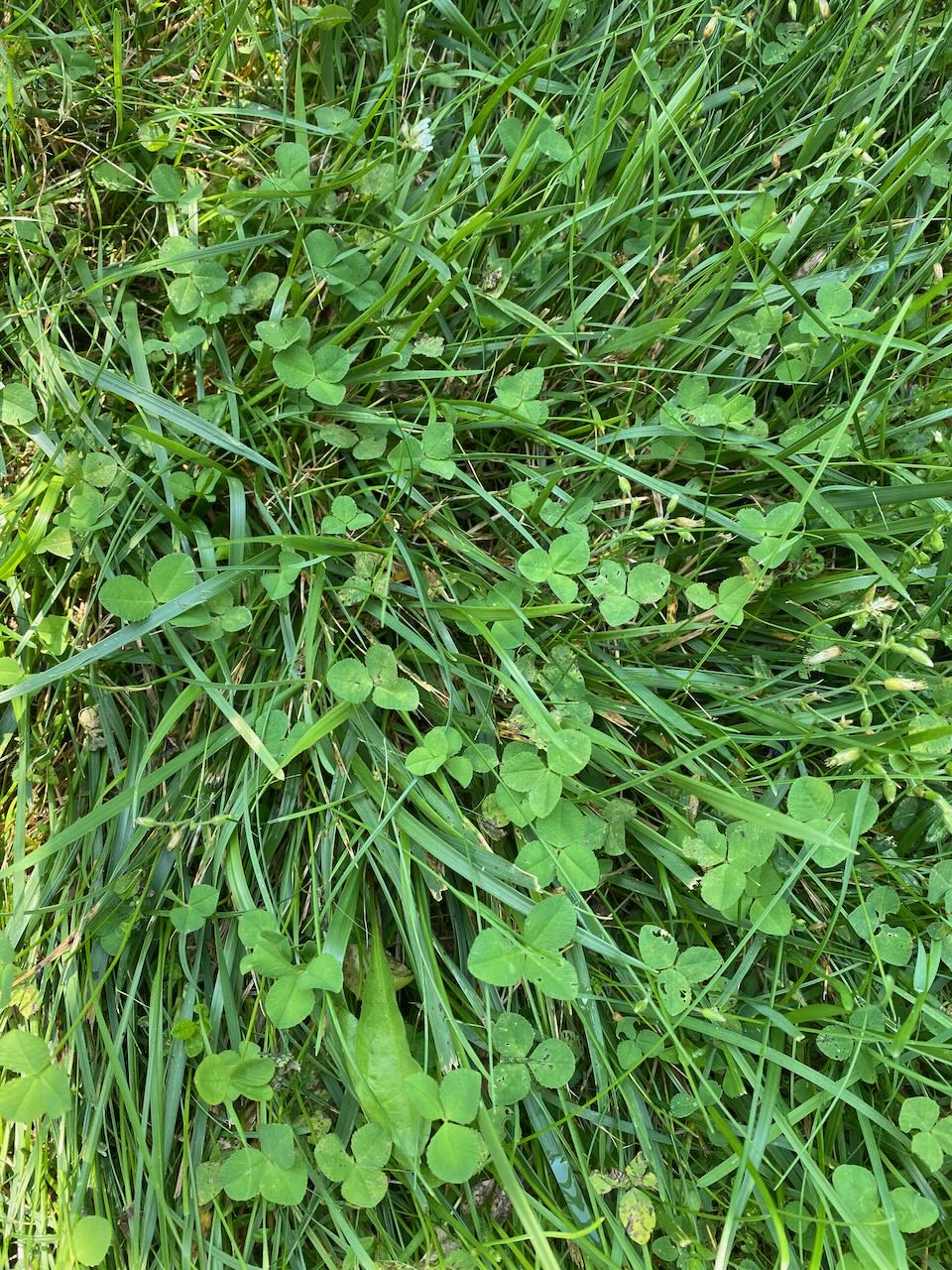 My lawn has a lot of white clover in it, which some consider a weed but I do not. In my suburban childhood it was common for lawns to be seeded with half grass and half clover. Clover is sturdy, holding up well to children and pets; clover fixes nitrogen so you don’t need fertilizer; and clover flowers attract bees, which will pollinate your garden plants and fruit trees. Charlie was late mowing this week, because we had two days of Hurricane Beryl’s leftovers drenching Michigan with rain. Amazing that a hurricane came all the way from Africa to crash into Texas and charge up the Mississippi and Ohio River valleys to the normally hurricane-free Michigan. Many were the frantic sump pumps in Ann Arbor, but the sandy soil of my yard was up to the task. When it was over, everything was safe and green, green, green.
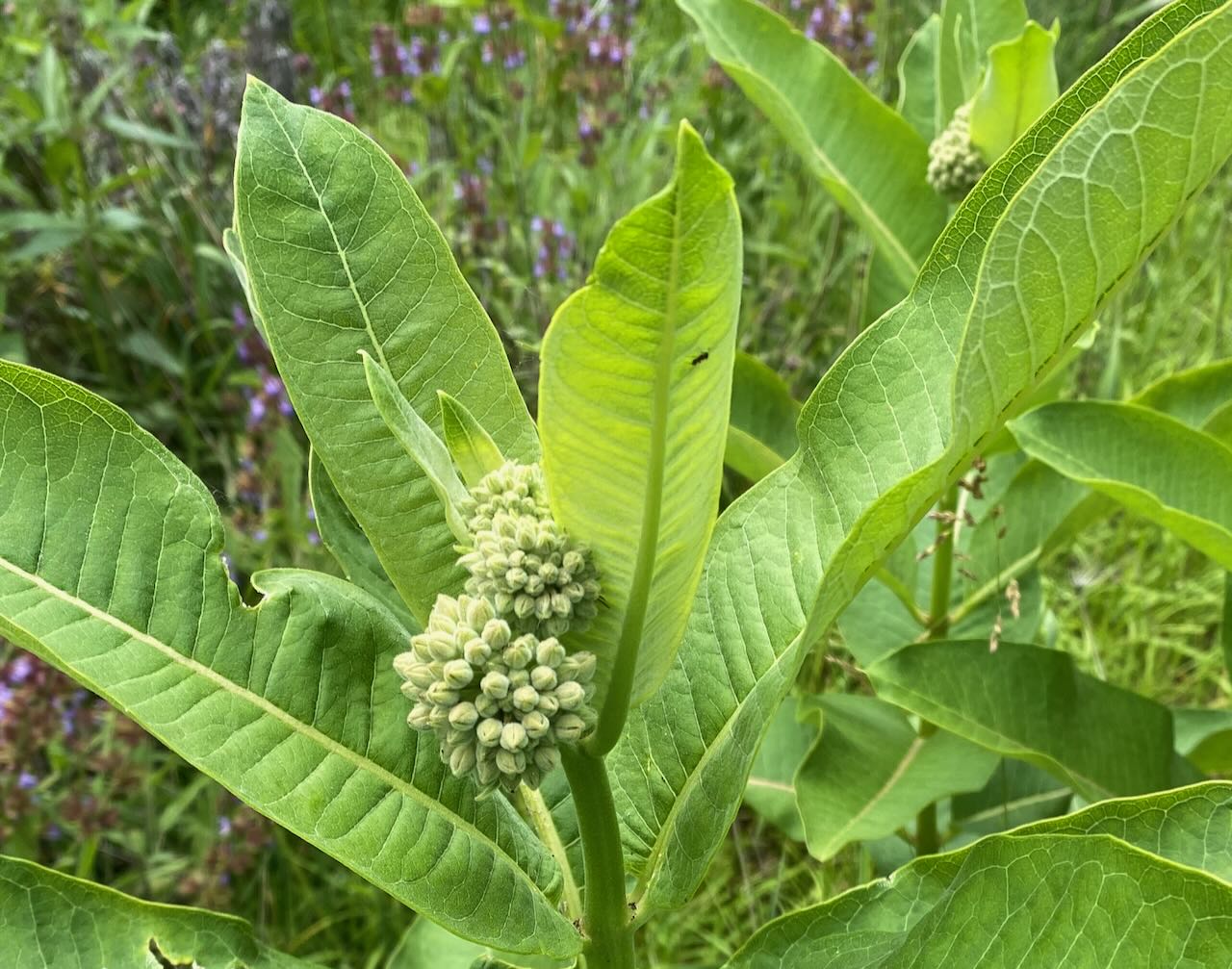
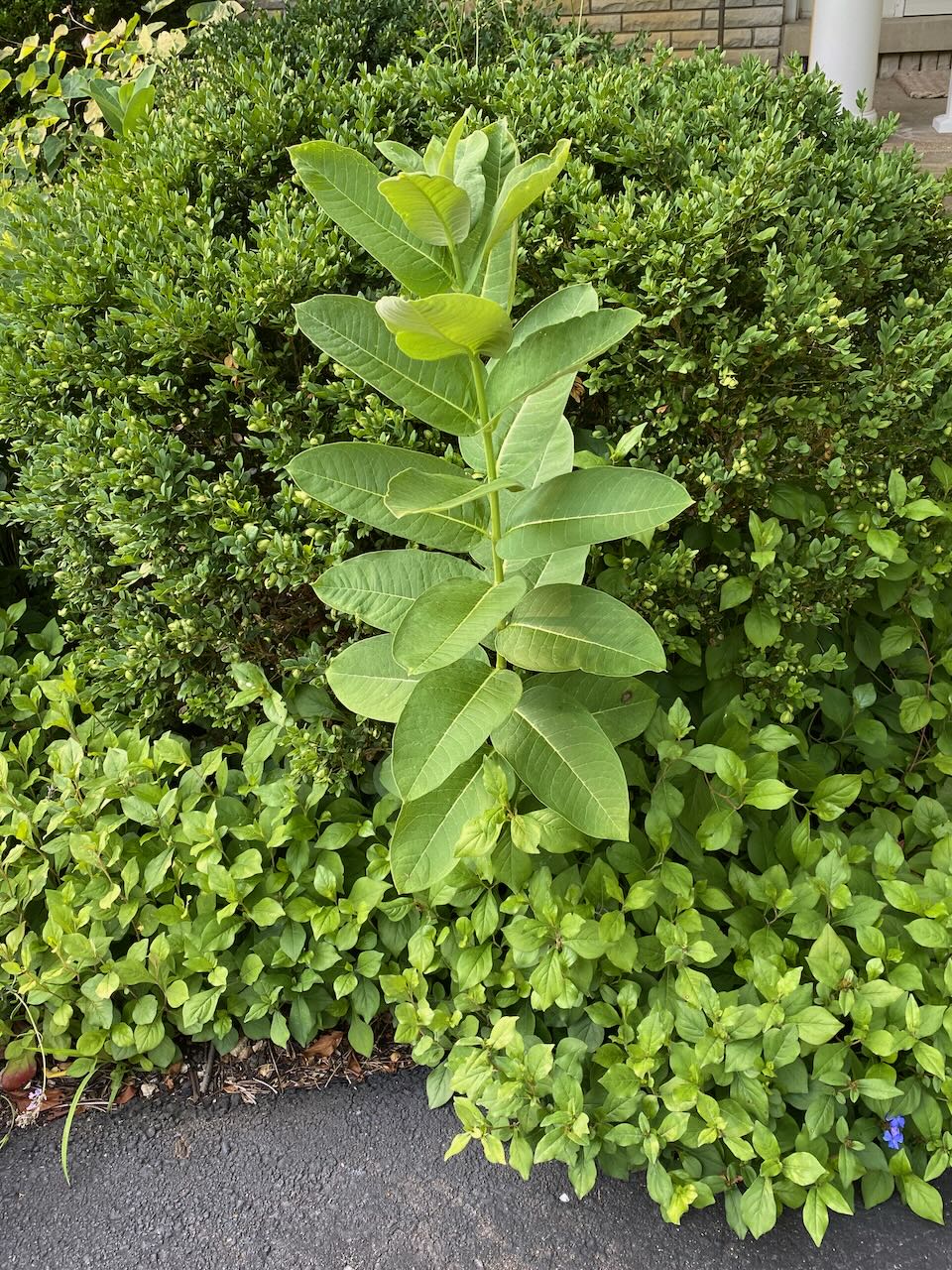 Besides the clover, there’s plantain in the lawn and purslane at the margins. Plantain, native to Europe, was called “white man’s footprint” by Native Americans: where the white man set his foot was where you found plantain. It’s not only edible to deer, it’s edible to us. Purslane is, too. My attempts to actually eat these plants have never worked out. Purslane leaves are small and have to be gathered in large quantities, and I found plantain, which grows flat against the ground, hard to clean. I magnanimously leave them for the deer, in spite of which they persist in eating things they really, really shouldn’t. For instance, milkweed. Milkweed is poisonous, but if you are a clueless fawn, well, just look at those big, juicy leaves. I assume it’s the fawns because I assume they don’t grow up if they eat the milkweed.
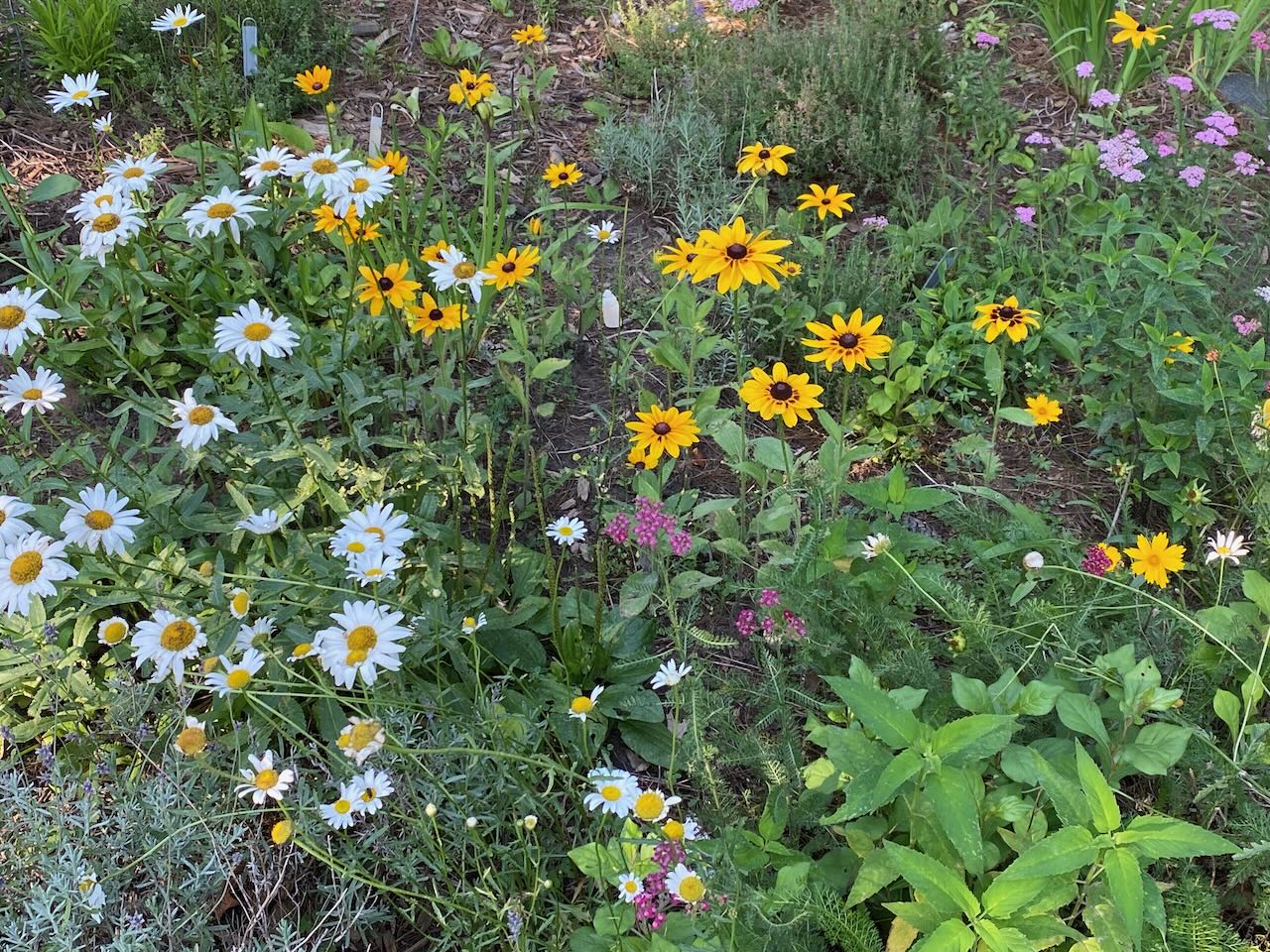 Deer sometimes also eat my rudbeckia, yarrow, and shasta daisies. Garden catalogs will tell you they shun these plants, but garden catalogs have never met my deer. Every evening or two, I walk through the yard with my trusty spray bottles of animal repellants, switching off now and then so the critters don’t get used to one of them. I almost dread to say so, for fear it will jinx their effectiveness.
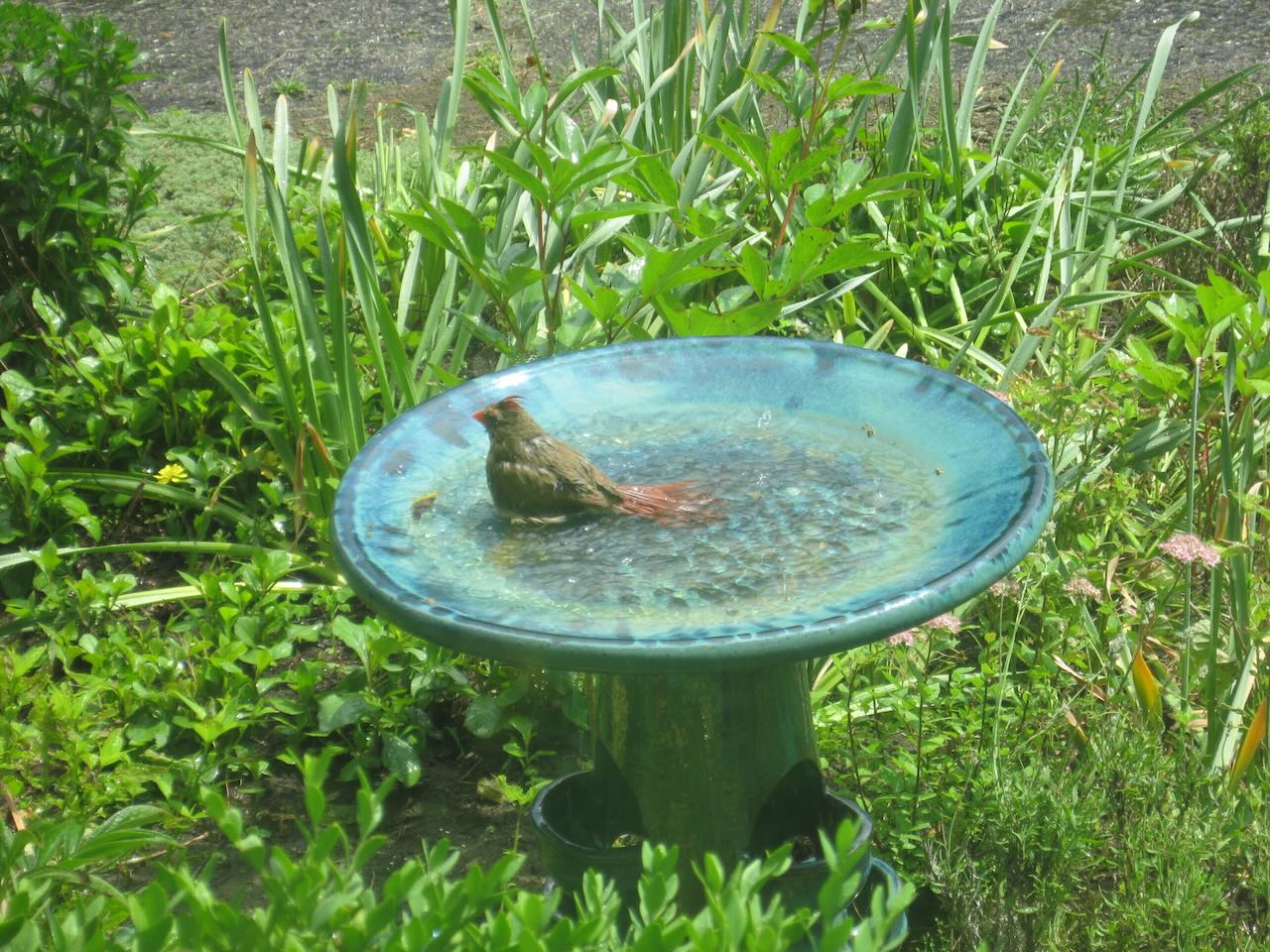 The amount of rain in that storm varied a lot from one part of town to the next. I don’t currently have a working rain gauge, but friends and neighbors have measured anywhere from five to seven inches over two days. One curious thing I’ve noticed is more birds using the birdbath after a rainstorm. This seems totally counter-intuitive to me. Didn’t they shower in the rain? Is it easier to bathe when they’re already wet? Or maybe newly-fallen rain is more attractive to them than water that’s been sitting around for a few days. Not being a bird, I will never know.
 Robin Richstone