Fire and Ice

In many folk traditions, fire is called the Trickster: the hearth, the center of the home, comfort, warmth, hypnotic calm looking into flames in a fireplace; keep the home-fires burning. Then one day fire, our friend, our helper, pushes, wild against the boundaries we’ve set for it, and destroys everything. Fire, the magical, reassuring transformation of wood into heat, suddenly ravenous, turns our familiar, substantial surroundings into wind and ash. My friends, my former neighbors in Altadena are sifting through that ruin now. 
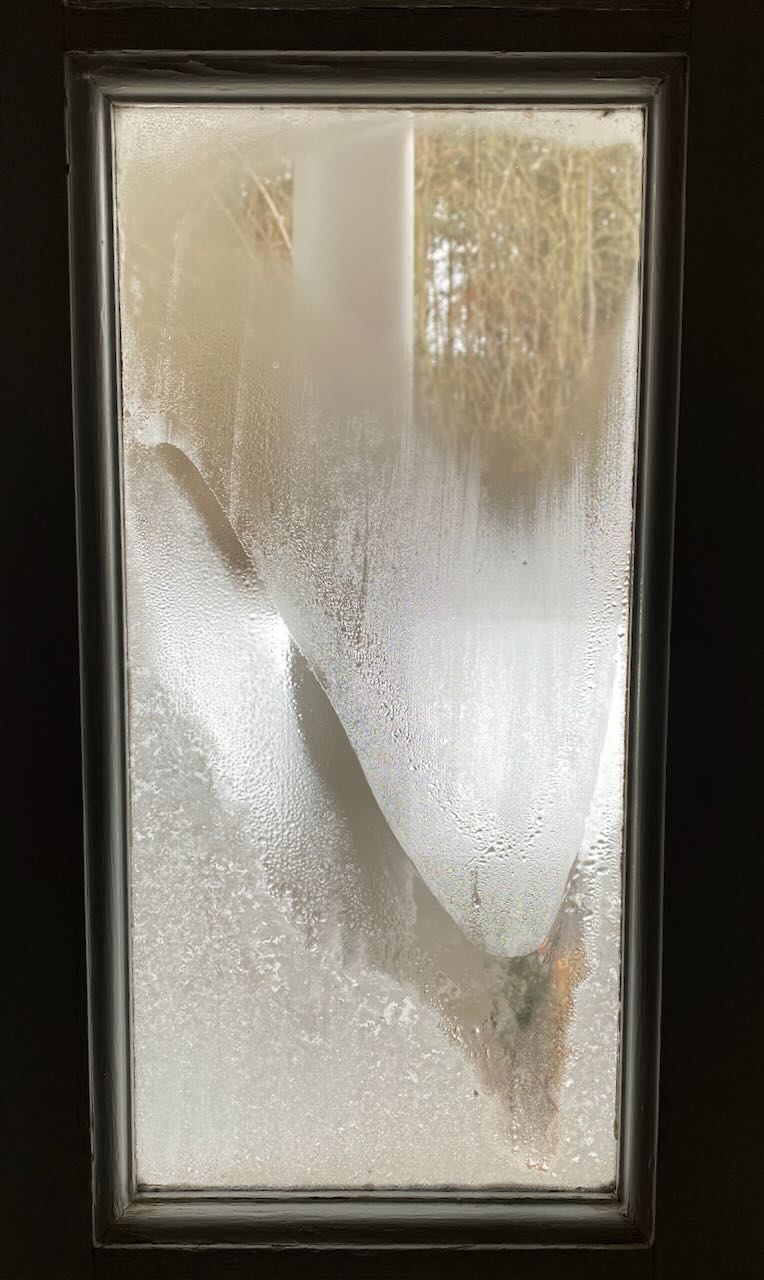
Here in Ann Arbor, most of a continent away, warm air from the captive, well-behaving fire in my furnace breaks against the frozen cold of a single-pane glass window, and paints it with a streaky coat of ice. On the inside. As many times as Doug has explained the physics of this to me, it still feels astonishing that heat, essentially fire, can do this.

This little window sits alongside the front door. On the other side of that door is winter, not a very snowy one yet, but very cold. I sweep the snow off the porch steps, since otherwise people walking on them emboss footprint-shaped ice patches into the surface, slippery and hard to scrape off. Another mystery of physics: mini-glaciers created by human weight and shoe leather. Or whatever bootsoles are made of these days.

The deer are in the backyard this morning. They circulate around my sleeping garden, breaking through snow and ice with their sharp hooves to get at whatever it is they’re eating. There’s much less of it now, yet they bunch themselves into herds of twelve or fourteen in winter, presumably to share body heat. They have no fire. Is there any animal other than humankind that uses fire? That thought to catch a piece of wildfire and bring it home, to bank it up, to keep it going, to restart it when it failed? To stop it when it over-reached? How brave that first user of fire was, persevering as everyone else ran for their lives. I was going to say it took a long time to learn to control it, but maybe we aren’t there yet. The brave people now are those who come running at need to put it out.
What Would You Take With You

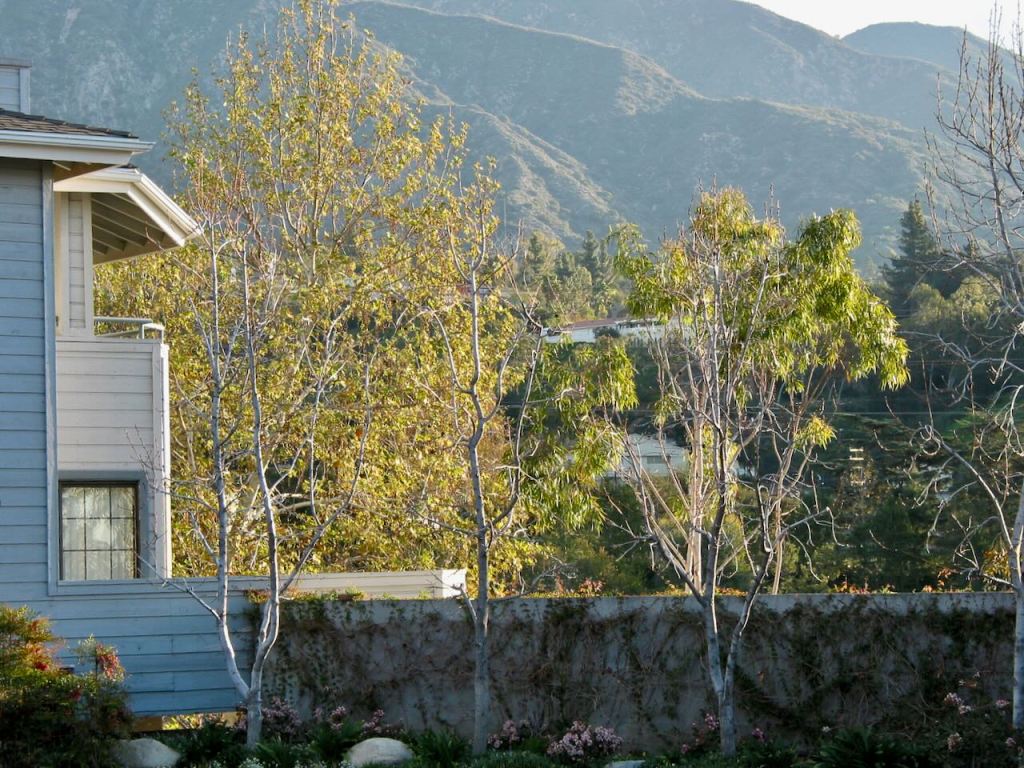
When I lived in Altadena, no one in the rest of the country had heard of it. Uphill from Pasadena, just like it sounds, it sits on the skirt-hems of those mountains that backdrop the Rose Parade, comfortably anonymous. It was anonymous as usual this year on New Year’s Day; one week later wildfires called Altadena’s name. The whole country’s heard of it now.

So here’s my question: you have to evacuate under “immediate threat to life.” What do you take with you? Would you have a better list if you thought it through ahead of time, or would facing the moment of truth give you clarity, and focus? Official lists of what to take feature things like birth certificates, marriage certificates, title deeds, and insurance documents. Really? My entire desk does not fit in my car, and surely these things are replaceable. An extremely organized person might have them all in one big envelope, or maybe have photos of them all on their phone. Too late now.

Clothing, though replaceable, is on the list since it’s an immediate need. My friend Jean once told me of a time when she faced an evacuation “warning,” which means there’s more time. She went to her children’s closets and pulled out clothing for them; went to her husband’s closet and pulled out clothing for him; then went to her own closet, took a look, said “Nah,” and closed the door. I greatly respect her ability to see opportunity in the prospect of loss. She did not, in fact, have to evacuate. I always hoped she went out and bought some new clothes anyway.

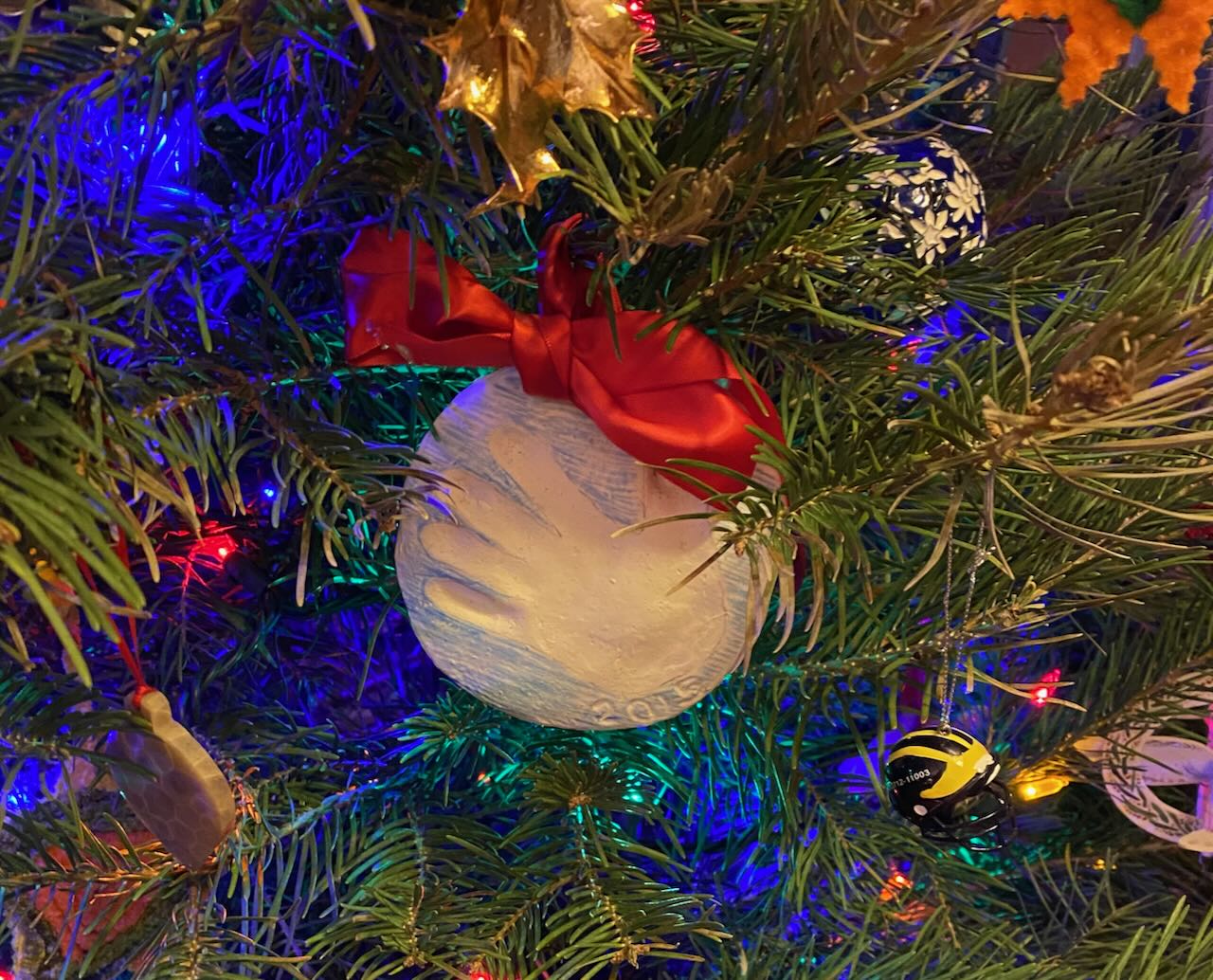
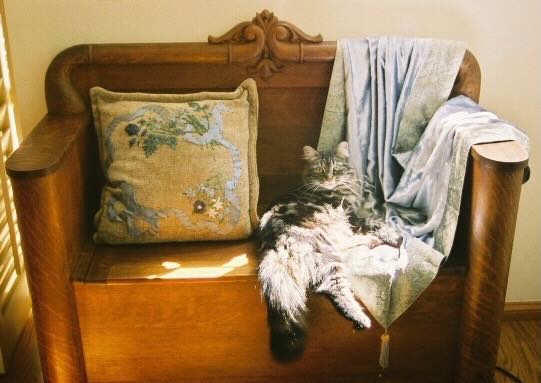
But what about the irreplaceable? People sometimes make the error of assuming that, since I’m a poet, I don’t value material things. Wrong. Poets love things. Keats wrote “A thing of beauty is a joy forever.” Williams wrote “no ideas but in things.” Pablo Neruda, an avowed communist, wrote odes – scads of odes – to material things. He loved them he said, for “the trace of someone’s fingers/ on their handle or surface.” The Christmas ornaments my children made when they were small; the quilts my grandmother made for me; the antique windowseat my father and I refinished together when I was a teenager: irreplaceable. They are safe with me here, in Ann Arbor, but I can only imagine how it would feel to lose them in ash and chaos. “Evacuate” has in it the root for vacuum: empty. Let’s hope the time comes soon when Altadena fills itself back up, and returns to anonymity.