
Our first frost happened a couple of nights ago, drawing a map of hardiness, protection, and resilience across the garden. The hardy perennials, like these asters, didn’t notice, originating as they do in climates that reward ability to cope with winter. Tender annuals, like my basil and tomatoes, withered and keeled over. I had already brought into the house several pots of basil and all the green tomatoes still on the vine, in anticipation of this. These are plants whose ancestors never met with winter weather, and had no need to adapt to it.
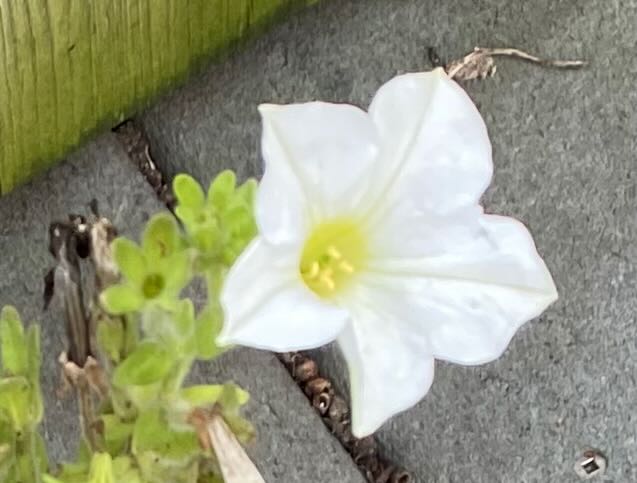
Then there are hardy annuals, like petunias. They can resist the kind of winters we had in Southern California, which did sometimes include a light frost in late December. They seem to be familiar with this and will persevere through it, but when the hard, serious frost comes, they succumb. Marigolds and pansies are also in this category. Okay, so far all is neat and clear in the life cycles of my garden plants.

But then we have this scenario from the way back of the garden. Marigolds, check, still abloom as expected. But there’s that cosmos standing tall and happy, while all the other cosmos in the garden is dead. Sort of looks like the marigolds talked them into it. Good story, but the reality is different. There’s a tall black cherry tree just outside the picture, leaning over the garden fence enough to shelter the cosmos from the sky. The same thing that makes this part of the garden too shady for plants like tomatoes, expected to ripen fruit, offers protection from light frost.

So the resilience a plant shows in the face of frost can be inborn, or it can be situational. It’s the job of the gardener to situate the plant where it can have its best outcome. Here’s some milkweed in process of its best outcome, which is not the propagation of Monarch butterflies, but the launching of its frothy seeds into chilly autumn air that carries them into the future.
 Robin Richstone